Nakalama John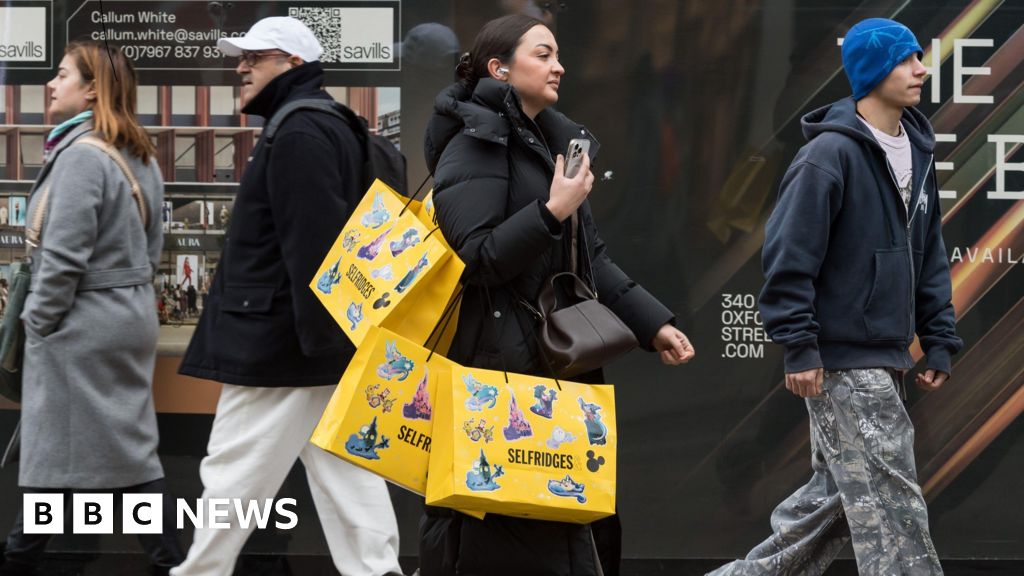
By 3pm on Boxing Day, preliminary data from MRI Software revealed a noticeable decline in physical retail activity across the UK. Visits to high streets were down 1.5% compared to 2024, signaling a persistent reluctance among consumers to brave the crowds and often unpredictable weather for in-person deals. Shopping centres, traditionally bustling hubs for post-Christmas bargain hunters, also experienced a 0.6% fall in footfall, indicating that even larger, more diverse retail environments are struggling to attract the crowds they once did.
In contrast, retail parks offered a glimmer of relative resilience, recording a 6.7% increase in visitors compared with the previous year. This slight uptick, however, was not substantial enough to offset the declines elsewhere, preventing an overall or significant bump in total physical retail visitors across the country. The appeal of retail parks often lies in their accessibility, ample parking, and a focus on larger, destination stores such as home improvement outlets or electronics retailers, which may still draw a specific segment of shoppers post-Christmas.
Economists and retail analysts had already predicted a challenging period. Barclays, a key observer of consumer spending trends, had forecasted a total spend of £3.6bn during the Boxing Day sales period, a considerable drop from the £4.6bn they had anticipated for the sales in 2024. This downward revision underscores a broader sentiment of caution among consumers, with fewer individuals planning to actively participate in bargain hunting this year. Moreover, even the amount spent online, which has historically been a growth area, was predicted to fall, suggesting a comprehensive tightening of belts across all retail channels.
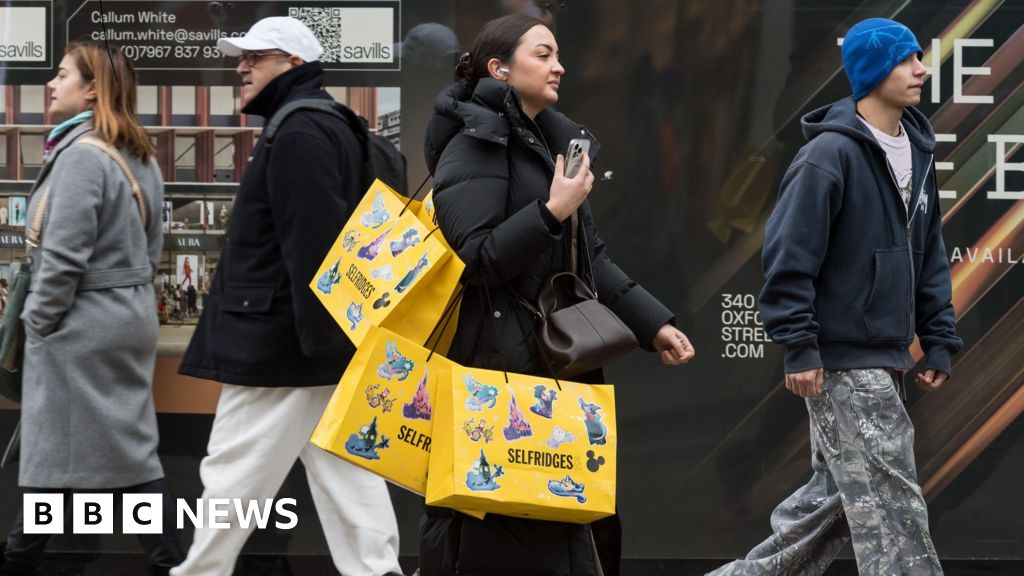
These figures strongly indicate that while people are still engaging in some form of post-Christmas shopping, the Boxing Day sales are no longer the monumental event they once were, characterized by dawn queues and frenzied shopping sprees. The Barclays consumer spend report, despite the overall gloom, did highlight one intriguing anomaly: those consumers who do plan to shop have upped their individual budgets by an average of £17 compared with last year. However, this increase in individual intent is overshadowed by a much smaller pool of participants, leading to the overall forecast of less aggregate spending this year.
Karen Johnson, Head of Retail at Barclays, articulated the underlying economic pressures influencing consumer behaviour. "Shoppers have been remarkably cost-conscious throughout the entire year," she noted. "This disciplined approach to spending is not only likely to persist but intensify during the Boxing Day sales, as households prioritize essential expenditures and delay discretionary purchases amidst ongoing economic uncertainty." This sentiment reflects a sustained period of high inflation and a broader cost-of-living crisis that has reshaped household budgeting.
Adding to the complexity of the retail landscape, a shopper from Glasgow offered a perspective that, while anecdotal, resonated with the observed trend of a quieter shopping day. She expressed a preference for the "subdued atmosphere" over the traditional chaos. "Everybody’s taking it at their own pace, it’s a more enjoyable experience shopping on Boxing Day, I think," she told the BBC. This shift from high-pressure bargain hunting to a more relaxed browsing experience might appeal to some, but it certainly doesn’t translate into the significant sales volumes retailers once relied upon.
The diminishing allure of Boxing Day has also influenced retailer strategies, with several major brands opting to keep their doors closed on 26th December. High-profile names such as Next, John Lewis, Poundland, Wickes, and Iceland were among those prioritizing staff welfare and recognizing the changing consumer appetite. This decision by large chains is a telling sign that the perceived commercial benefits of opening on Boxing Day are increasingly being outweighed by operational costs, staffing challenges, and the understanding that many consumers are either shopping online or simply not participating. It also reflects a growing social awareness regarding the importance of giving employees a proper break during the festive period.

Another Glasgow shopper, interviewed amidst the less crowded streets, confessed that his annual outing was primarily driven by family tradition rather than an urgent need for bargains. "It’s definitely a lot quieter than usual," he observed, though he did note one exception: "Lush did have a big, massive queue this year." This anecdote highlights that while general footfall is down, specific, niche retailers, perhaps those offering unique post-Christmas deals or popular gift sets, can still draw significant attention, indicating a selective rather than widespread engagement with the sales.
Diane Wehrle, chief executive of Rendle Intelligence and Insights, provided a macro-economic context for the current retail climate. She described 2025 as having been a "challenging year for many people," underscoring the pervasive impact of economic instability on consumer confidence. "In the run up to Christmas, consumers have really pulled back on spending because they were very nervous, particularly pre-Budget in November," she explained to the BBC. This pre-emptive caution, driven by anticipation of economic policy announcements, likely led to delayed or reduced spending in the crucial weeks leading up to the festive period.
Chancellor Rachel Reeves’ budget, announced in November, further compounded these anxieties. The budget included projections of up to £26bn in tax rises by 2029-30, which, according to the Office for Budget Responsibility (OBR), will push the UK’s tax take to an all-time high of 38% of national income in 2030-31. Such announcements mean a further squeeze on already strained household budgets, as disposable incomes are set to shrink. This fiscal tightening occurs in an environment where inflation – the rate at which prices rise – remains stubbornly high, even if it has receded from the peaks seen in recent years. The persistent erosion of purchasing power makes consumers naturally more hesitant to spend on non-essential items, even during sales events.
For businesses, the economic headwinds are equally challenging. Employers are grappling with higher operating costs, driven by increased minimum wage expenses and National Insurance contributions, both of which were announced in previous fiscal statements. These elevated costs, set against a backdrop of sluggish economic growth, mean that retailers are facing a difficult balancing act: needing to attract sales to cover rising expenses, yet encountering consumers who are increasingly cautious and less willing to spend.

Further evidence of restrained consumer spending comes from separate festive data provided by Visa. Their analysis of the run-up to Christmas indicated that overall spending was only marginally up compared to the same period last year. While there was a notable 8.4% increase in spending on electronics, suggesting a targeted approach to purchasing specific high-value items, this was not enough to signal a widespread spending spree across all retail categories.
Official retail spending data from the Office for National Statistics for November also painted a picture of consumer restraint. This data indicated that many shoppers resisted the traditional allure of Black Friday discounts and the early start of Christmas sales campaigns. This resistance suggests a growing sophistication among consumers, who are perhaps less susceptible to early promotional tactics and more inclined to wait for genuinely significant price reductions, or simply to spend less overall.
Ms Wehrle concluded by summarizing the long-term trend, stating that the extension of pre-Christmas discounting – exemplified by events like Black Friday, Cyber Monday, and early December sales – coupled with the relentless boom in online shopping, has meant that Boxing Day sales "have really become less important" over the last few years. This fundamental shift effectively cannibalizes the traditional Boxing Day rush, distributing sales across a longer period and fundamentally altering the landscape of post-Christmas retail. The once-iconic sales event is now just one more date in a crowded calendar of promotions, struggling to distinguish itself in an increasingly digital and cost-conscious retail environment. The future of Boxing Day sales seems destined for further evolution, with physical stores likely continuing to adapt to lower footfall and consumers maintaining their cautious, strategic approach to spending.



 Roy Suryo
 Nana Banana
 atisusanti
 George Anjay