Roy Suryo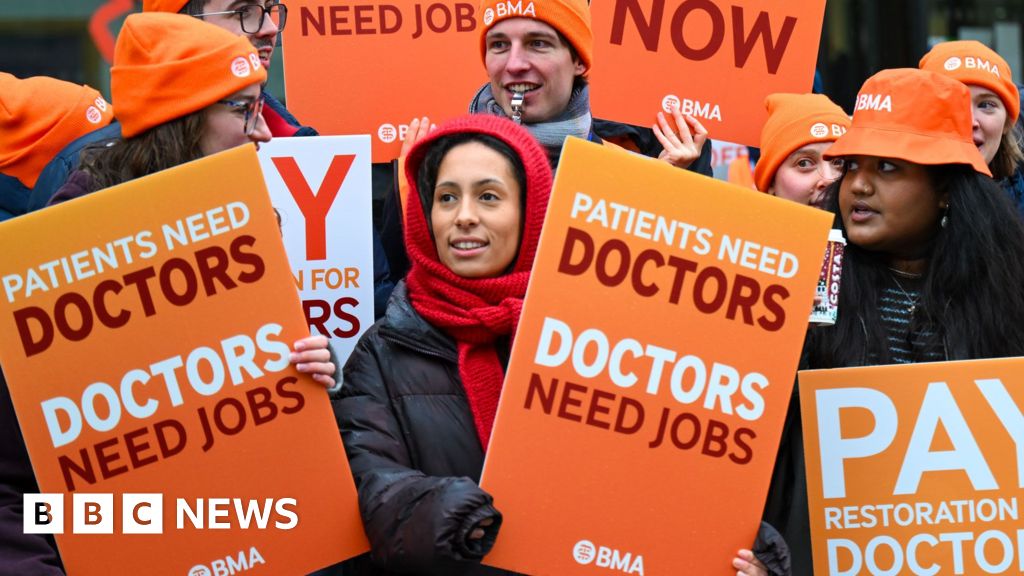
The strike, which commenced on December 17, 2025, unfolded against a backdrop of escalating flu cases, a challenging period for any healthcare system. Despite intensive, last-minute negotiations between the British Medical Association (BMA), representing the striking doctors, and the government, a resolution remained elusive. The core of the dispute lies in ongoing pay disagreements, with BMA members overwhelmingly rejecting a recent government offer that was intended to address concerns regarding training pathways and job security. The offer, however, failed to satisfy the doctors’ demands for a substantial restoration of their real-term pay.
Health Secretary Wes Streeting has expressed a strong desire to see the dispute resolved before the turn of the new year, signalling a potential opening for renewed dialogue. Dr. Jack Fletcher, the chairman of the resident doctors’ committee at the BMA, echoed this sentiment, affirming the union’s eagerness to engage constructively with Mr. Streeting. "2026 must see less name-calling and more deal-making," Dr. Fletcher stated, emphasizing the urgent need for tangible solutions. "What we need is a proper fix to this jobs crisis and a credible path towards restoring the lost value of the profession." He further elaborated that this would necessitate the creation of "genuinely new jobs" and could involve a "responsible multi-year approach to restoring doctors’ pay."
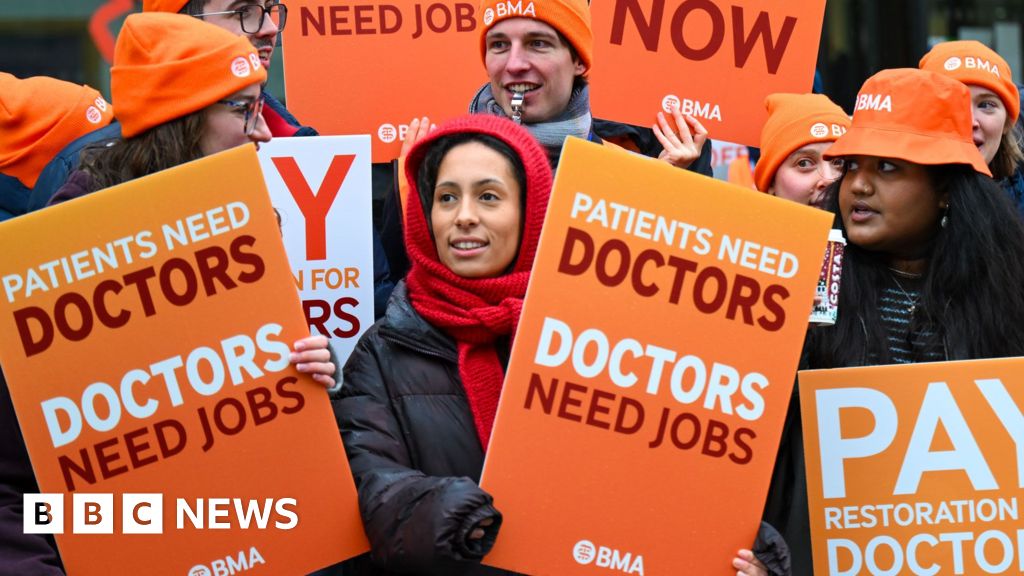
The BMA reported a high level of engagement in the strike, with an estimated 65% of its members participating. This five-day walkout marked the fourteenth industrial action taken by resident doctors in England since March 2023, highlighting the persistent nature of the dispute. The union’s central argument is that resident doctors’ pay has been eroded by inflation, resulting in their current earnings being approximately 20% lower than they were in 2008. This year, they received an average pay increase of 5.4%, an increment that the BMA deemed insufficient to address the significant pay deficit.
During a visit to an ambulance station in London just prior to the strike, Health Secretary Wes Streeting articulated his commitment to ending the ongoing industrial action. "I do want to end this dispute," he remarked. "I don’t want us to be locked in a bitter dispute, and I’m never going to shut the door to talks, and I will do my best to see if we can start 2026 off on a better foot." However, Mr. Streeting also outlined the government’s financial constraints, noting that the BMA’s demand for an additional 26% on top of the existing offer was "not a figure that we can afford." Despite this, he confirmed that the government would "get around the table with them again in the new year," indicating a willingness to continue negotiations.
The repercussions of the strike are anticipated to extend well into the new year and potentially beyond, according to health experts. Louise Stead, Group Chief Executive of Ashford and St Peter’s and Royal Surrey NHS Foundation Trusts, shared her perspective on BBC Radio 4’s Today Programme, detailing the intensive efforts underway in hospitals. "After five days we have got a lot of very exhausted senior doctors who we now want to pivot into making sure we get patients out for Christmas and reduce our bed occupancy," she explained. The focus has shifted to safely discharging as many patients as possible to alleviate pressure on hospital beds, a critical task as the festive season approaches.
The industrial action also drew strong criticism from the political sphere. Prime Minister Sir Keir Starmer unequivocally condemned the walkout as "dangerous and utterly irresponsible," particularly given the record-breaking flu season already straining NHS resources. Throughout the strike, the BMA maintained that it would collaborate with NHS management to ensure the safety and continuity of critical care services, a pledge that helped to mitigate some of the most severe patient risks.
In parallel with the strike in England, the surge in flu cases, while a cause for concern, showed signs of slowing. On Friday, the BBC reported that just over 3,000 patients were hospitalized in England with the virus, a figure that, while significant, indicated a potential peak may have been reached. However, the NHS remains on high alert, mindful of the ongoing strain on its services.
The dispute over doctors’ pay and working conditions is not confined to England. In Scotland, resident doctors are scheduled to embark on their own strike action from January 13 to January 17. This forthcoming walkout will be a historic moment, marking the first national strike by NHS workers in Scotland, underscoring the widespread discontent within the medical profession across the United Kingdom. The ongoing industrial actions highlight a deep-seated crisis in the healthcare sector, driven by years of real-terms pay decline and concerns over staffing levels and training opportunities. As the year draws to a close, the focus shifts to the potential for a renewed and more productive dialogue in the new year, with the hope of finding a sustainable resolution that benefits both the doctors and the patients they serve. The BMA’s insistence on a substantial pay restoration and the government’s budgetary limitations present a complex challenge, requiring innovative solutions and a commitment to rebuilding trust between the profession and the policymakers. The coming months will be crucial in determining the future of the NHS and its ability to attract and retain the medical talent it desperately needs.



 atisusanti
 Nakalama John
 Nana Banana