Ramos Leo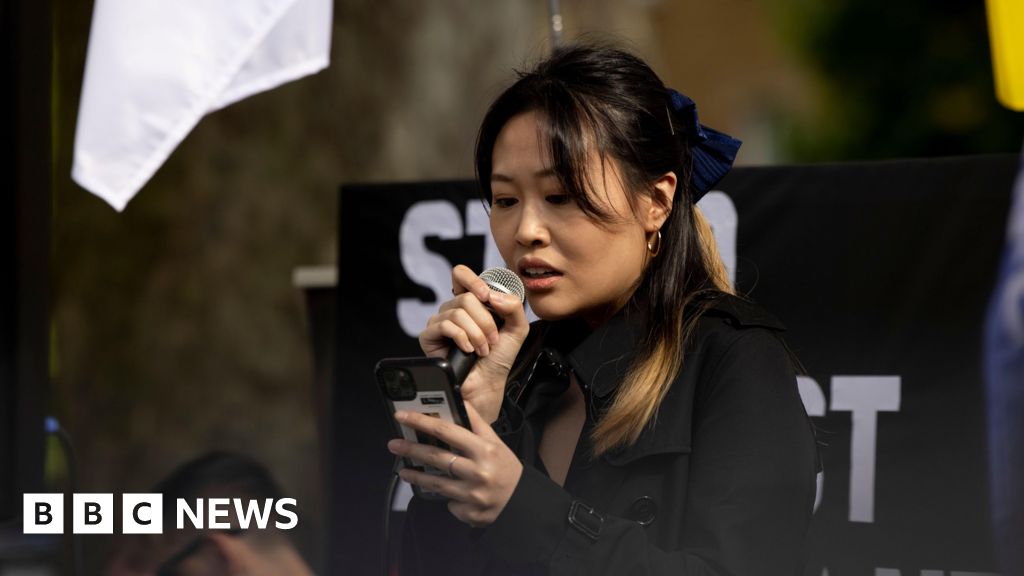
Damian Grammaticas, Political Correspondent
A prominent Hong Kong pro-democracy activist residing in the United Kingdom has been subjected to a sophisticated and deeply disturbing harassment campaign, orchestrated from China and targeting her neighbours with offensive material. Carmen Lau, 30, who sought refuge in the UK four years ago after the imposition of a draconian National Security Law in her homeland, has revealed the chilling details of these attacks, which include letters containing fabricated, sexually explicit images of her, sent from mainland China to addresses in Maidenhead, Berkshire. The letters, bearing her name, depict her in compromising situations, appearing naked or in underwear, and are accompanied by offers of sexual services, clearly intended to defame and intimidate.
"The letters had a couple of very unpleasant images, AI-generated or photo-shopped, where they put my face on those images, portraying me as a sex-worker," Ms Lau told the BBC, expressing her profound shock at the escalating nature of the harassment. This latest wave of intimidation follows a previous incident last year, where up to a dozen of the same neighbours received letters, purportedly from the police in Hong Kong, offering a substantial bounty of £95,000 for anyone who would abduct Ms Lau and deliver her to the Chinese embassy in London. The most recent batch of letters, sent last month, originated from Macau, a special administrative region of China with close ties to Hong Kong.
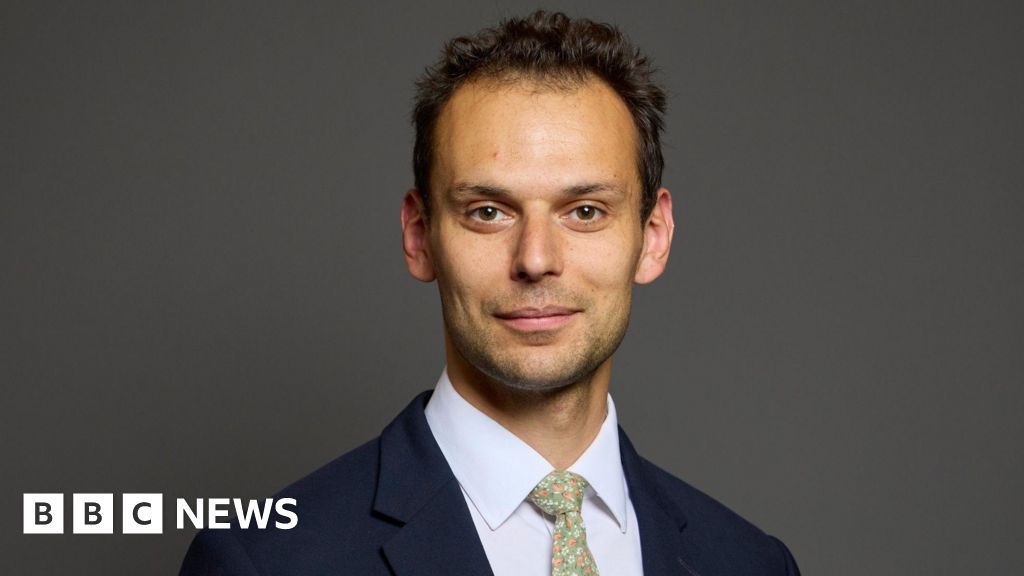
Ms Lau, who has become an increasingly vocal critic of China’s authoritarian regime since her arrival in the UK, has consistently spoken out against Beijing’s human rights abuses and has been particularly vocal in her opposition to China’s ambitious plans to construct a ‘mega embassy’ in London. She has warned that such an establishment could serve as a hub for transnational repression, enabling Beijing to extend its reach and silence its critics abroad. Her concerns were tragically validated when her local Member of Parliament, Liberal Democrat Joshua Reynolds, alerted her to the existence of the letters after being contacted by concerned constituents who had received them.
"I was quite shocked because last time it wasn’t explicit and so unpleasant to see," Ms Lau recounted, highlighting the disturbing evolution of the harassment tactics. She drew a parallel to her experiences in Hong Kong, where she observed pro-Beijing agents employing gender-based harassment as a deliberate tool to target pro-democracy activists. "When I was in Hong Kong pro-Beijing agents were trained to use gender-based harassment targeting pro-democracy activists," she explained, adding a chilling observation about the technological advancement of these tactics. "But AI technology has enhanced this sort of intimidation, it is beyond just transnational repression, as a woman it is very worrying."
The implications of these attacks extend beyond Ms Lau’s personal distress. They represent a brazen attempt by a foreign power to intimidate and silence an individual seeking sanctuary and to sow fear within a British community. Mr Reynolds, the local MP, has strongly condemned the actions and urged the government to take decisive steps. "The government need to be very clear that this is not acceptable, we cannot have these letters sent to UK residents," he stated emphatically to the BBC. "We need to find out who sent these letters," he continued, underscoring the urgent need for accountability, "and officials in Beijing need to be held accountable." Mr Reynolds has formally raised the issue with both the Home Office and the Foreign Office, seeking official intervention and a robust response from the UK government.
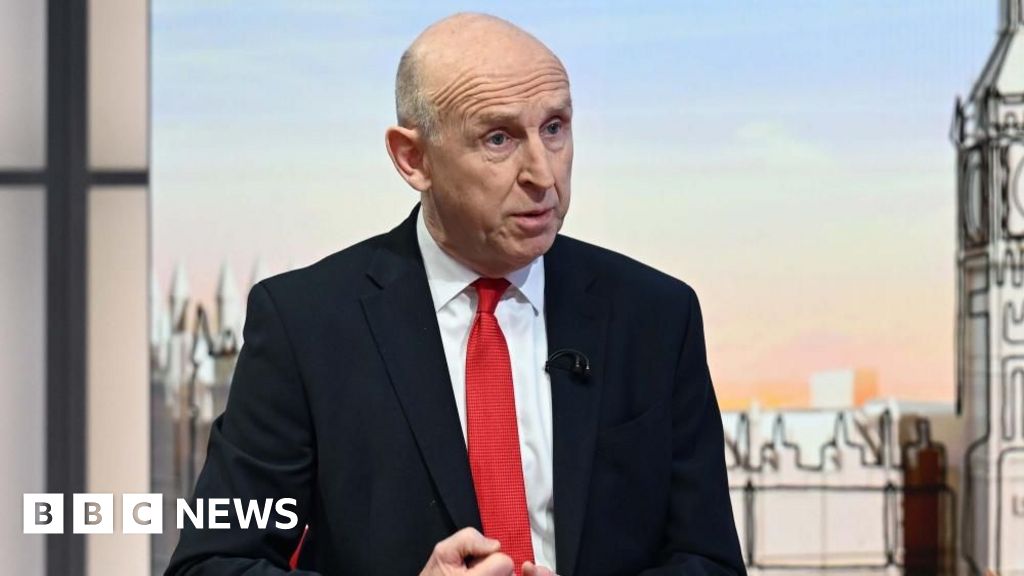
In response to the escalating concerns, a government spokesperson assured that "the safety and security of Hong Kongers in the United Kingdom is of the utmost importance." Ms Lau has confirmed that the police have acknowledged her complaint and have initiated an investigation into the matter. The British government has a track record of condemning such extraterritorial intimidation. It has previously insisted that any attempt by a foreign power to intimidate, harass, or harm individuals or communities within the UK will not be tolerated. Furthermore, the UK government has stated its commitment to raising concerns about transnational repression directly with the Chinese and Hong Kong authorities and has publicly condemned the issuance of arrest warrants and bounties by the Hong Kong Police Force.
The latest harassment campaign against Carmen Lau is a stark reminder of the persistent threats faced by exiled dissidents and the sophisticated methods employed by authoritarian regimes to extend their reach beyond their borders. The use of AI-generated imagery and the targeting of innocent neighbours underscore a calculated and malicious intent to inflict maximum psychological damage and to create a climate of fear. The British government’s commitment to investigating these incidents and holding perpetrators accountable will be crucial in demonstrating its resolve to protect those seeking refuge and to uphold democratic values in the face of transnational repression. The case highlights the complex challenges faced by democracies in confronting the evolving tactics of authoritarian states in the digital age, and the urgent need for robust international cooperation and domestic safeguards to counter such insidious forms of harassment. The sophistication and deeply personal nature of the attacks, particularly the use of sexually explicit fabricated images, represent a disturbing escalation of tactics designed not only to silence but to profoundly humiliate and discredit. This raises serious questions about the psychological toll such campaigns take on victims and the broader implications for freedom of expression and political dissent for individuals living in exile. The government’s swift and transparent investigation will be a critical test of its commitment to protecting its residents from foreign interference and upholding the fundamental rights of asylum seekers and dissidents. The international community will be watching closely to see how the UK responds to this brazen act of trans-national repression.


 Nana Banana
 atisusanti
 Nakalama John
 George Anjay