George Anjay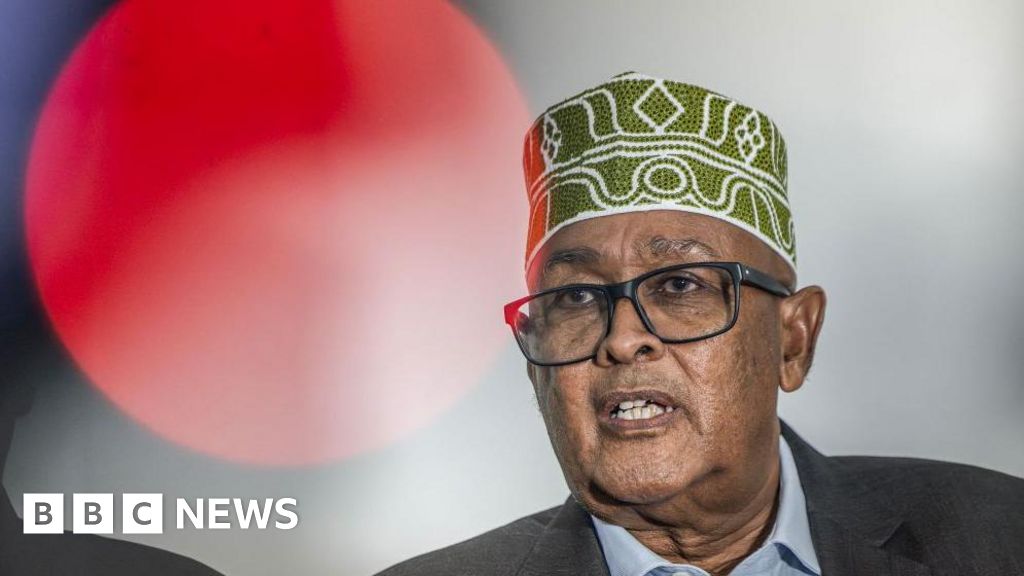
Jerusalem and Hargeisa – In a move poised to dramatically reshape the geopolitical landscape of the Horn of Africa and the Middle East, Israel has officially recognized Somaliland as an independent state, a historic declaration made by Prime Minister Benjamin Netanyahu. This landmark decision marks the first time any nation has extended formal recognition to the self-declared republic, which has sought international legitimacy for over three decades. The announcement, delivered with strategic emphasis on expanding bilateral cooperation, was met with jubilation in Hargeisa, the capital of Somaliland, and strong condemnation from Mogadishu and several regional powers.
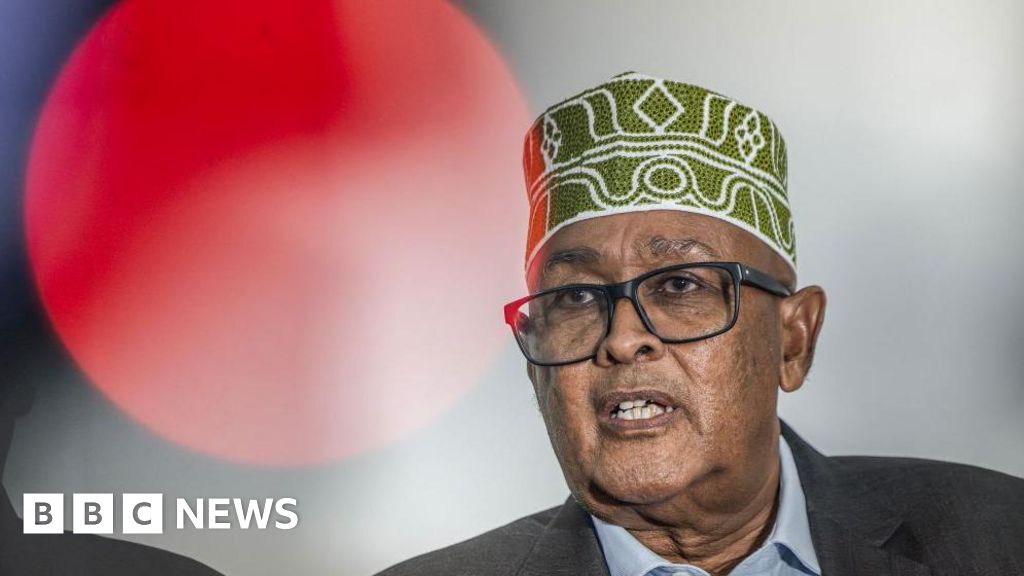
Prime Minister Netanyahu stated that Israel intends to immediately enhance collaboration with Somaliland across critical sectors, including agriculture, health, and technology. This strategic partnership aims to leverage Israel’s expertise and Somaliland’s burgeoning potential, fostering mutual growth and stability. In response, Somaliland’s President, Abdirahman Mohamed Abdullahi, hailed the development as "a historic moment," underscoring the profound significance of this international affirmation for his nation’s aspirations. The recognition by Israel, a nation with significant diplomatic and economic influence, could serve as a powerful catalyst, encouraging other countries to re-evaluate their own stances and potentially paving the way for increased diplomatic engagement and greater access to global markets for Somaliland.
President Abdullahi further announced that Somaliland would formally join the Abraham Accords, a series of normalization agreements between Israel and several Arab nations. He characterized this integration as a crucial step towards fostering regional and global peace. In his statement, he emphasized Somaliland’s unwavering commitment to cultivating robust partnerships, stimulating shared prosperity, and actively promoting stability throughout the Middle East and Africa. This alignment with the Abraham Accords signals Somaliland’s desire to be an active participant in broader regional security and economic frameworks.
The establishment of "full diplomatic ties" was further elaborated by Israeli Foreign Minister Gideon Saar, who announced on the social media platform X that the two countries had agreed to appoint ambassadors and establish embassies. He declared, "I have instructed my ministry to act immediately to institutionalise ties between the two countries across a wide range of fields." This concrete step signifies a formalization of the relationship, moving beyond mere recognition to the establishment of tangible diplomatic infrastructure.
However, this groundbreaking announcement has triggered a swift and forceful backlash from key regional players. The foreign ministers of Somalia, Egypt, Turkey, and Djibouti issued a joint statement unequivocally condemning Israel’s declaration. They collectively affirmed their "total rejection" of the Israeli announcement, emphasizing their unwavering commitment to the unity, sovereignty, and territorial integrity of Somalia. In a series of coordinated phone calls, Egypt’s foreign minister engaged with his counterparts from Somalia, Turkey, and Djibouti to discuss the implications of Israel’s move.
The joint statement issued by the four nations articulated a strong warning against unilateral actions that could destabilize the region or create "parallel entities" that undermine Somalia’s legitimate state institutions. They argued vehemently that recognizing the independence of parts of sovereign states would establish a perilous precedent under international law and the foundational principles of the United Nations Charter. This concern highlights the broader implications for international order and the potential for the fragmentation of existing states. Furthermore, the statement reiterated their firm rejection of any plans to displace Palestinians outside their homeland, linking the Somaliland issue to the broader Palestinian cause and drawing parallels in their opposition to actions that could disrupt established national boundaries or human rights.
Israel has long pursued a strategy of bolstering its diplomatic and economic ties with nations across the Middle East and Africa. However, recent conflicts, particularly the protracted war in Gaza and heightened tensions with Iran, have been perceived as significant obstacles to the advancement of its diplomatic agenda and the promotion of democracy in the region. The Abraham Accords, initiated in the final year of Donald Trump’s first term in 2020, represented a significant breakthrough, leading to the normalization of relations between Israel and several Muslim-majority countries, including the United Arab Emirates and Morocco, with others joining subsequently. The recognition of Somaliland can be viewed as a continuation of this strategic outreach, albeit into a more complex and contested territory.
Somaliland, strategically situated along the Gulf of Aden, possesses distinct national attributes, including its own currency, passports, and police force. The region declared its independence in 1991 following a brutal war against the regime of former dictator General Siad Barre. Since then, it has endured decades of international isolation, struggling to gain formal recognition and access to international aid and markets. Despite these challenges, Somaliland has established a relatively stable and functional governance structure, often contrasted with the ongoing instability in other parts of Somalia. With a population of nearly six million, the self-proclaimed republic has found itself at the nexus of several regional disputes, particularly involving its neighbors Somalia, Ethiopia, and Egypt.
A recent point of contention arose last year when an agreement was struck between landlocked Ethiopia and Somaliland, granting Ethiopia access to a stretch of Somaliland’s coastline for a port and military base. This deal, which bypassed the central government in Mogadishu, generated significant anger within Somalia, highlighting the delicate territorial and sovereignty issues at play in the region. The Israeli recognition of Somaliland adds another layer of complexity to these existing tensions, potentially empowering Somaliland and further straining relations with Mogadishu. The implications of this recognition are far-reaching, promising to redefine alliances, reshape trade routes, and potentially influence the long-term stability and political future of the Horn of Africa. The international community now watches closely to see how this bold move by Israel will be received and what ripple effects it will create across an already volatile region.



 Nana Banana
 atisusanti
 Nakalama John