 Roy Suryo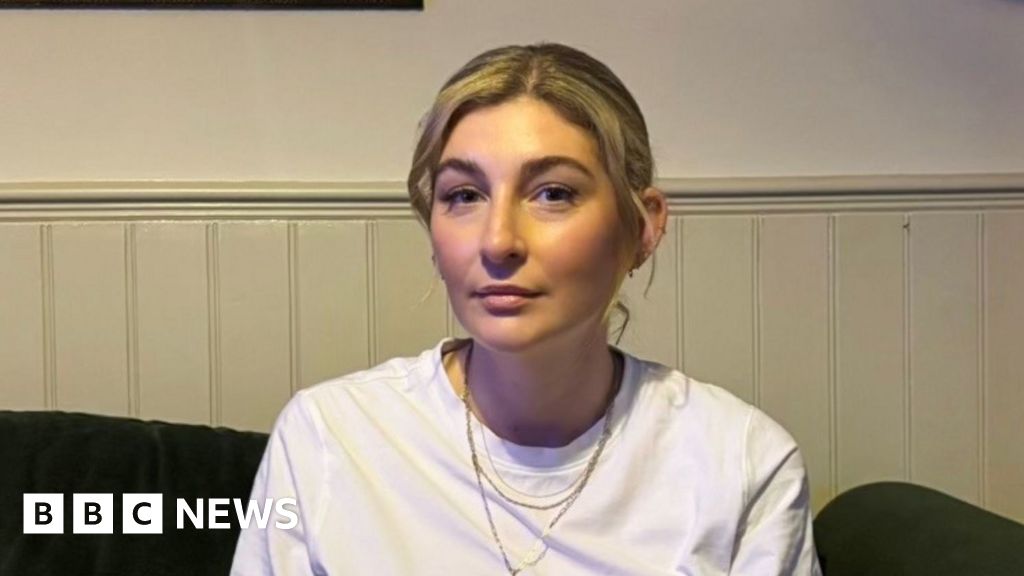
Emma Giannuzzi, a 36-year-old mother from Rogerstone, Newport, has bravely shared her deeply personal and emotionally charged experience of battling skin cancer, a diagnosis that struck her during a profoundly vulnerable time: her pregnancy. The weight of this diagnosis, she revealed, was compounded by an overwhelming sense of guilt, a feeling that she carried throughout her pregnancy as she navigated the complexities of her own health while nurturing a new life. "I felt so guilty," Emma recounted, her voice tinged with the lingering emotions of that period, "knowing that I had this condition, this potential threat to my health, while I was carrying my son." This profound sense of responsibility, she explained, intensified the already significant emotional toll of a cancer diagnosis.
Her journey with melanoma, the most serious form of skin cancer, has been a recurring battle. The first encounter with this aggressive disease occurred when she was just 23 years old. At that time, the diagnosis was a shock, a stark and unwelcome intrusion into her young life. Unbeknownst to her then, the seeds of this illness may have been sown years prior, during her late teens, a period marked by regular sunbed use. The allure of a tanned complexion, a societal ideal at the time, led her to frequent tanning salons, a habit she now deeply regrets. The insidious nature of UV radiation, she has since learned, can have long-lasting and devastating consequences, often manifesting years after the initial exposure.
The second diagnosis, however, arrived with a unique and agonizing twist: it was during her pregnancy. The discovery came about after Emma noticed a mole on her stomach that had changed in appearance. This observation, a seemingly minor detail, triggered a cascade of worry and ultimately, a return to the terrifying reality of melanoma. The uncertainty surrounding her health was amplified by the presence of her unborn child. Every scan, every test, every consultation was not just about her own survival, but also about the well-being of the precious life growing within her. The period following the initial detection of the mole and leading up to the confirmation of the cancer after giving birth was a crucible of anxiety and fear. She grappled with the knowledge that her body was fighting a serious disease, while simultaneously experiencing the profound physical and emotional changes of pregnancy. The guilt, she admitted, stemmed from a perceived failure to protect herself, and by extension, her unborn child, from harm.
"I kept thinking, why me? Why now?" Emma shared, reflecting on the emotional turmoil. "It felt like I had let myself down, and that was the hardest part to reconcile while I was trying to be strong for my baby." The diagnosis during pregnancy forced her to confront not only her mortality but also the fundamental instinct of a mother to protect her offspring. The fear of undergoing treatment while pregnant, the potential impact on her baby, and the sheer physical and emotional exhaustion of both pregnancy and cancer treatment created an unprecedented challenge.
Now, with the immediate threat of cancer behind her, Emma has emerged as a powerful advocate for sun safety. Her personal ordeal has fueled a burning desire to educate others about the dangers of sunbed use and to encourage safer tanning alternatives. She is passionately urging people, particularly young individuals, to steer clear of sunbeds and instead embrace the readily available and significantly safer options of fake tanning products. "I want to prevent anyone else from going through what I did," she stated with conviction. "The short-term cosmetic benefits of a sunbed are simply not worth the long-term health risks. It’s a gamble with your life."
Her warning is grounded in scientific evidence. The National Health Service (NHS) unequivocally states that sunbeds are far more harmful than natural sunlight. This is due to the fact that sunbeds emit concentrated ultraviolet (UV) radiation, a known carcinogen. This intensified exposure significantly elevates the risk of developing skin cancer, including melanoma. Beyond cancer, the detrimental effects of sunbed use extend to premature ageing of the skin, leading to wrinkles, sunspots, and loss of elasticity. Furthermore, the intense UV exposure can cause painful sunburn and irreversible eye damage, potentially leading to conditions like cataracts. The NHS guidelines on sunscreen and sun safety emphasize the importance of protecting the skin from UV radiation, a message that Emma’s story powerfully reinforces.
In contrast to the unregulated and often unsupervised use of sunbeds, Gilly Perkins, a representative from the Sunbed Association, offered a different perspective. She asserted that professional tanning salons adhere to "strict" safety rules and regulations. According to Ms. Perkins, this controlled environment, when coupled with responsible usage and adherence to professional guidance, can make sunbed use in regulated salons a safer option than uncontrolled, prolonged exposure to natural sunlight, particularly during peak hours or without adequate protection. This statement, while acknowledging the existence of safety protocols in professional settings, does not negate the inherent risks associated with UV radiation, regardless of its source. The fundamental point remains that any exposure to concentrated UV radiation carries a risk of skin damage and cancer.
Emma’s journey highlights the critical importance of early detection and regular skin checks. Her vigilance in noticing the changing mole on her stomach, despite the overwhelming circumstances of her pregnancy, undoubtedly played a crucial role in her diagnosis and subsequent treatment. The experience has transformed her perspective on body image and the pursuit of artificial tans. She now champions a more nuanced approach to beauty, one that prioritizes health and well-being above fleeting trends. Her message is clear: the desire for a tanned appearance should never come at the expense of one’s health. The guilt she felt during her pregnancy has, in a way, been transmuted into a powerful drive to educate and empower others, ensuring that fewer people have to face the devastating consequences of skin cancer, especially during such a significant and cherished life event. Her bravery in sharing her story serves as a potent reminder of the silent dangers lurking within the seemingly harmless pursuit of a tan and the profound impact that choices made in youth can have on one’s future health.

 Nana Banana
 atisusanti
 Nakalama John
 George Anjay