
 Ramos Leo
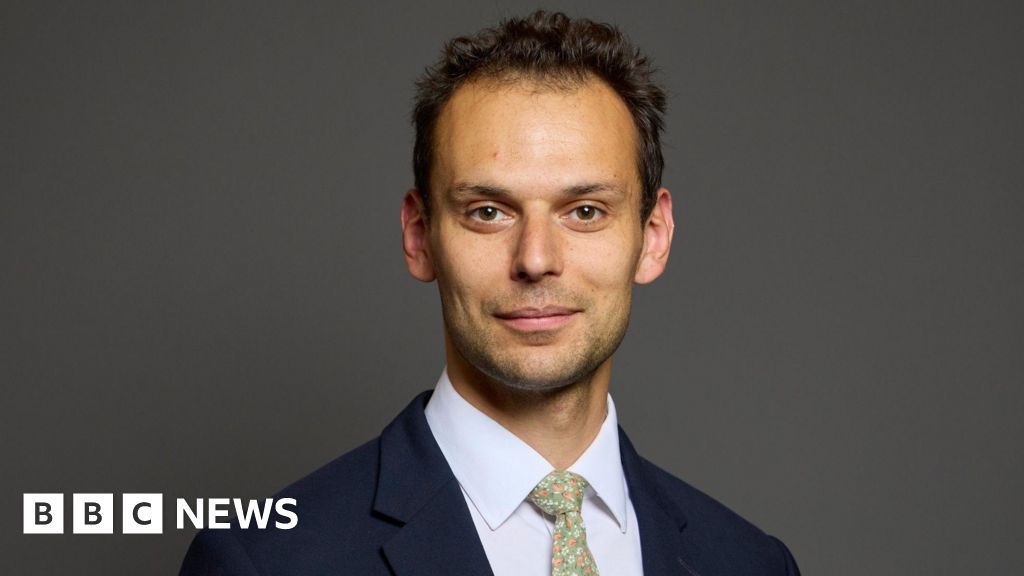
Lord Herbert, the chair of the College of Policing, indicated that the proposed new approach would be "sensible," focusing exclusively on the most serious incidents. He stressed the necessity of "re-balancing the system" to better suit the complexities of the social media age. NCHIs are currently recorded when an alleged act, perceived by either the victim or another person to be motivated by hostility or prejudice towards an individual based on a protected characteristic – such as race, religion, sexual orientation, disability, or transgender identity – does not meet the legal threshold for a criminal offence. These characteristics are defined under the Equality Act 2010.
The current Home Office guidance, which mandates the recording of NCHIs, posits that this data collection is crucial for identifying "hate incidents that could escalate into more serious harm." The intention behind their introduction was to allow police forces to monitor patterns of prejudice and hostility, even in the absence of a crime, to prevent future, more severe offences. However, this system has attracted considerable criticism from various quarters, primarily on the grounds that it diverts valuable police resources away from investigating actual crimes and, more fundamentally, restricts freedom of speech.
Despite not being criminal offences, NCHIs are nevertheless retained on police records. This retention has serious implications for individuals, as these incidents can surface during background checks, potentially impacting employment opportunities, particularly in sensitive sectors, or other aspects of a person’s life. The very existence of such records, critics argue, creates a "chilling effect," discouraging individuals from expressing views that, while potentially controversial or unpopular, remain within the bounds of lawful free speech, for fear of being recorded as a "hate incident."
The framework for recording NCHIs traces its origins back to 2005, a direct consequence of recommendations made by the inquiry into the murder of Stephen Lawrence. Lawrence, an 18-year-old Black British man, was tragically stabbed to death in a racially motivated attack in southeast London in 1993. The subsequent Macpherson Report, published in 1999, highlighted systemic racism within the Metropolitan Police and recommended that all racist incidents, whether or not they constituted a criminal offence, should be recorded and investigated as such by the police. The spirit of this recommendation was to ensure that the cumulative impact of hate-motivated behaviour was understood and addressed, and that victims felt their experiences were taken seriously.
However, Lord Herbert contends that the landscape has dramatically altered since NCHIs were first introduced, largely due to "an explosion of social media." He argues that this digital transformation has inadvertently drawn police forces into monitoring what he describes as "mere disputes" online, far removed from the original intent of tracking potentially escalating real-world hate. He explicitly stated that officers do not wish to be "policing tweets," emphasising the impracticality and inappropriateness of police involvement in online ideological debates or disagreements that do not cross into criminality.
Lord Herbert further commented that recent headlines surrounding NCHIs had been "awkward and very damaging" for the police’s public image. He acknowledged a widespread "perception that the police were being drawn into matters that they shouldn’t have been," eroding public trust and diverting focus from core policing duties. This sentiment reflects growing concern that police time and resources are being misdirected towards managing perceived grievances rather than concentrating on serious crime and public safety.
The ultimate decision on whether to adopt the recommendations outlined by the College of Policing and the National Police Chiefs’ Council will rest with the Home Secretary. The Home Office, while awaiting the full findings of the review, has already articulated its commitment to ensuring "a consistent, common-sense approach" that unequivocally protects the "fundamental right to free speech." This statement underscores the government’s awareness of the delicate balance required between safeguarding communities from hate and upholding civil liberties.
Rachel Swann, Vice-Chair of the National Police Chiefs’ Council, reiterated this nuanced position. She affirmed that "it is not for policing to referee online debates on cultural issues," stressing that "protecting free speech and ensuring officers focus on real-world threat and risk is an important part of our considerations." However, Swann also highlighted the equally critical need for policing to "continue to keep our communities safe, such as by spotting risks to vulnerable people, monitoring community tensions or identifying potential precursors to violence and other criminal behaviour." This acknowledges the original preventative rationale behind NCHIs, even as their implementation is being questioned. She confirmed that the final policy decision would ultimately lie with ministers.
The details of the new proposals were initially brought to light by The Telegraph. Lord Herbert reportedly informed the newspaper that, under the revised system, "only the most serious category of what will be treated as anti-social behaviour will be recorded." This suggests a move towards a more stringent threshold for recording incidents, focusing on those with a clearer potential for harm or disruption, rather than mere expressions of hostility or prejudice that do not constitute a crime.
Statistical data underscores the scale of NCHIs recorded across England and Wales. The Telegraph previously reported that since 2014, 43 police forces in England and Wales had recorded more than 133,000 NCHIs. This substantial figure illustrates the administrative burden and the sheer volume of incidents that fall into this category, prompting questions about the efficacy and proportionality of the current system.
The movement towards re-evaluating NCHIs has gained significant momentum recently. In October of last year, the Metropolitan Police, the UK’s largest force, announced its decision to cease investigating NCHIs. This strategic shift was made explicitly to allow officers to "focus on matters that meet the threshold for criminal investigations," acknowledging the finite resources available to the force. This move by the Met came shortly after the policing watchdog, His Majesty’s Inspectorate of Constabulary and Fire & Rescue Services (HMICFRS), had itself recommended that forces should discontinue the practice of recording NCHIs, reinforcing the growing consensus among policing bodies.
Politicians have also weighed in on the debate. In April, Conservative cabinet minister Kemi Badenoch publicly called for NCHIs to be scrapped in most cases. She argued forcefully that the current system "wasted police time chasing ideology and grievance instead of justice," aligning with the criticisms regarding resource diversion and the perceived politicisation of policing. Her comments reflect a broader political desire to refocus police efforts squarely on criminal matters.
The impending recommendations from the College of Policing and NPCC represent a critical juncture in how hate-motivated behaviour is policed in the UK. While acknowledging the historical imperative to address hate and prejudice, the proposed changes signal a desire to delineate more clearly the boundaries of police responsibility in an increasingly complex digital and social landscape. The forthcoming review, and the Home Secretary’s subsequent decision, will undoubtedly have profound implications for policing priorities, the protection of free speech, and the support offered to communities affected by hate.



 George Anjay
 Roy Suryo
 atisusanti
 Nakalama John