Nana Banana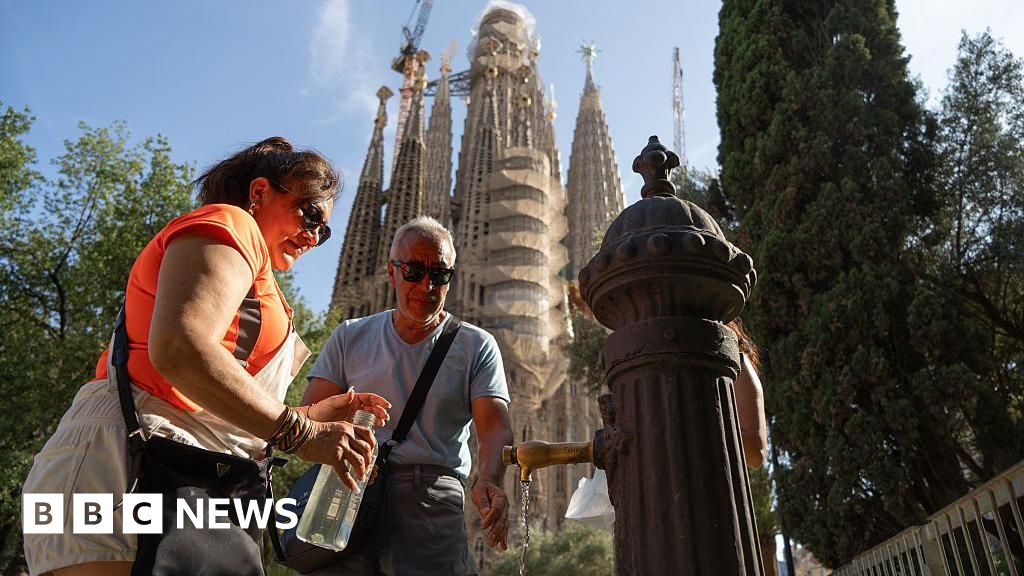
Spain is poised to implement a pioneering national network of climate shelters within public buildings, an initiative designed to offer widespread refuge from the intensifying heat waves that have become a grim new reality across the country. The comprehensive plan, announced by Prime Minister Pedro Sanchez during a significant conference in Madrid on Wednesday, underscores Spain’s proactive stance in confronting the escalating impacts of climate change. This bold move aims to have these essential cooling spaces operational before the arrival of next summer, providing a vital public health infrastructure.
Prime Minister Sanchez articulated the urgency of the situation, stating, "Devastating droughts and heatwaves are no longer rare. Some summers, it’s not separate waves we face, but one long heatwave stretching from June through August. This is now the new normal." His words reflect a growing consensus that the traditional understanding of summer in Spain is irrevocably altered, necessitating adaptive strategies on an unprecedented scale. The year 2025 served as a stark reminder of this climatic shift, with Spain enduring its hottest summer on record, punctuated by three distinct heatwaves. One particularly relentless heatwave in August persisted for an agonizing 16 days, pushing temperatures past the 45C (113F) mark in numerous locations, according to the State Meteorological Agency (AEMET). Such prolonged periods of extreme heat place immense strain on public health, infrastructure, and the daily lives of citizens.
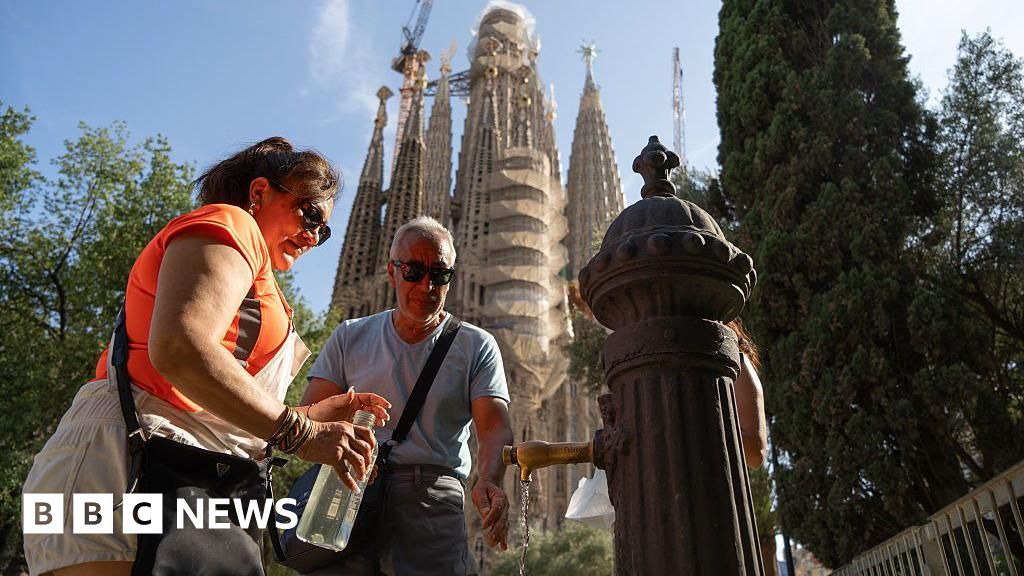
The core of the proposed national network involves transforming existing public buildings into accessible climate shelters. These spaces will be equipped to provide a cool, safe environment for anyone seeking respite from the oppressive heat. Sanchez confirmed that the national government would bear the financial responsibility for establishing these shelters, strategically allocating funds to areas "that need them most, where the heat really hits people the hardest." This targeted approach aims to address disparities in heat vulnerability, often more pronounced in urban heat islands and socio-economically disadvantaged neighborhoods where access to air conditioning is limited.
This national rollout builds upon and complements existing successful regional initiatives. Several autonomous communities, including Catalonia, the Basque Country, and Murcia, have already developed their own localized climate shelter networks. Barcelona, the vibrant capital of Catalonia, stands as a prime example of such foresight, boasting approximately 400 operational climate shelters. These urban havens are ingeniously integrated into a diverse array of public buildings, including libraries, museums, sports facilities, and even some shopping malls. Within these designated spaces, visitors find air-conditioned comfort, ample seating, and often free access to drinking water. The primary objective is to offer a crucial escape from the sweltering outdoor conditions, particularly for those most susceptible to heat-related illnesses: individuals with pre-existing health conditions, the elderly, infants, and those with limited financial resources who may not be able to afford personal cooling solutions. The experience of Barcelona demonstrates the practical feasibility and significant public benefit of such an initiative, providing a valuable blueprint for the national expansion.
Beyond the immediate provision of cooling shelters, Prime Minister Sanchez’s announcement encompassed a broader "state pact" aimed at comprehensively addressing climate change. As part of this wider strategy, the government pledged significant financial commitments to bolster resilience against other climate-induced hazards. This includes dedicating €20 million (£18 million; $24 million) towards funding flood prevention plans in small towns, recognizing their particular vulnerability to extreme weather events exacerbated by changing rainfall patterns. An equivalent sum of €20 million is also designated for fire prevention plans in small towns. This allocation directly responds to Spain’s devastating wildfire season in 2025, which saw over 400,000 hectares of land scorched – a catastrophic loss of natural habitat, property, and, in some instances, lives. These prevention plans are expected to include measures such as improved forest management, early warning systems, and enhanced community preparedness.
The set of proposals, which collectively form a robust national climate action plan, will soon be presented before the Congress of Deputies, Spain’s lower house of Parliament, for legislative consideration. Sanchez emphasized the non-partisan nature of this critical undertaking, urging other political groups to contribute constructively to the pact. He stated unequivocally that this initiative is "not an electoral weapon… it is a shield for Spain," highlighting the long-term, existential threat posed by climate change that transcends political divisions. This call for cross-party collaboration underscores the national importance and the need for a unified approach to safeguard the country’s future.
The scientific community overwhelmingly supports the urgency of these measures. The UN’s Intergovernmental Panel on Climate Change (IPCC) has repeatedly affirmed that heatwaves are becoming more common, more intense, and longer-lasting due to human-caused climate change, primarily driven by the emission of greenhouse gases. Spain, situated in a region particularly susceptible to desertification and extreme heat, is on the front lines of this global crisis. The human toll of the 2025 summer was tragically evident, with more than 3,800 heat-related deaths recorded across Spain – an alarming 88% increase compared to 2024, according to estimates from the Ministry of Health. These figures underscore the critical need for immediate and effective interventions to protect public health. The economic repercussions of extreme heat are also substantial, impacting agricultural yields, tourism, and worker productivity, while simultaneously straining energy grids due to increased demand for air conditioning.
The initiative to establish a national network of climate shelters, coupled with enhanced flood and fire prevention strategies, represents a significant step forward in Spain’s climate adaptation efforts. By preparing for the "new normal" of a hotter climate, Spain aims to mitigate the human cost and socio-economic disruption caused by extreme weather events. The government’s proactive investment in these resilience measures signifies a recognition that adaptation is no longer an option but a necessity for the well-being and security of its citizens in an increasingly warming world. This comprehensive approach, combining immediate relief with long-term prevention, positions Spain as a leader in developing practical solutions to the challenges posed by a rapidly changing global climate.



 Roy Suryo
 atisusanti
 Nakalama John
 George Anjay