George Anjay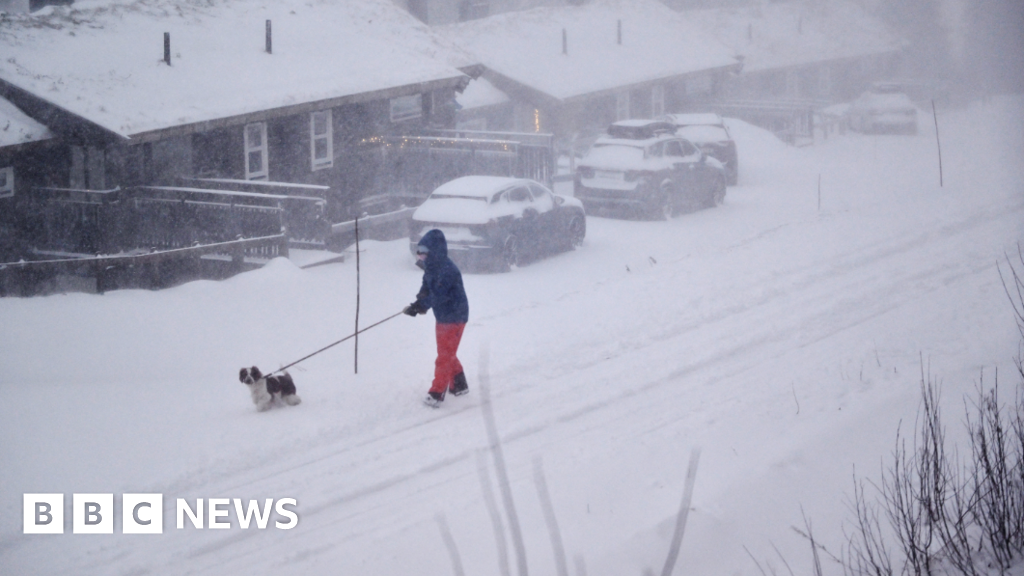
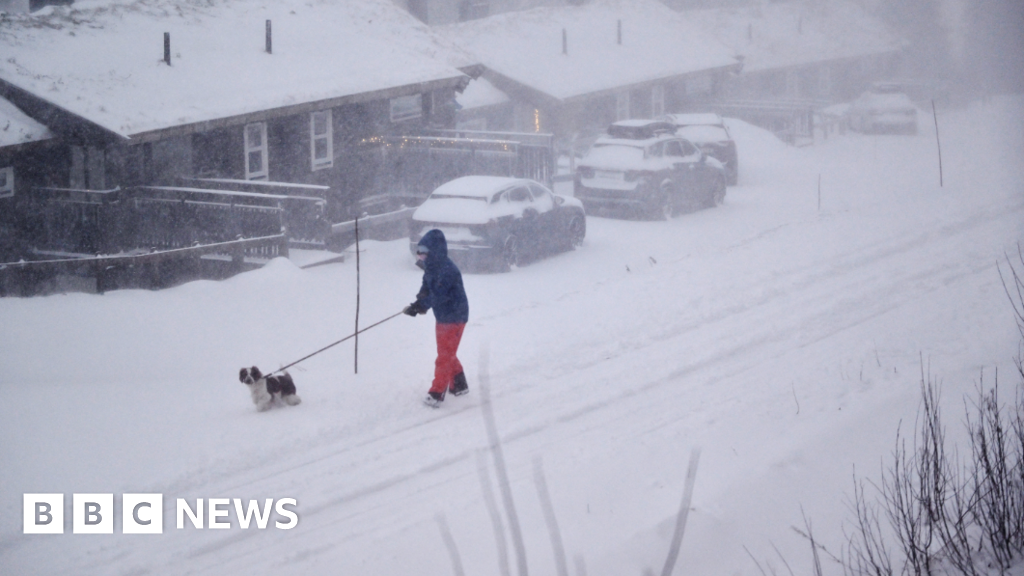
A devastating winter storm, christened Johannes by meteorologists, has unleashed its fury across the Nordic countries, leaving a trail of destruction and tragically claiming two lives in Sweden. The powerful tempest, characterized by gale-force winds and heavy snowfall, has wreaked havoc on infrastructure, leading to widespread travel disruptions and significant power outages affecting tens of thousands of households. The Swedish Meteorological and Hydrological Institute (SMHI) issued urgent alerts for strong winds across vast swathes of northern Sweden as Storm Johannes made its forceful landfall.
The grim toll of the storm became apparent with the tragic death of a man in his 50s, who was fatally struck by a falling tree in the popular Kungsberget ski resort, located in the southern region of Sweden. Local media outlets and official police reports confirmed the devastating incident, highlighting the perilous conditions created by the tempest. Adding to the sorrow, a regional utility company, Hemab, announced the untimely death of one of its dedicated employees, who perished in an accident while working in the field, presumably attending to storm-related damages. These two fatalities underscore the grave dangers posed by Storm Johannes, transforming a natural weather phenomenon into a national tragedy.
The widespread impact of Storm Johannes has plunged numerous communities into darkness and isolation. In Sweden alone, an estimated 40,000 homes were left without electricity, a stark illustration of the storm’s disruptive power. The nation’s vital rail network also bore the brunt of the tempest, with a multitude of services being cancelled, severely impeding travel and logistical operations. The Swedish news agency TT reported extensively on the scale of these disruptions, painting a grim picture of a nation grappling with the aftermath of the storm.
Beyond Sweden, the storm’s tendrils of disruption extended across the broader Nordic region. Norway and Finland also experienced significant impacts, with cancelled flights, suspended rail services, and disrupted ferry operations becoming commonplace. The relentless winds and heavy precipitation rendered many roads impassable, further exacerbating the challenges faced by emergency services and stranded commuters.
In Norway, the northern county of Nordland, one of the country’s most remote and sparsely populated regions, bore the brunt of the storm’s ferocity. The local fire department reported an overwhelming response to more than 200 weather-related incidents, a testament to the sheer scale of the storm’s impact. Broadcaster NRK detailed the dire situation, reporting that Storm Johannes had cut power to approximately 23,000 homes in Nordland. An additional 9,000 households in the Inland region of Norway also found themselves plunged into darkness, adding to the growing number of affected citizens.
Meanwhile, in Finland, the storm, which bore the local moniker of Hannes, began to subside on Sunday morning, but not before leaving a significant mark. Public broadcaster Yle reported that over 33,000 homes across Finland were left without power in the storm’s wake. The economic and social consequences of these prolonged power outages are substantial, impacting businesses, homes, and essential services.
The storm’s disruptive force was particularly evident at Kittila airport in northern Finland, where heavy winds wreaked havoc on the tarmac. Flights were temporarily grounded as a Swiss Air jet, carrying approximately 150 passengers from Geneva, was pushed off the runway and into a bank of snow while taxiing. In a separate but related incident, a smaller 400XT model aircraft, also on the ground at the time, was similarly dislodged by the powerful gusts of wind. Fortunately, initial reports indicated no injuries from these alarming runway incidents, a small mercy amidst the widespread chaos.
The Swedish Transport Administration issued a stark warning to travelers, announcing the suspension of numerous train services until noon on Sunday. This measure was deemed necessary to ensure the safety of passengers and railway personnel, given the ongoing hazardous conditions. The full extent of the damage to the railway infrastructure is still being assessed, and repairs are expected to take considerable time.
The economic repercussions of Storm Johannes are also a growing concern. The disruption to transportation networks will undoubtedly impact supply chains and trade, potentially leading to increased costs for businesses and consumers. The agricultural sector, particularly in the more exposed northern regions, may also face significant losses due to damaged crops and livestock. Furthermore, the cost of repairing damaged infrastructure, including power lines, roads, and buildings, will represent a substantial financial burden for the affected countries.
Emergency services across all three nations have been working tirelessly to respond to the myriad of calls for assistance. Rescuers have been battling treacherous conditions to reach stranded individuals, clear debris, and restore essential services. The dedication and bravery of these frontline workers have been instrumental in mitigating the worst effects of the storm and ensuring the safety of communities.
As the immediate fury of Storm Johannes begins to wane, the focus shifts to recovery and resilience. The Nordic countries, accustomed to harsh winter weather, are now faced with the daunting task of rebuilding and reinforcing their infrastructure to withstand future extreme weather events. This will likely involve significant investment in climate adaptation measures and the development of more robust early warning systems.
The human cost of Storm Johannes serves as a poignant reminder of the vulnerability of even developed nations to the raw power of nature. The two lives lost in Sweden are a tragic testament to the unpredictable and unforgiving nature of extreme weather. As the affected regions begin the long process of recovery, the spirit of community and cooperation will be crucial in overcoming the challenges that lie ahead. The stories of resilience and mutual support that are inevitably emerging from the storm-stricken areas will offer a glimmer of hope amidst the devastation. The international community will undoubtedly be watching closely as Sweden, Norway, and Finland navigate the aftermath of this devastating storm. The lessons learned from Storm Johannes will be invaluable in preparing for the increasing frequency and intensity of extreme weather events predicted in a changing climate. The ongoing monitoring of weather patterns and the continuous improvement of disaster preparedness strategies are paramount in safeguarding lives and livelihoods in the face of such formidable natural forces. The collective experience of Storm Johannes will undoubtedly shape future policies and investments in climate resilience across the Nordic region and beyond.


 atisusanti
 Nakalama John
 Roy Suryo
 Nana Banana