Ramos Leo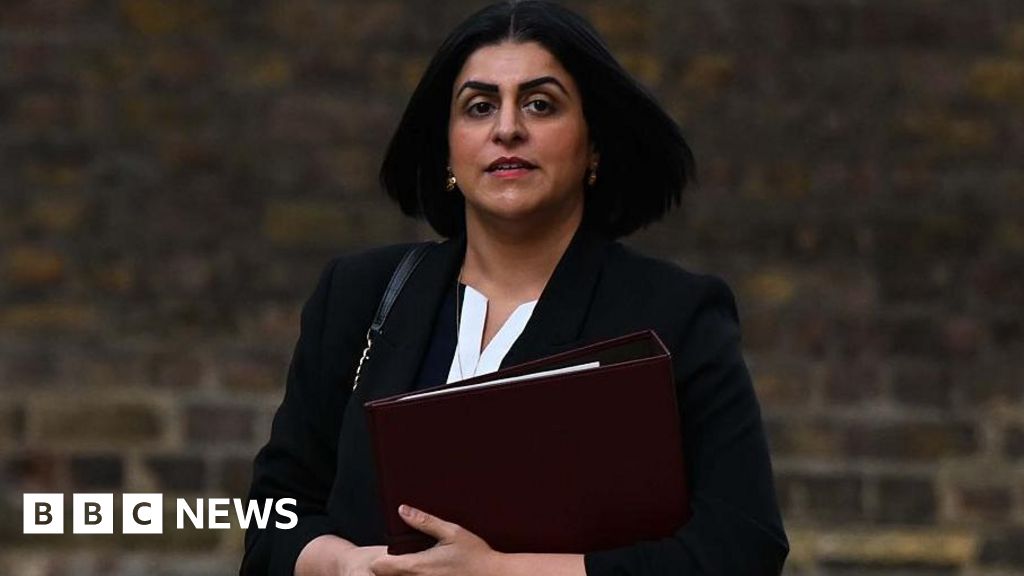
Ministers within the UK government have explicitly stated that the DRC has not made the necessary changes required under the comprehensive overhaul of the UK’s asylum rules, which were first unveiled in November. These reforms aim to streamline the process of removing individuals who have no legal right to remain in the UK, including those whose asylum claims have been rejected and foreign nationals who have committed crimes. Consequently, the previously available fast-track visa processes, which offered expedited entry for certain categories of travellers, will no longer be applicable to people originating from the Democratic Republic of Congo. Furthermore, the Home Office confirmed that preferential treatment previously extended to VIPs and politicians from the DRC when seeking entry to the UK will also be rescinded, ensuring that all applicants from the country are subjected to the standard, more rigorous visa application procedures. This removal of privileges underscores the severity of the UK’s dissatisfaction with the DRC’s lack of cooperation.
The Home Office’s announcement also highlighted a contrasting development with other African nations that had faced similar warnings. Angola and Namibia, which were initially threatened with sanctions alongside the DRC, have now agreed to significantly step up their efforts to facilitate the return of their citizens from the UK. This agreement is viewed by the UK government as a tangible success for its new, more assertive immigration policies. A government source, speaking on the condition of anonymity, revealed Home Secretary Shabana Mahmood’s unwavering resolve, stating that she would not hesitate to impose similar visa bans or restrictions on any other countries that refuse to take back their citizens who have no legal right to remain in the United Kingdom. This warning serves as a broader deterrent, aimed at compelling international partners to comply with the UK’s demands for effective returns.
The improved cooperation from Angola and Namibia has been hailed by the Home Office as the "first delivery success" stemming directly from the asylum reforms announced just last month. Prior to this agreement, the UK government had issued stern warnings that it would cease granting visas to individuals from Angola, Namibia, and the Democratic Republic of Congo if their respective governments did not rapidly enhance their cooperation on removals. This ‘stick’ approach, coupled with the potential ‘carrot’ of maintaining normal diplomatic and travel relations, appears to have yielded results in the cases of Angola and Namibia. A Home Office source expressed optimism that these agreements could lead to the successful removal and deportation of thousands of individuals who are currently in the UK illegally, marking a significant step towards clearing the backlog and enforcing immigration rules.
The foundation for these actions lies in the UK government’s sweeping changes to its asylum system, first outlined in November. Under these reforms, the status of refugee protection will become temporary, moving away from indefinite leave to remain. Crucially, the guarantee of housing support for asylum seekers will be curtailed, and new, capped "safe and legal routes" into the UK are set to be established, designed to manage migration more tightly and prevent illegal crossings. These changes represent a fundamental shift in how the UK approaches asylum claims and seeks to regain control over its borders.
When announcing these profound changes last month, Home Secretary Mahmood had explicitly warned that visa penalties would be applied to countries that failed to adequately cooperate with the UK’s returns policies. This included the introduction of an "emergency brake" mechanism, allowing for immediate visa restrictions on countries with high numbers of asylum claims until they demonstrated a willingness to take back their citizens residing in the UK illegally. This mechanism is now being deployed against the DRC. The Home Office had previously detailed how returns from the DRC, Angola, and Namibia were being consistently frustrated by bureaucratic obstacles. These included paperwork not being processed in a timely manner or, in some cases, individuals being required to sign their own repatriation documents, effectively granting them a veto over their own removal. This obstructionist behaviour was deemed unacceptable by the UK authorities.
The UK government had previously warned that these three countries faced penalties for their "unacceptably poor and obstructive returns processes." While there had been some limited engagement by the Democratic Republic of Congo following these initial warnings, the Home Office made it clear that "unless co-operation rapidly improves," further and more stringent measures could be imposed. This included the stark possibility of a complete visa ban, which would prohibit all individuals from the DRC from entering the UK, irrespective of their purpose of travel. The current restrictions, while severe, are therefore a step towards this ultimate sanction, underscoring the UK’s determination to see its demands met.
Home Secretary Shabana Mahmood reiterated the UK’s firm stance, stating: "We expect countries to play by the rules. If one of their citizens has no right to be here, they must take them back." Her comments reflect a broader government policy driven by a commitment to enforce immigration laws and reduce the number of individuals illegally present in the country. She further extended her gratitude to the cooperating nations: "I thank Angola and Namibia and welcome their co-operation. Now is the time for the Democratic Republic of Congo to do the right thing. Take your citizens back or lose the privilege of entering our country." This direct challenge to the DRC highlights the UK’s resolve to use diplomatic and immigration levers to achieve its policy objectives.
The decision to impose visa restrictions on the DRC underscores a broader shift in UK immigration policy, moving towards a more robust and reciprocal approach with international partners. The government’s narrative often centres on fairness to taxpayers and those who follow legal routes, framing these measures as essential to maintaining the integrity of the immigration system. The challenges with returns have long been a bottleneck for the Home Office, with legal and bureaucratic hurdles in countries of origin often delaying or preventing deportations. By linking visa access to cooperation on returns, the UK is leveraging its sovereign power over border control to exert pressure on non-compliant states. This strategy aims to create a disincentive for countries to obstruct removals, thereby making it easier for the UK to deport foreign national offenders and those who have exhausted their legal avenues to remain.
The impact of these restrictions on the Democratic Republic of Congo could be multifaceted. Beyond the immediate effect on individuals seeking to travel to the UK for tourism, business, education, or family visits, there could be broader diplomatic ramifications. The removal of preferential treatment for VIPs and politicians could be seen as a direct affront, potentially straining bilateral relations. While the UK’s primary focus is on immigration enforcement, such measures inevitably touch upon wider diplomatic engagements. For the DRC, the choice now becomes clear: either demonstrate genuine and rapid improvement in facilitating returns or face further isolation and increasingly stringent travel restrictions to the UK. This policy sets a precedent, indicating that the UK is prepared to use its immigration system as a tool to enforce its broader foreign policy objectives regarding border control and national security. The success with Angola and Namibia provides a template for how the UK intends to proceed, offering a path to resolution for countries willing to engage constructively.




 atisusanti
 Nakalama John
 Roy Suryo
 Nana Banana