George Anjay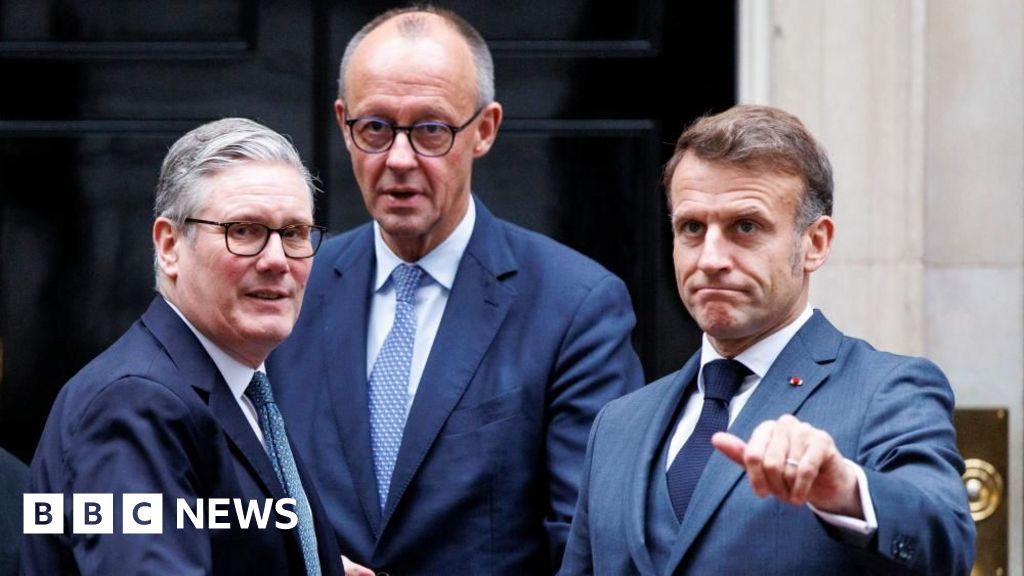
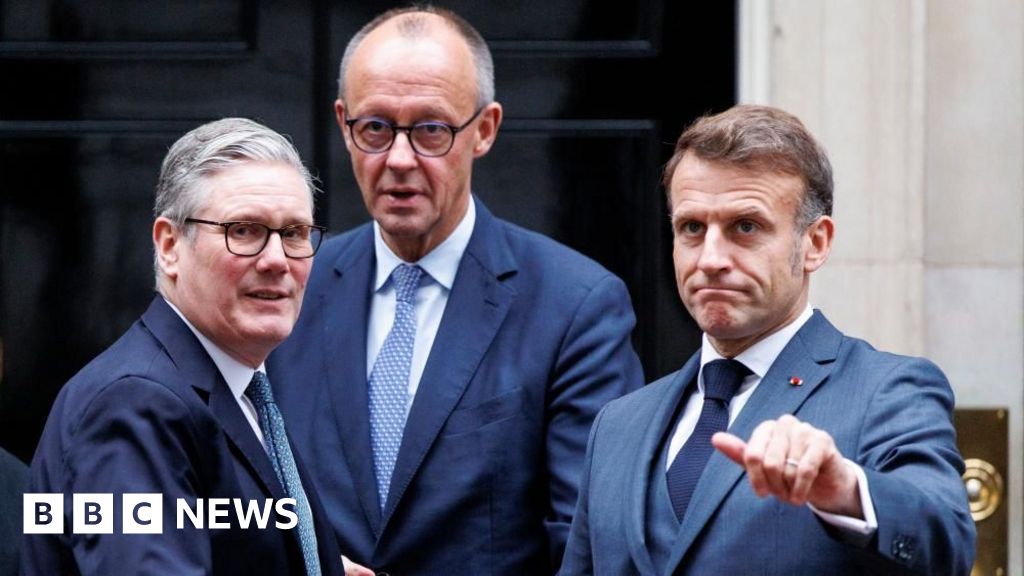
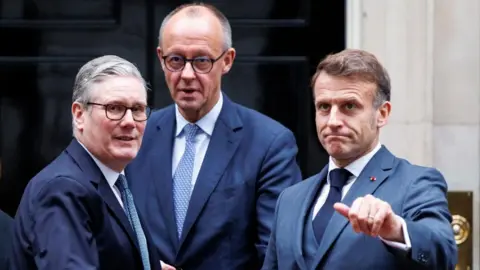
European leaders have declared that "intensive work" will continue in the coming days on a US-led plan to end the Russia-Ukraine war, following a significant joint phone call with President Donald Trump. British Prime Minister Sir Keir Starmer, French President Emmanuel Macron, and German Chancellor Friedrich Merz collectively stated they "agreed that this was a critical moment – for Ukraine, its people and for shared security across the Euro-Atlantic region." A White House official confirmed the call took place, though details remain undisclosed. This development occurs just a day after Trump, in a wide-ranging interview with Politico, criticized European leaders as "weak" and suggested the US might reduce its support for Ukraine. He also controversially claimed Ukraine was "using war" to avoid holding elections, a statement met with a swift response from Ukrainian President Volodymyr Zelensky, who declared he was "ready" for them.
The full-scale invasion of Ukraine by Russia commenced in February 2022, and currently, Moscow exerts control over approximately 20% of Ukrainian territory. The three prominent European leaders issued identical statements shortly after their conversation with Trump on Wednesday. These statements emphasized: "The leaders discussed the latest on the ongoing US-led peace talks, welcoming their efforts to achieve a just and lasting peace for Ukraine, and to see an end to the killing. Intensive work on the peace plan is continuing and will continue in the coming days." Earlier on Wednesday, President Zelensky announced on social media that a 20-point document outlining a pathway to end the war would be presented to the US in the "near future," following "our joint work with President Trump’s team and partners in Europe." The Ukrainian leader did not elaborate on the specifics of this document. It is understood that the original US draft peace plan, which was widely leaked to the media last month, contained 28 points and was perceived as favoring Russian interests. Since then, Ukraine has engaged in separate discussions with US and European negotiators, aiming to revise key clauses, particularly concerning territorial integrity and security guarantees.
President Zelensky is reportedly facing mounting pressure from Donald Trump to assent to a peace deal to conclude the ongoing conflict. The former US president has been urging Kyiv to "play ball" by potentially ceding territory to Moscow. However, Zelensky has consistently rejected such propositions, advocating instead for an immediate ceasefire along the extensive front lines and the establishment of robust, legally binding security guarantees for Kyiv within any future settlement. The Ukrainian leader is currently undertaking a diplomatic tour across Europe, following intensive negotiations between US and Ukrainian negotiators over the preceding weekend, which reportedly failed to yield an agreement acceptable to Kyiv. Zelensky has been actively engaging his European allies, imploring them to assist in deterring the United States from endorsing an accord that could potentially leave Ukraine vulnerable to future Russian aggression.
In parallel, the Kremlin has acknowledged that Trump’s recent statements regarding Ukraine, including his assertion that Moscow would prevail in the war and that Kyiv would be compelled to relinquish land, align with Russia’s perspective. Dmitry Peskov, Putin’s spokesman, commented, "In many ways, on the subject of Nato membership, on the subject of territories, on the subjects of how Ukraine is losing land, it is in tune with our understanding." Last week, Russian President Vladimir Putin reiterated his demand that Ukrainian troops must completely withdraw from Ukraine’s eastern Donbas region, threatening to seize it if this condition is not met and rejecting any compromise on the terms for ending the war.
The United States, under the leadership of President Trump, has signaled a potential shift in its approach to the Ukraine conflict, sparking concern among European allies. Trump’s public pronouncements have suggested a desire for a swifter resolution, even if it involves concessions from Ukraine. This stance has placed European leaders in a delicate diplomatic position, attempting to balance their commitment to Ukraine’s sovereignty with the need to maintain a cohesive front with their key transatlantic partner. The recent joint call between Trump and the leaders of the UK, France, and Germany underscores the urgency and complexity of these discussions.
The "critical moment" for Ukraine, as described by the European leaders, refers to the precarious balance between the ongoing fight for survival and the external pressures to negotiate an end to the war. The potential scaling back of US support, a prospect raised by Trump, could significantly impact Ukraine’s ability to continue its defense efforts. European nations, while providing substantial aid, rely heavily on American military and financial assistance to sustain their support for Kyiv. Therefore, any wavering in US commitment would necessitate a substantial recalibration of European strategy and resource allocation.
The mention of a "US-led peace plan" suggests a coordinated effort to find a diplomatic solution. However, the specifics of this plan and the extent to which it incorporates Ukraine’s demands remain subjects of intense negotiation. The fact that Zelensky has been actively seeking to influence the terms of this plan, particularly concerning territorial integrity and security guarantees, highlights the deep-seated concerns within Kyiv about future Russian intentions. The leaked draft plan’s perceived pro-Russian bias has fueled these anxieties, making Ukraine cautious about any agreement that could be perceived as appeasement.
President Zelensky’s diplomatic tour of Europe is a clear indication of his efforts to rally support and build consensus among his allies. By engaging with European leaders, he aims to ensure that their collective voice is heard in Washington and that any peace settlement adequately addresses Ukraine’s security needs. The urgency of his mission is amplified by the ongoing fighting on the ground and the significant human cost of the conflict.
The Kremlin’s response, noting that Trump’s statements align with their own understanding, is a strategic move. It suggests an openness to a resolution that aligns with Russia’s objectives, potentially creating a wedge between the US and its European allies if their positions diverge significantly. Putin’s reiterated threat regarding the Donbas region serves as a stark reminder of Russia’s assertive stance and its willingness to escalate if its demands are not met.
The involvement of Donald Trump in these discussions is particularly noteworthy, given his past criticisms of NATO and his "America First" foreign policy approach. His suggestions about the US potentially reducing its commitment to Ukraine could represent a significant shift in American foreign policy, with far-reaching implications for global security and the future of the conflict. The European leaders’ emphasis on "shared security across the Euro-Atlantic region" underscores their concern about the broader implications of any disengagement from Ukraine.
The "intensive work" on the peace plan implies ongoing, perhaps difficult, negotiations behind the scenes. The differing perspectives and interests of the key players – Ukraine, Russia, the US, and European nations – present a formidable challenge to achieving a lasting peace. The success of these efforts will depend on the ability of all parties to find common ground and make compromises, while ensuring that any agreement respects Ukraine’s sovereignty and territorial integrity. The coming days are indeed crucial for determining the trajectory of the conflict and the future of European security. The diplomatic maneuvering and public pronouncements highlight the high stakes involved and the complex web of relationships that will shape the outcome.


 atisusanti
 Nakalama John