Nana Banana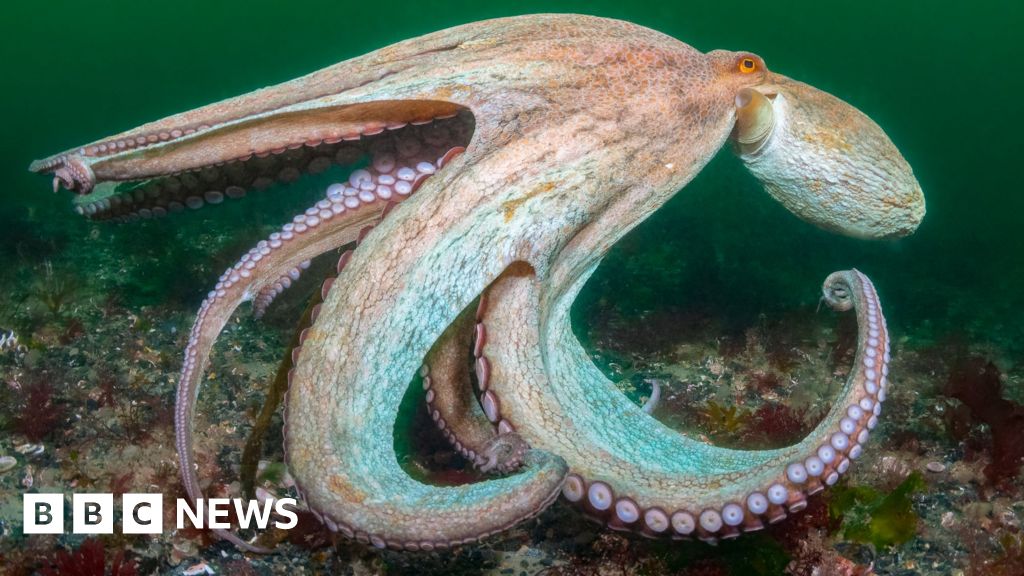
The UK’s marine environment is undergoing a dramatic shift, highlighted by a groundbreaking declaration from a leading wildlife charity: 2025 has been officially dubbed "the Year of the Blooming Octopus." This unprecedented designation comes after a summer that saw record numbers of octopuses, particularly off the vibrant south-west coast of England, a phenomenon not witnessed since 1950. The extraordinary population surge, known scientifically as a "bloom," is intrinsically linked to the increasingly warmer winter temperatures, a direct consequence of ongoing climate change. This remarkable influx of cephalopods has not only captivated divers and marine enthusiasts but has also sent ripples through the scientific community and local fishing industries, prompting both wonder and concern about the future of British waters.
The Wildlife Trusts, a federation of 46 independent charities dedicated to protecting wildlife, presented these startling findings in their annual marine review. Their report painted a vivid picture of a marine ecosystem in flux, with the octopus bloom standing out as one of the most striking indicators of environmental change. The sheer scale of the increase is staggering. Official figures, meticulously gathered and analyzed, corroborate the charity’s observations, revealing that a colossal 1,200 tonnes of octopus were caught by fishermen in UK waters during the summer of 2025 alone. This figure represents an almost unbelievable leap compared to recent history; prior to this year, only once since 2021 had the annual octopus landing surpassed 200 tonnes. The data unequivocally points to an explosion in octopus populations, turning traditionally rarer sightings into common occurrences.
The species primarily responsible for this remarkable bloom is Octopus vulgaris, more commonly known as the common octopus. This intelligent and adaptable cephalopod is typically found in the warmer, more temperate waters of the Mediterranean Sea and parts of the Atlantic. Its prolific presence in UK waters, especially in such record numbers, underscores the significant shift in sea temperatures. Wildlife Trusts volunteers stationed across Cornwall and Devon, areas renowned for their rich marine biodiversity, reported an astonishing increase in sightings. Along specific stretches of the south coast, the rise in observations exceeded 1,500 percent compared to figures from 2023, transforming the underwater landscape and offering divers and snorkelers a rare glimpse into this usually elusive creature’s world.
Matt Slater, a marine conservation officer from the Cornwall Wildlife Trust, recounted the awe-inspiring encounters witnessed by divers and volunteers throughout the summer. "It really has been exceptional," he enthused, describing the dynamic behaviours observed. "We’ve seen octopuses jet-propelling themselves along with incredible speed and agility, almost like underwater rockets. We’ve marvelled at their mastery of camouflage, watching them instantly change their skin texture and colour to mimic the surrounding rocks or seaweeds, disappearing before our very eyes." Beyond their hunting prowess and defensive tactics, divers observed more intricate behaviours. "We’ve seen them meticulously cleaning themselves, almost as if grooming, and perhaps most remarkably, we’ve even witnessed them walking across the seabed using just two arms, nonchalantly cruising away from a diver underwater as if on an afternoon stroll." These intimate observations provide invaluable insights into the octopuses’ adaptability and intelligence, characteristics that allow them to thrive in new environments.
However, the question that looms large over this extraordinary bloom is whether it represents a permanent shift or a transient, cyclical event. Marine biologists and conservationists are keenly monitoring the situation, acknowledging that octopus populations are known for their boom-and-bust cycles. Nevertheless, the scale and duration of this particular bloom suggest a potentially more enduring change, largely driven by the altered marine climate. Should these elevated population numbers persist, the ecological ramifications could be profound. Octopuses are voracious predators, and their diet primarily consists of shellfish, including commercially valuable species such as lobsters, crabs, and scallops. The Wildlife Trusts have issued a cautionary note, warning that a sustained high octopus population could significantly impact these shellfish species, leading to cascading effects throughout the marine food web.
Ruth Williams, head of marine for The Wildlife Trusts, elaborated on these concerns during an interview with the BBC’s Today programme. "They are undoubtedly having an impact on those shellfish species around our shores," she stated, "and as a consequence, they will be having an impact on our fishing industry who specifically target those species as well." This presents a complex challenge for coastal communities reliant on traditional fisheries. However, Williams also highlighted a proactive approach: "But there are opportunities, and our fishing industry are doing some research into that at the moment to try and evolve with the changing fisheries that we’re seeing as a result of climate change." This collaborative effort between conservationists and fishermen underscores the urgent need for adaptive strategies to navigate the evolving marine landscape. Government data, which independently tracks fishing landings, offers a mixed picture. While crab landings have shown a noticeable decrease compared to previous years, catches of lobster, crawfish, and scallops have remained relatively stable, suggesting that the full extent of the octopus’s predatory impact is still unfolding and may vary across different species and regions.
Beyond the captivating narrative of the octopus bloom, the Wildlife Trusts’ comprehensive annual marine review contained a broader range of findings, painting a nuanced picture of the UK’s marine health. The year 2025 was unfortunately bookended by significant environmental disasters, serving as stark reminders of the persistent threats facing our oceans. In March, a catastrophic collision between an oil tanker and a container ship in the North Sea resulted in the spillage of huge quantities of plastic resin pellets, known as "nurdles." These tiny plastic beads, often mistaken for food by marine wildlife, pose a long-term pollution threat, contaminating beaches and entering the food chain. Later in the year, November saw another concerning incident with nearly 4.5 tonnes of bio-beads, used in water treatment processes, released from a plant in Sussex. These incidents highlight the ongoing vulnerability of marine ecosystems to industrial accidents and the pervasive challenge of plastic pollution.
Yet, amidst these challenges, the review also brought forth rays of hope and success stories for other cherished marine wildlife. Conservation efforts yielded remarkable results for the charismatic puffin, often dubbed the "clown of the sea" for its distinctive appearance. A record-breaking 46,000 puffins were recorded on Skomer Island in Pembrokeshire, an internationally important wildlife haven. This surge in numbers is a testament to dedicated conservation work protecting breeding colonies and their habitats. Furthermore, the black and white bird made a triumphant comeback on the Isle of Muck, an island off the west coast of Scotland. This success was attributed to intensive conservation efforts spearheaded by the Ulster Wildlife Trust, which focused on the removal of invasive brown rats. Rats are notorious predators of ground-nesting seabirds’ eggs and chicks, and their eradication has allowed puffin populations to rebound, demonstrating the tangible positive impact of targeted conservation interventions.
The "Year of the Blooming Octopus" serves as a powerful symbol of the profound and often unpredictable changes occurring in our oceans due to climate change. While the sight of more octopuses brings a certain allure and wonder, it is also a potent indicator of shifting ecological balances, with potential consequences for both marine biodiversity and human livelihoods. The juxtaposition of environmental setbacks, conservation triumphs, and the striking octopus bloom underscores the complex, interconnected nature of marine ecosystems. It reinforces the urgent need for continued scientific research, adaptive management strategies, and robust conservation efforts to safeguard the future of the UK’s invaluable marine environment in a rapidly warming world.



 George Anjay
 Ramos Leo
 Roy Suryo
 atisusanti
 Nakalama John