Roy Suryo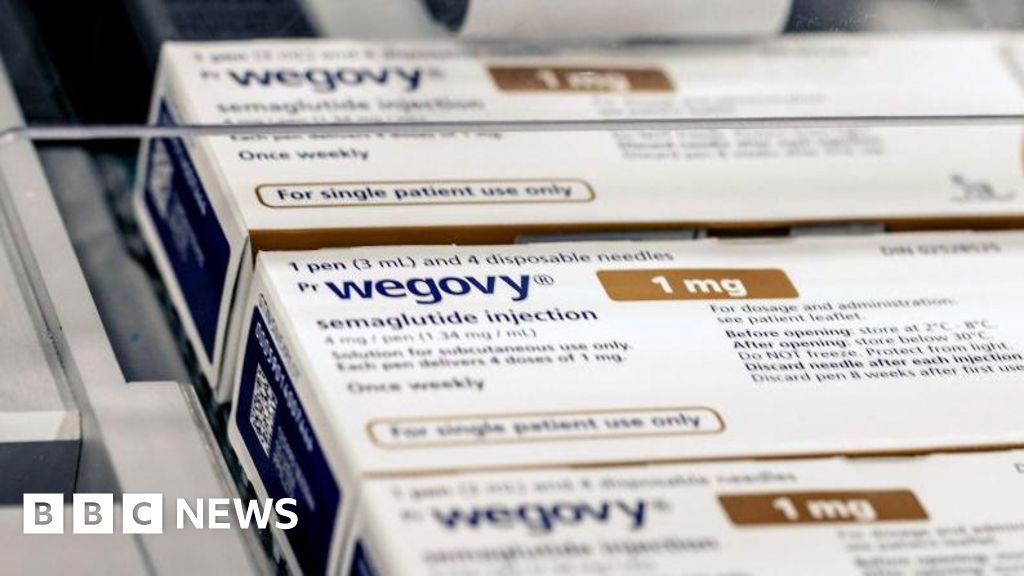
The US Food and Drug Administration (FDA) has granted approval to a groundbreaking oral formulation of Wegovy, the highly anticipated pill version of the revolutionary weight-loss drug developed by pharmaceutical giant Novo Nordisk. This landmark decision marks a significant advancement in the field of obesity management, ushering in a new era for therapeutic interventions by offering the first pill of its kind to receive regulatory clearance for weight loss. The once-daily pill is poised to provide a more convenient and accessible option for individuals seeking to manage their weight, delivering the same substantial weight loss efficacy as its injectable predecessor.
Novo Nordisk, the Danish pharmaceutical powerhouse behind Wegovy, has hailed the oral formulation as a "convenient option" that will offer patients the same significant weight loss results as the widely recognized Wegovy injection. This approval follows the FDA’s prior endorsement of Wegovy specifically for weight loss purposes, solidifying its role as a dedicated treatment for obesity. While other medications like Ozempic, which share similar weight-loss effects, were primarily approved for the management of Type 2 diabetes, the new oral Wegovy formulation is exclusively designated for weight management, underscoring its targeted therapeutic application. The BBC has reached out to the FDA for further comment on this significant regulatory development.
Clinical trials conducted by Novo Nordisk have demonstrated the remarkable efficacy of the oral Wegovy pill, with participants achieving an average weight loss of an impressive 16.6%. This substantial reduction in body weight was observed during the course of the firm’s rigorous testing protocols, as detailed in a recent announcement. Furthermore, the trials revealed that a significant proportion of participants, approximately one-third of the around 1,300 individuals involved in the study, experienced an even more profound weight loss of 20% or greater. These compelling results underscore the pill’s potential to be a transformative treatment for individuals struggling with obesity. The oral formulation of Wegovy is slated for its official launch in the United States in early January 2026, making this innovative therapy more readily available to a wider patient population.
"Patients will have a convenient, once-daily pill that can help them lose as much weight as the original Wegovy injection," stated Mike Doustdar, the firm’s chief executive, expressing his enthusiasm for the oral formulation’s potential to enhance patient adherence and satisfaction. This oral option promises to overcome some of the logistical hurdles associated with injectable medications, potentially increasing the number of individuals who can benefit from Wegovy’s therapeutic effects. The introduction of the pill version of Wegovy is anticipated to provide a substantial boost to Novo Nordisk’s sales figures, particularly following a challenging year that saw its shares experience a decline amidst warnings about its profit margins.
The weight-loss drug market is characterized by intense competition, with rival drugmakers like Eli Lilly actively developing and marketing their own innovative therapies. Novo Nordisk has been at the forefront of this dynamic landscape, and the approval of the oral Wegovy pill positions the company to further solidify its leadership in this lucrative and rapidly expanding sector. The announcement of the FDA’s approval sent ripples through the financial markets, with Novo Nordisk’s shares surging by nearly 10% in after-hours trading on the New York Stock Exchange, a clear indication of investor confidence in the drug’s commercial prospects.
The journey of Wegovy, and now its oral counterpart, represents a significant paradigm shift in how obesity is treated. Historically, weight loss has been a complex challenge, often requiring multifaceted approaches that include lifestyle modifications, behavioral therapy, and sometimes surgical interventions. While these methods remain crucial components of comprehensive weight management, the advent of effective pharmacotherapies like Wegovy offers a powerful new tool to aid individuals in achieving and maintaining a healthier weight. The mechanism of action for Wegovy involves mimicking the action of a hormone called glucagon-like peptide-1 (GLP-1), which plays a vital role in regulating appetite and satiety. By stimulating GLP-1 receptors in the brain, Wegovy can help individuals feel fuller for longer, leading to reduced food intake and subsequent weight loss.
The approval of the oral formulation is particularly noteworthy because it addresses a key barrier to treatment for some patients: the aversion to or difficulty with self-injecting medication. The convenience of a daily pill can significantly improve adherence, a critical factor in the long-term success of any weight-loss therapy. This can translate into more consistent engagement with the treatment regimen and, consequently, better health outcomes for patients. The implications of this approval extend beyond individual patient benefits. A more accessible and effective treatment for obesity can have broader public health implications, potentially reducing the incidence of obesity-related comorbidities such as type 2 diabetes, cardiovascular disease, certain types of cancer, and joint problems. This, in turn, could lead to a reduction in healthcare costs associated with managing these chronic conditions.
The development of semaglutide, the active ingredient in both Ozempic and Wegovy, by Novo Nordisk has been a testament to the company’s extensive research and development capabilities. The initial approval of Ozempic for Type 2 diabetes, with its observed weight-loss side effects, paved the way for the development of Wegovy, specifically optimized for weight management. The subsequent evolution to an oral formulation represents another significant innovation, demonstrating Novo Nordisk’s commitment to enhancing patient experience and treatment accessibility. The clinical trials that underpinned the approval of the oral Wegovy pill were meticulously designed to assess its safety and efficacy. These trials involved a diverse cohort of participants, reflecting the real-world patient population that the drug is intended to serve. The robust data generated from these studies provided the FDA with the necessary evidence to confidently grant approval.
The economic impact of this approval is also substantial. The global market for obesity drugs is projected to grow exponentially in the coming years, driven by increasing rates of obesity worldwide and the availability of more effective therapeutic options. Novo Nordisk, with its established presence and innovative pipeline, is well-positioned to capture a significant share of this market. The positive market reaction to the announcement of the FDA approval reflects the financial community’s recognition of Wegovy’s commercial potential and its ability to drive future revenue growth for Novo Nordisk. The competitive landscape, while challenging, also spurs innovation. Eli Lilly, a key competitor, has also made significant strides in the weight-loss drug market with its own GLP-1 receptor agonists, such as tirzepatide. This competitive dynamic ultimately benefits patients by driving the development of more advanced and effective treatments.
Looking ahead, the successful launch of the oral Wegovy pill in early 2026 is expected to further transform the obesity treatment landscape. Novo Nordisk will likely focus on robust marketing and educational campaigns to inform healthcare providers and patients about the benefits and appropriate use of this new formulation. The company’s ability to navigate the complexities of manufacturing and distribution will be crucial to ensuring widespread availability. Furthermore, ongoing research and post-market surveillance will continue to provide valuable insights into the long-term effectiveness and safety of oral Wegovy in diverse patient populations. The approval of Wegovy in pill form is not just a pharmaceutical milestone; it represents a significant step forward in the global effort to combat the obesity epidemic and improve the health and well-being of millions. It offers a beacon of hope for individuals who have struggled with weight management, providing them with a more convenient and effective tool to achieve their health goals. The journey from injectable to oral administration highlights the continuous evolution of medical treatments, driven by scientific advancement and a commitment to patient-centric care. The implications of this approval are far-reaching, promising to reshape the future of obesity treatment and its impact on public health.




 atisusanti
 Nakalama John
 Nana Banana