Nana Banana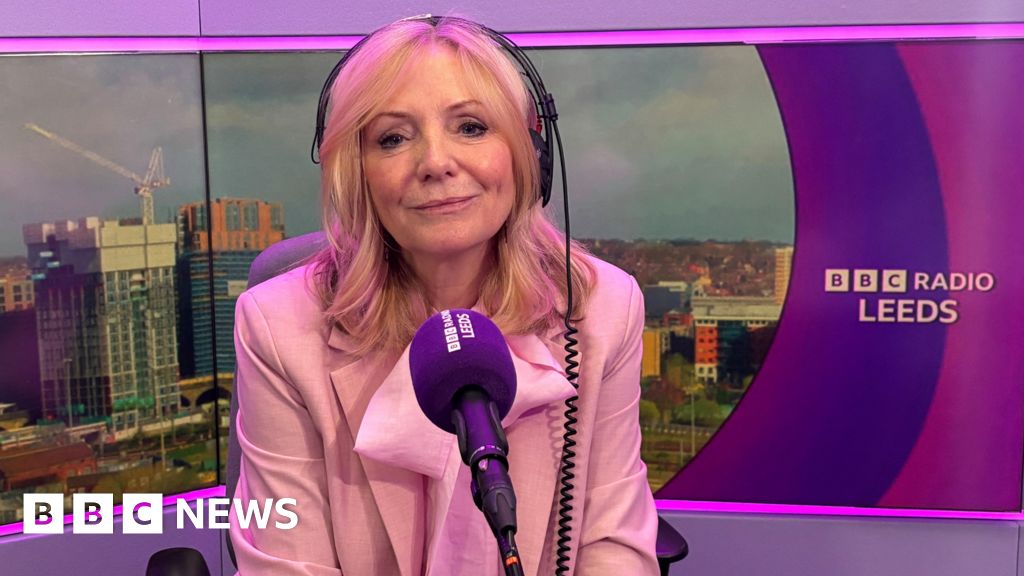
Labour’s Tracy Brabin, the Mayor of West Yorkshire, has voiced significant concerns regarding the growing number of families in the region who are trapped in the cycle of "working poverty," despite having employment. Speaking on BBC Radio Leeds’ "Message the Mayor," Brabin highlighted the critical need for policy changes to support these struggling households, particularly emphasizing the positive impact of recently announced reforms to the two-child benefit cap. Her wide-ranging interview also covered progress on key regional infrastructure projects like the White Rose station in Leeds, the strategic rationale behind her recent diplomatic trip to Brazil, and the potential benefits of introducing a tourist tax for visitors to Yorkshire. These discussions underscored her commitment to both social welfare and economic growth within the West Yorkshire Combined Authority area.
A central pillar of Mayor Brabin’s argument revolved around the recent announcement in the national Budget to scrap the two-child benefit cap, a policy she described as "absolutely shaming." Introduced in April 2017, the cap limited the amount of Universal Credit or child tax credit parents could receive to their first two children, with very limited exceptions. The government’s stated aim at the time was to ensure that families on benefits faced the same financial choices as those in work, promoting fairness to taxpayers. However, critics, including Brabin, have consistently argued that the policy disproportionately pushed larger families into poverty, regardless of their parents’ employment status, and failed to account for complex family circumstances such as domestic abuse, multiple births, or changes in relationships. Brabin passionately argued, "For various circumstances, you might have three children, but just because you have three means you are poorer as a family – it is absolutely shaming." She pointed to the alarming statistic that in some West Yorkshire communities, a staggering 50% of children are living in poverty. This dire situation, she contended, severely undermines their future prospects, asking, "How on Earth are they going to take up the opportunities as we grow the economy if their start in life is so difficult?" The scrapping of this cap is therefore seen by the Mayor as a vital step towards alleviating financial strain on thousands of families in the region, providing a crucial lifeline to the "working poor" who, despite their best efforts, struggle to make ends meet and provide their children with a fair start in life. This move is expected to have a tangible impact on reducing child poverty rates and fostering greater social mobility across West Yorkshire.
Mayor Brabin expressed considerable optimism regarding the recent Budget’s emphasis on empowering regional leaders, calling it "quite revolutionary" in its approach to devolution. The Chancellor’s commitment to providing "integrated settlements" for more parts of England signifies a significant shift in how local government funding is managed. Under this new model, rather than receiving numerous ring-fenced grants for specific projects, local authorities within mayoral combined authorities will have their government funding consolidated into one substantial pot. This gives elected mayors, like Brabin, significantly greater autonomy and flexibility to decide how these funds are allocated to best meet the unique needs and priorities of their regions. This enhanced fiscal power is designed to enable more strategic, long-term planning and investment in areas such as transport, housing, skills development, and economic growth, directly addressing local challenges with local solutions. Brabin proudly referenced comments from her counterpart, Andy Burnham, Mayor of Greater Manchester, who recently highlighted his region’s economic growth surpassing the national average and even London. She then noted with pride that West Yorkshire ranked second in this impressive regional economic performance, attributing this success, in part, to the benefits of devolved powers and coordinated regional strategies. The ability to control a unified budget will allow West Yorkshire to implement more ambitious projects and programmes, attract further investment, and foster sustainable economic development, building on the region’s existing strengths and addressing its specific weaknesses without being constrained by Whitehall’s often prescriptive funding mandates.
Another significant topic addressed by Brabin was the prospect of implementing a "tourist tax," or visitor levy, in West Yorkshire. She firmly stated her belief that such a charge would be "fair that people pay a tiny amount of money when they come." This proposal involves introducing a modest fee for overnight visitors, a common practice in many popular tourist destinations globally, including cities like Manchester and Edinburgh within the UK, and numerous European capitals. The primary rationale behind such a levy is to generate additional revenue that can be directly reinvested into improving the visitor experience, maintaining local infrastructure, and funding cultural events. Brabin outlined her vision for how these funds would be utilised, specifically mentioning investment in "big events" and crucial "infrastructure support like better buses." She highlighted the substantial visitor numbers to the region, noting that West Yorkshire welcomed an impressive "73 million visitors in the last year." This figure underscores the significant potential for revenue generation from even a small charge per overnight stay. Drawing a comparison, she pointed out that Mayor David Skaith in York and North Yorkshire could potentially raise "tens of millions of pounds" from similar powers, funds that could be transformative for transport and other public services. Brabin emphasized West Yorkshire’s rich cultural and natural heritage, citing "real jewels in the crown in Ilkley, Shipley and Haworth" as prime examples of areas that would directly benefit from enhanced funding. By reinvesting the proceeds, the aim is to ensure that the increased tourism benefits local communities and infrastructure, rather than placing an undue burden on existing resources, ultimately making the region "better for everyone."
Turning to local infrastructure, Mayor Brabin expressed her frustration and "desperation" to resolve the ongoing issues surrounding the stalled White Rose station project in Leeds. Work on the station, intended to improve connectivity and support economic development in the area, came to a halt in 2024. The project is a joint venture, funded by the West Yorkshire Combined Authority and the private company Munroe K. Brabin acknowledged the complications inherent in the original agreement, stating, "I know the longer it stays closed the more it is going to cost us," and critically added, "quite frankly, we’d never do this again in the way we are doing it." This statement hints at significant issues with the initial contractual arrangements or project management that led to the current impasse. The indefinite suspension of work has undoubtedly caused considerable inconvenience for local residents and businesses, delayed potential economic benefits, and likely incurred escalating costs. While she expressed hope that contractors would be able to resume work in 2026, Brabin was cautious, admitting, "she cannot promise." The delay underscores the complexities of delivering large-scale infrastructure projects, especially those involving multiple stakeholders and funding sources. The Mayor’s commitment to resolving this issue reflects its importance to regional transport networks and the economic vitality of Leeds and the wider West Yorkshire area.

Finally, Mayor Brabin addressed recent "criticism on social media" concerning her trip to a climate summit in Rio de Janeiro, Brazil. She clarified that her attendance was by invitation from former New York Mayor Michael Bloomberg, specifically to participate in a gathering of "mayors from across the globe to discuss what mayors can do to tackle the climate emergency." Brabin firmly defended the trip, framing it as a crucial diplomatic and economic opportunity for West Yorkshire. She highlighted the collaborative nature of the summit, where urban leaders shared best practices and strategies for addressing climate change at a local level, a perspective often underrepresented in larger national or international conferences like COP. For Brabin, the trip was a "real opportunity" to actively engage in global discussions and, more importantly, to "help create jobs in the climate economy." She underscored the significant economic value of the climate sector to West Yorkshire, estimating it to be worth a substantial "£8bn to the region." This figure emphasizes that climate action is not just an environmental imperative but also a major economic driver, capable of fostering innovation, attracting investment, and creating sustainable employment opportunities. Attending such international forums allows West Yorkshire to position itself as a leader in green technologies and sustainable development, fostering partnerships that can bring tangible benefits back to the region in terms of investment, knowledge transfer, and job creation within this burgeoning sector.
In summary, Mayor Tracy Brabin’s interview on BBC Radio Leeds painted a comprehensive picture of her priorities and challenges for West Yorkshire. From advocating for the region’s most vulnerable "working poor" families through benefit reforms, to leveraging newfound mayoral powers for economic growth and strategic investment, and even navigating international climate diplomacy, her focus remains steadfast on improving the lives and opportunities for all residents. Her commitment to addressing social inequalities, enhancing infrastructure, fostering sustainable development, and strategically positioning West Yorkshire on both national and global stages defines her leadership agenda.

 George Anjay
 Ramos Leo
 Roy Suryo
 atisusanti
 Nakalama John