Roy Suryo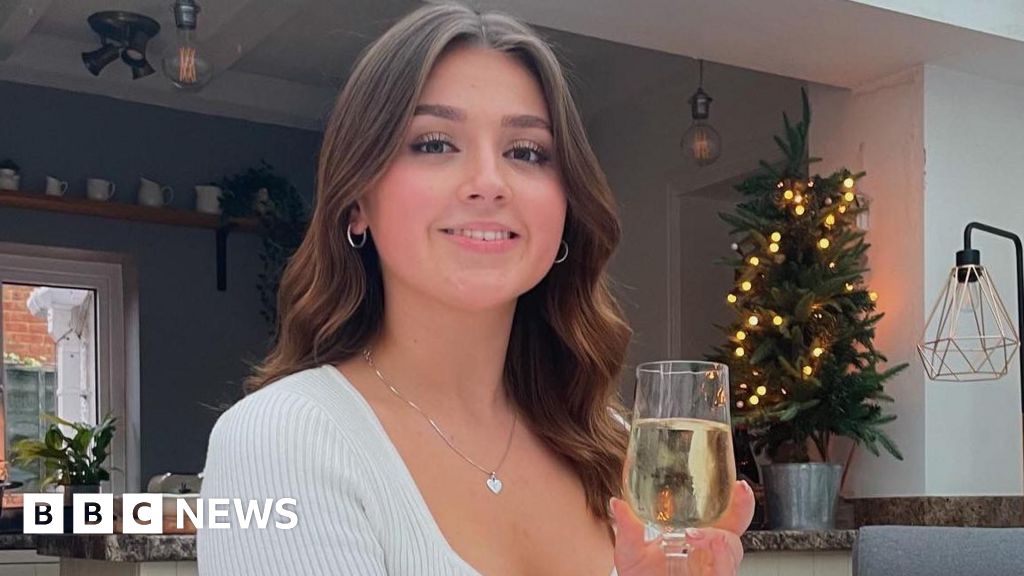
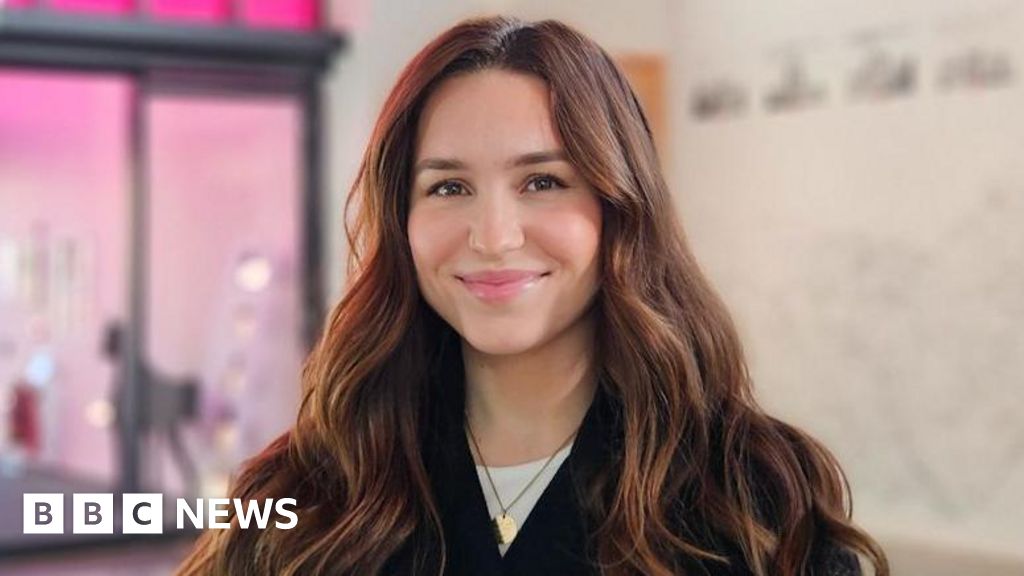
Christmas can be a particularly difficult time for Lottie, a 23-year-old, as the sounds of other people chewing, slurping, and sniffling trigger an overwhelming sense of discomfort. "I get this feeling of sudden panic, my whole body will just tense up and it feels like I’m in danger, and I need to somehow control these noises," she explains. Lottie has suffered from misophonia, a condition characterized by a reduced tolerance to certain sounds, particularly those made by other people, since she was 16. This makes the festive season "incredibly overwhelming." The King’s College London and University of Oxford research from 2023 highlighted the prevalence of misophonia in the UK, finding that almost one in five people experience it. Common triggers include sounds associated with mouth, throat, or facial movements, as well as chewing, breathing, and repetitive finger tapping.
The abundance of triggering sounds during Christmas can be profoundly anxiety-inducing, making the lead-up to the festivities a source of dread. Lottie notes, "My family are understanding, but I’m very conscious that I don’t want to make other people feel uncomfortable. It’s like a really big battle of sacrificing my own sanity to make sure everyone else is happy." This sentiment underscores the internal conflict faced by individuals with misophonia, where their well-being often takes a backseat to maintaining social harmony. Consequently, the "most wonderful time of the year" can quickly transform into a personal ordeal, with seemingly innocuous sounds like the slurp of a festive drink, the rustle of wrapping paper, or the general din of a Christmas dinner eliciting intense emotional responses, potentially leading to social avoidance.
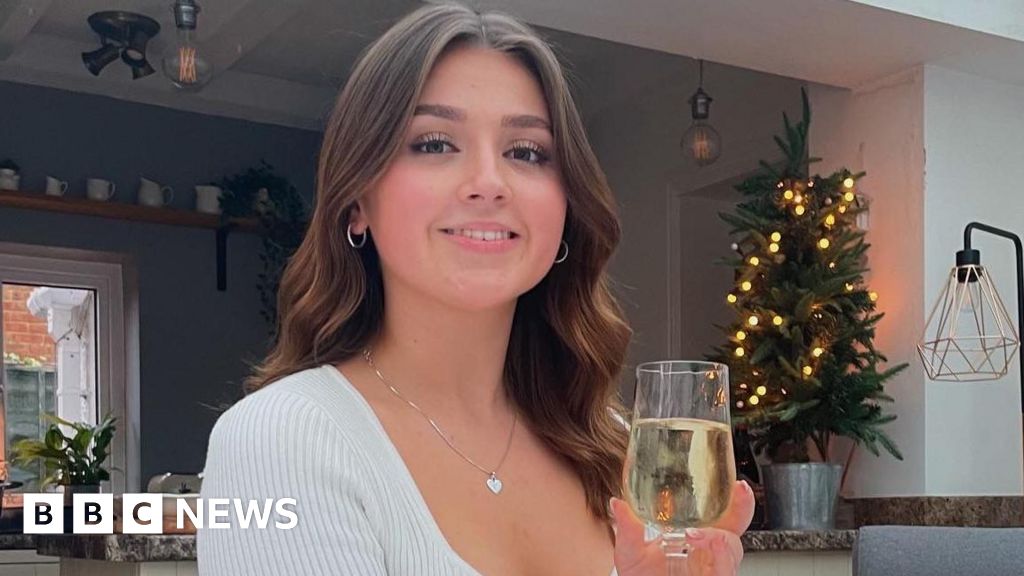
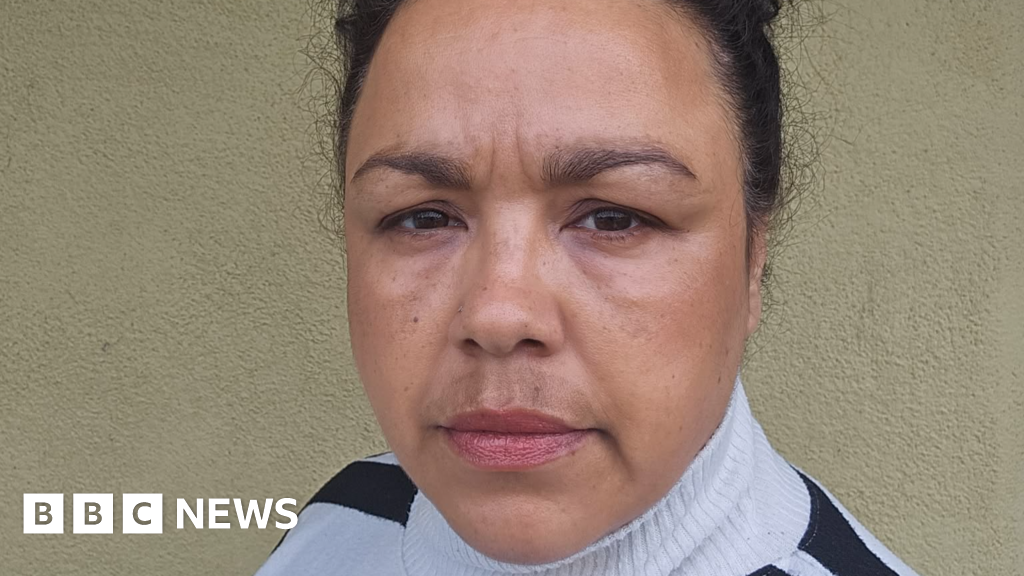
Jenna, a 21-year-old student who has lived with misophonia since she was 10, is already strategizing her coping mechanisms for Christmas lunch. Her current plan involves wearing earphones to navigate the meal, a stark contrast to her usual coping strategy of isolating herself in a different room to avoid triggering sounds. She observes that her misophonia is often exacerbated in the presence of those she is closest to, making Christmas gatherings particularly challenging. "There’s an expectation to spend time with family, and I want to, but it’s physically and mentally challenging," she shares. The experience of misophonia, for Jenna, can manifest as an uncontrollable surge of anger, which she finds embarrassing, or a wave of anxiety that can lead to immediate tears, triggering a fight-or-flight response. She acknowledges the difficulty in conveying the severity of her condition to others, stating, "It can come across as if I’m being difficult and dramatic, but it’s hard to explain unless you’ve experienced it."
For those who grapple with misophonia, particularly during the heightened sensory environment of Christmas, various coping strategies can offer relief. Clinical psychologist Dr. Jane Gregory, speaking on the BBC’s Morning Live Programme, outlined several techniques that can be employed. One primary strategy involves managing the sound environment. This can include utilizing noise-cancelling headphones or earplugs, as Lottie plans to do, to create a buffer against triggering sounds. For some, simply having these available can provide a sense of control and reduce anticipatory anxiety. It’s important to communicate with family members about the need for these aids, framing it as a necessity for participation rather than an act of exclusion.
Another crucial coping mechanism is cognitive restructuring and mindfulness. This involves reframing the perception of triggering sounds and developing techniques to manage the emotional and physical responses they evoke. Dr. Gregory suggests that individuals can learn to challenge the automatic negative thoughts associated with misophonic triggers. Instead of viewing a chewing sound as an immediate threat, for example, one can practice acknowledging the sound without attaching an intense emotional reaction. Mindfulness techniques, such as deep breathing exercises or focusing on the present moment, can help to interrupt the stress response. Practicing these techniques in calmer environments can build a foundation for using them more effectively during challenging situations like Christmas dinner.

A third vital approach is establishing clear boundaries and communication. While the desire to participate in family celebrations is strong, it’s equally important to protect one’s mental and emotional health. This involves having open and honest conversations with loved ones about the condition, its triggers, and the necessary coping strategies. Jenna’s experience highlights the challenge of appearing "difficult," but clear communication can foster understanding and reduce misinterpretations. Setting boundaries might include agreeing on designated quiet periods, ensuring there are opportunities for breaks away from the main gathering, or even subtly modifying seating arrangements to minimize proximity to known triggers. For instance, a family might agree that during the main meal, individuals can use discreet earplugs or that conversation can be kept at a slightly lower volume.
Beyond these strategies, understanding the neurological underpinnings of misophonia can be empowering. While not a formal diagnosis in the DSM-5, misophonia is increasingly recognized as a distinct condition involving a hyper-reactive auditory processing system. Brain imaging studies have shown differences in brain activity in individuals with misophonia when exposed to their trigger sounds, particularly in areas related to emotion regulation and sensory processing. This scientific backing can help individuals and their families understand that the distress experienced is a genuine physiological and psychological response, not a matter of personal preference or oversensitivity.
The festive period, with its emphasis on shared meals and close proximity, presents a unique challenge for those with misophonia. However, by proactively implementing coping strategies, fostering open communication, and seeking understanding, it is possible to navigate these gatherings with greater ease and less distress. Lottie’s reliance on earplugs, while a practical solution, also signifies a broader need for awareness and accommodation. Jenna’s proactive planning demonstrates the resilience and resourcefulness of individuals living with this condition. Ultimately, a combination of personal coping mechanisms, supportive family dynamics, and increased societal understanding can transform a potentially overwhelming Christmas into a more manageable and even enjoyable experience for those affected by misophonia. The goal is not to eliminate all sounds but to develop the tools and support systems necessary to coexist with them, allowing for meaningful participation in cherished holiday traditions.


 atisusanti
 Nakalama John
 Nana Banana