
 Roy Suryo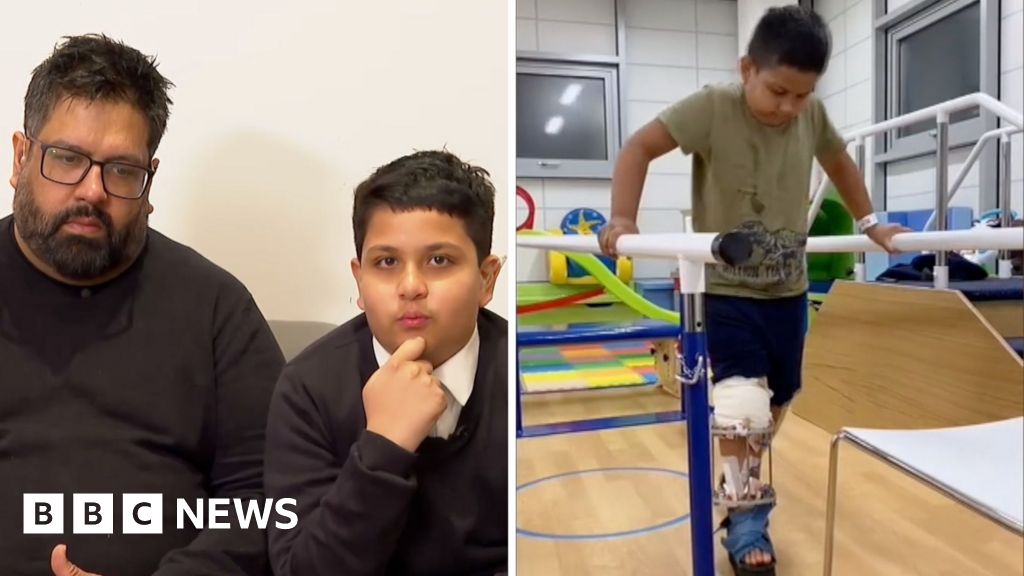
The hushed corridors of Great Ormond Street Hospital (GOSH), a place synonymous with hope and healing for children facing complex medical challenges, have been overshadowed by a deeply disturbing account from a former patient, Vivaan Sharma, now 12 years old. His story, shared with the BBC, sheds a stark and harrowing light on the profound distress caused by the actions of Mr. Yaser Jabbar, a limb reconstruction surgeon who practiced at the renowned institution. What began as a hopeful journey for a six-year-old boy seeking treatment for a condition affecting his leg, devolved into a prolonged nightmare of pain, multiple surgeries, and lasting physical and emotional scars, a testament to what an independent investigation has now confirmed as "widespread evidence of unacceptable practice."
Vivaan’s initial diagnosis and subsequent treatment at GOSH were intended to correct a problem and allow him to live a full and active childhood. However, from an early stage, it became apparent that something had gone terribly wrong. "We saw some mistakes on my leg and we realised something happened wrong," Vivaan recounted, his young voice carrying the weight of years of suffering. This dawning realization, the chilling understanding that the very hands meant to mend were instead causing further damage, marked the beginning of a protracted and agonizing ordeal. The medical team, initially tasked with his care, found themselves grappling with complications that were not anticipated, leading to a cascade of further interventions.
The gravity of the situation was amplified by a comprehensive investigation initiated by GOSH itself. This in-depth review, commissioned to examine the practices of Mr. Jabbar, who provided care to an alarming 789 children between 2017 and 2022, uncovered a disturbing pattern of substandard care. The report’s conclusion was unequivocal and damning: "widespread evidence of unacceptable practice in the botched operations he carried out." This formal acknowledgment from the hospital, while validating the experiences of patients like Vivaan, offers little solace for the pain and suffering inflicted. The investigation revealed that a significant number of these young patients, a staggering 94 in total, "came to harm" as a direct consequence of Mr. Jabbar’s surgical interventions.
For Vivaan, the impact of these "botched operations" has been devastating and far-reaching. What should have been a relatively straightforward period of recovery and rehabilitation transformed into an unending cycle of medical procedures. "We had to have even more surgeries and more surgeries," he explained, the repetition of the word "surgeries" emphasizing the relentless nature of his ordeal. Each operation, intended to rectify the damage from the previous one, only seemed to compound the problem, leading to increased pain, prolonged hospital stays, and a profound sense of helplessness. The physical toll is evident, with Vivaan bearing the visible reminders of his trauma. "This is stuck for life, I’ve got so many scars on my leg," he shared, his statement a poignant testament to the permanent physical alterations that will forever be a part of his life. These scars are not merely surface-level marks; they are a constant, tangible reminder of a childhood stolen, of the trust that was broken, and of the profound physical and emotional wounds that will take a lifetime to heal.
The implications of GOSH’s investigation extend far beyond Vivaan’s individual experience. The report has ignited a wider conversation about patient safety, accountability within the medical profession, and the crucial need for robust oversight in specialized surgical fields. The sheer number of children affected – 94 out of 789 – raises serious questions about the mechanisms that allowed such a pattern of harm to persist for an extended period. How were these complications not identified and addressed sooner? What were the systemic failures that allowed Mr. Jabbar’s practice to continue unchecked? These are critical questions that demand thorough and transparent answers to prevent such tragedies from ever happening again.
The psychological impact on young patients like Vivaan cannot be overstated. Beyond the physical pain and the disfigurement, there is the profound betrayal of trust that occurs when a child’s body is subjected to repeated harm by a medical professional. This can lead to a deep-seated fear of healthcare providers, anxiety surrounding medical procedures, and a lasting impact on their mental well-being. For Vivaan, his childhood, a period meant for play, learning, and exploration, has been largely defined by hospital visits, recovery periods, and the constant burden of managing his leg. The dreams and aspirations that a 12-year-old should be contemplating are likely overshadowed by the immediate reality of his medical condition and the long road to potential recovery or adaptation.
The BBC’s reporting on this story serves as a vital platform for bringing these experiences to public attention. By amplifying Vivaan’s voice and sharing his deeply personal account, the BBC is not only highlighting the individual tragedy but also shedding light on a systemic issue that demands urgent attention. The link provided, "Read more on this story here," signifies that this is an ongoing and evolving narrative, with further details and potentially more patient testimonies likely to emerge. The hospital’s own investigation, while a necessary step, is only the beginning. The true measure of progress will lie in the actions taken to support the affected children and their families, to implement rigorous changes in training and oversight, and to ensure that every child receives the highest standard of care, free from the risk of avoidable harm.
The case of Mr. Yaser Jabbar and the harm caused to children at GOSH is a stark reminder of the vulnerability of young patients and the immense responsibility that rests with those entrusted with their care. The bravery of individuals like Vivaan Sharma in speaking out about their ordeal is crucial in driving much-needed change. Their voices, though born of suffering, are powerful catalysts for accountability and reform, ensuring that the lessons learned from this deeply unfortunate chapter at Great Ormond Street Hospital lead to a safer and more secure future for all children who seek its expertise. The scars on Vivaan’s leg are a physical manifestation of a profound breach of trust, and the ongoing narrative surrounding this case will undoubtedly be a critical chapter in the ongoing pursuit of medical excellence and unwavering patient safety.



 George Anjay
 Ramos Leo
 atisusanti
 Nakalama John