Roy Suryo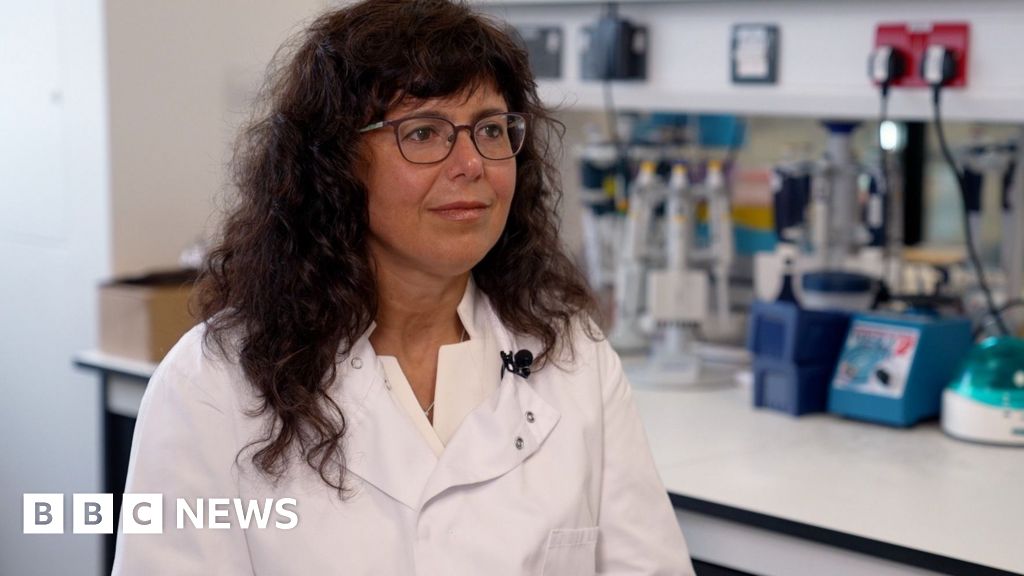
An international clinical trial is on the cusp of revolutionizing Alzheimer’s disease diagnosis, with experts hailing a simple finger-prick blood test as a potential game-changer for millions worldwide. This groundbreaking study, involving 1,000 volunteers aged over 60 across the UK, US, and Canada, aims to accurately detect the subtle biological markers, or biomarkers, associated with the debilitating neurodegenerative condition. The hope is that this accessible and less invasive method will drastically shorten the diagnostic journey, which is currently often protracted, expensive, and emotionally taxing for individuals and their families.
Dr. Michael Sandberg, a London-based General Practitioner whose personal experience with his mother’s slow decline from Alzheimer’s disease profoundly motivated his participation in the study, shared his relief after receiving a negative result. "My mother did very well on a trial and that encouraged me to take part," he told the BBC. "I believe knowledge is power and am really excited that you may be able to screen people at risk of dementia without expensive scans or needles." The prospect of early, accurate identification, especially with emerging treatments on the horizon, is paramount. For Dr. Sandberg, the negative outcome of both the traditional diagnostics and the finger-prick test brought immense solace, knowing "what my mother went through."
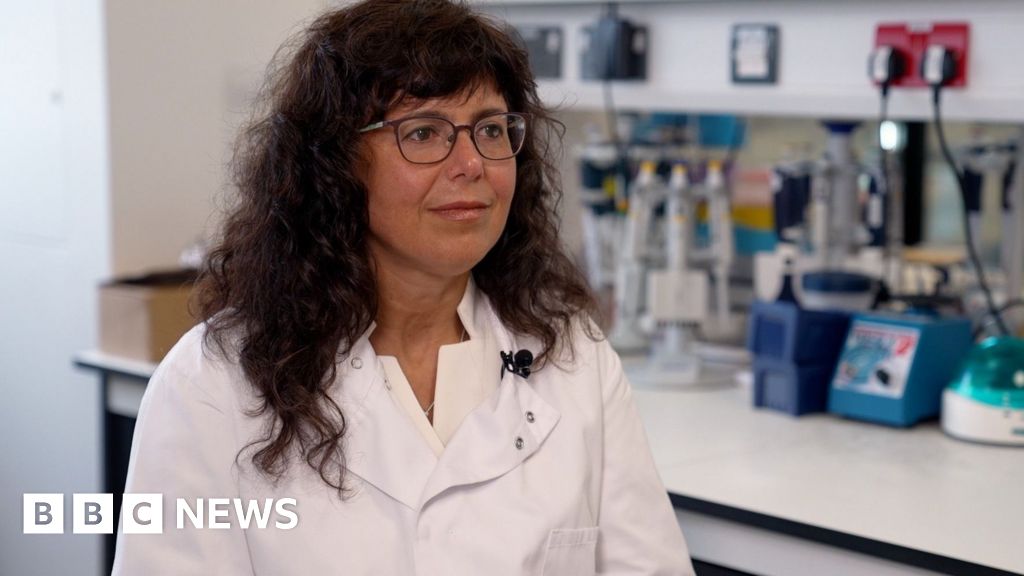
The Bio-Hermes-002 study, a collaborative effort spearheaded by the medical research charity LifeArc and the Global Alzheimer’s Platform Foundation, with crucial support from the UK Dementia Research Institute, is meticulously examining the presence of three specific proteins. These proteins, identified as blood-based biomarkers, have been strongly linked to the development of Alzheimer’s disease. Dr. Giovanna Lalli, Director of Strategy and Operations at LifeArc, explained the scientific rationale: "By analysing the concentration and the levels of these proteins, it may tell us whether a person is at risk of developing Alzheimer’s disease."
This approach is rooted in a deeper understanding of Alzheimer’s pathology. Scientific studies have revealed that aberrant proteins, namely amyloid and tau, can begin to accumulate in the brain up to 15 years before overt clinical symptoms of Alzheimer’s, the most prevalent form of dementia, manifest. Current diagnostic gold standards, while effective, present significant barriers to widespread implementation. These include specialized positron emission tomography (PET) brain scans, which utilize radioactive tracers to visualize protein deposits, and lumbar punctures, a procedure to extract cerebrospinal fluid. Both are costly, time-consuming, and inherently invasive, contributing to the fact that only approximately two out of every 100 individuals diagnosed with Alzheimer’s are offered these advanced diagnostic tools.
The potential of a finger-prick blood test to circumvent these limitations is immense. Professor Fiona Carragher, Chief Policy and Research Officer at the Alzheimer’s Society, underscored the urgency of improving diagnostic accessibility in the UK. "Getting an accurate diagnosis takes far too long," she stated. "With new treatments on the horizon, early and accurate diagnosis must be a priority for the NHS. That’s why we’re funding work to bring blood tests for dementia to the NHS, so everyone who would benefit from a diagnosis can get one quickly and accurately." The Alzheimer’s Society is actively supporting initiatives to expedite the integration of these advanced blood tests into routine NHS care.

The current trial is designed to rigorously validate the efficacy of the finger-prick test by comparing its results against these established diagnostic methods. All 1,000 volunteers are undergoing the current gold-standard tests alongside the finger-prick blood sample collection. This comprehensive approach allows researchers to directly assess the concordance and accuracy of the new biomarker detection method.
Dr. Emer MacSweeney, a neuro-radiologist at ReCognition Health, who is actively involved in recruiting UK volunteers, expressed optimism about the trial’s potential impact. "If this is successful, it provides a ubiquitous, accurate test which can detect the presence of abnormal amyloid protein in the brain without complicated, expensive investigations," she commented. The ability to screen individuals effectively without resorting to complex and costly procedures could democratize early detection and intervention.
The field of using blood biomarkers for Alzheimer’s risk assessment is experiencing rapid advancements. Last year marked a significant milestone when US regulators approved the first blood test for diagnosing Alzheimer’s disease. However, this initial approval was for a test that requires a traditional blood draw using a needle and syringe. The finger-prick test being evaluated in the Bio-Hermes-002 study offers an even greater degree of convenience and accessibility.
A key advantage of the finger-prick blood test is its potential for home use. Unlike traditional blood samples that often require immediate refrigeration, the small volume of blood collected via a finger prick could be easily mailed to a laboratory for analysis. This opens up possibilities for individuals to conduct the test in the comfort of their own homes, further reducing barriers to access and potentially enabling routine screening for older adults. The ultimate goal is to establish these blood tests as a valuable screening tool for dementia, allowing for earlier identification and proactive management.
To date, the Bio-Hermes-002 study has made substantial progress, enrolling 883 of the planned 1,000 participants, with over 360 individuals having successfully completed all required tests. The participant cohort is intentionally diverse, encompassing a mix of cognitively normal individuals, those with mild cognitive impairment, and individuals diagnosed with early-stage Alzheimer’s disease. A commitment to inclusivity is evident, with at least 25% of volunteers drawn from under-represented groups, ensuring the findings are generalizable across diverse populations. The trial is anticipated to conclude in 2028, at which point the comprehensive analysis of the collected data will provide definitive insights into the utility and reliability of this transformative finger-prick blood test for Alzheimer’s diagnosis. The findings from this study are eagerly awaited by the scientific community, healthcare providers, and individuals affected by Alzheimer’s disease, holding the promise of a brighter future for diagnosis and care.



 George Anjay
 Ramos Leo
 Nakalama John

 atisusanti