
 Roy Suryo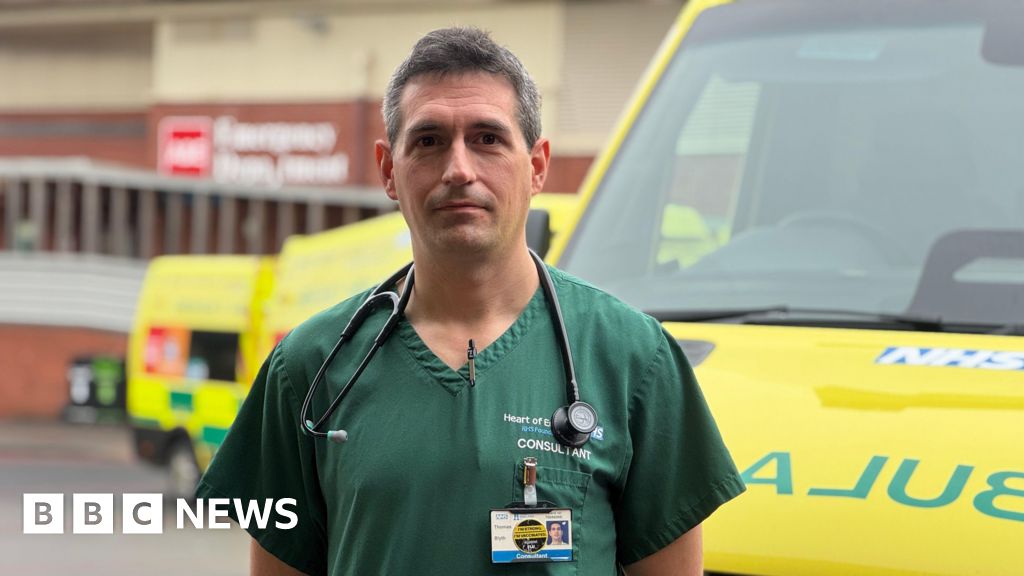
Knife amnesty bins are being strategically installed outside major hospitals in Birmingham and Sutton Coldfield, a vital initiative prompted by the alarming discovery of weapons within hospital grounds. Health workers have encountered knives in a variety of concerning locations, including hospital toilets, along public footpaths, and even in the possession of patients moments before critical medical procedures like MRI scans. Heartlands Hospital in Birmingham has already deployed a bin for the safe and anonymous disposal of blades, with further installations planned for the Queen Elizabeth Hospital in the city and Good Hope Hospital in Sutton Coldfield next week.
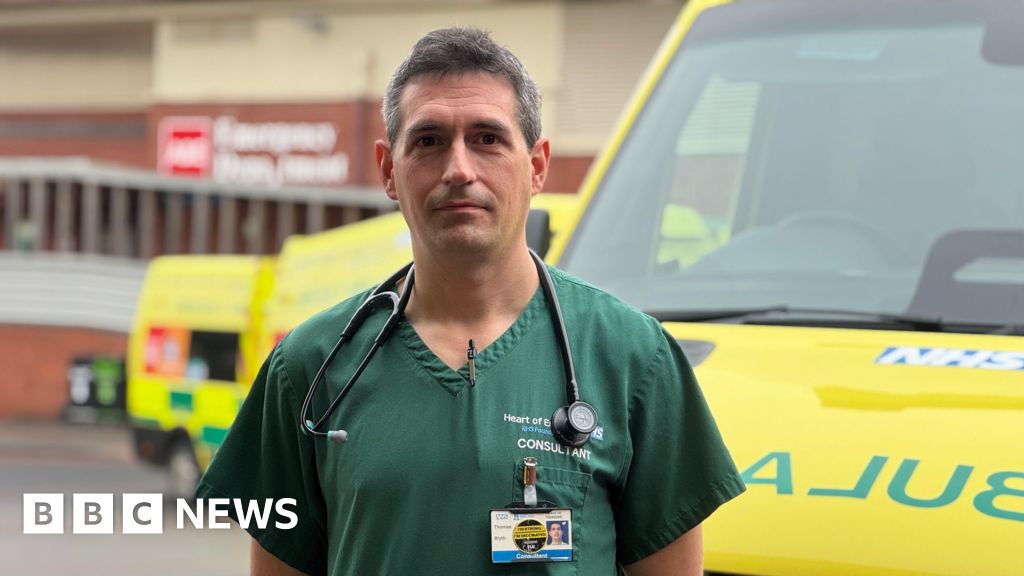
The presence of these amnesty bins is a direct response to a growing concern within healthcare settings. Tom Blyth, an emergency medicine consultant at Heartlands Hospital, articulated the rationale behind this proactive measure, stating, "People do attend the hospital carrying knives and they can sometimes be a victim of knife crime themselves." He elaborated on the dual purpose of the bins: "This offers a good opportunity for reflection, and the bin offers a chance for that person to disarm themselves and remove a knife from circulation and from the streets." This, he emphasized, directly contributes to public safety by reducing the prevalence of knives in the community and mitigating the risk of knife crime. "That reduces our anxiety, it reduces the risk of knife crime so we’re welcoming the incentive," Dr. Blyth concluded, highlighting the positive impact on both staff and the wider community.
The scale of the problem is underscored by recent discoveries. In the final quarter of 2025 alone, University Hospitals Birmingham (UHB) reported that two knives were found concealed within toilets at Heartlands Hospital. Another knife was discovered adjacent to a public footpath at the Queen Elizabeth Hospital, a stark reminder of the potential dangers lurking in and around these vital public spaces. Perhaps the most alarming incident involved a patient who voluntarily handed over a knife to a member of staff at Heartlands Hospital just as they were preparing for an MRI scan. This situation posed a significant risk, as the presence of metal objects on a patient can have severe and dangerous consequences within the powerful magnetic field of an MRI scanner.
The psychological and emotional toll of such incidents on healthcare professionals is considerable. Dr. Sa Narang, a consultant in emergency medicine and paediatric emergency medicine, expressed her deep concern: "It’s quite worrying that we have young people carrying knives and that are prepared to use those knives." She detailed the crucial role that emergency departments play in addressing the root causes and consequences of violence, explaining, "One of the key interventions we do in the children’s emergency department is try and talk to those victims and perpetrators about the impact this would have on their lives moving forward." Dr. Narang views the amnesty bins as a simple yet effective tool in this broader effort: "And if we can have one simply intervention to talk to them about it, for them to reflect on their actions, then that’s one less knife or one less victim on the streets." This sentiment underscores the belief that even seemingly small interventions can have a significant ripple effect in preventing further harm.
The issue is not confined to discreetly placed weapons. PC Luke Cooper, the dedicated hospital liaison officer for West Midlands Police at Heartlands Hospital, revealed that knives are regularly found discarded in bushes outside the emergency department. The removal of these bushes, undertaken partly due to this persistent problem, further illustrates the extent of the issue. "A number of knives were found of varying sizes that were secured by the ground staff and security here," PC Cooper stated, emphasizing the tangible evidence of the problem. He sees the new knife bin as a crucial upgrade, providing "the opportunity to dispose of a knife in a more responsible manner, rather than throwing them away into the bushes before they go into the hospital." This offers a safe and legal alternative to the dangerous practice of concealing or discarding weapons in public spaces.

The initiative has garnered support from individuals deeply affected by knife crime. Mark Brindley, whose son James was tragically killed by a stab wound in 2017, welcomed the move, describing it as both "shocking but not surprising." He drew parallels to broader societal issues, noting, "Knives are prevalent particularly in areas of high poverty and deprivation and we’re finding that across the country, not just in the West Midlands." Mr. Brindley believes that while the bins are a valuable step, they must be part of a more comprehensive strategy. "Any knife in a bin that’s been properly designed is going to help, but it has to be part of wider measures and those wider measures have to be education, not just of young people but of parents as well and communities." This perspective highlights the interconnectedness of violence prevention, emphasizing the need for education and community engagement alongside practical measures like amnesty bins.
In memory of his son, Mark Brindley established the James Brindley Foundation, dedicated to tackling youth violence. His commitment to this cause is unwavering: "We are in a position as a family where we have accepted what has happened, but we’ll never accept why it happened, and we won’t rest until we’ve made our contribution into turning this scourge of society around." His words reflect a deep-seated desire to prevent other families from experiencing similar devastation.

The funding for these crucial knife amnesty bins has been generously provided by the University Hospitals Birmingham Charity. Jonathan Brotherton, the chief executive of UHB, articulated the hospital trust’s commitment to community safety, stating, "Sadly, colleagues in our emergency departments and across our hospitals see first hand the physical and emotional damage that knife crime inflicts on local people." He expressed the hope that this initiative will contribute to a safer environment for all. "By installing these knife bins, we hope our hospitals, that are cornerstones of our communities, can play their part to reduce serious injury and fatalities." This collaborative effort between healthcare institutions, law enforcement, and charitable organizations underscores a shared determination to address the pervasive issue of knife crime and protect the communities they serve. The bins represent a tangible commitment to creating safer spaces within and around hospitals, offering a discreet pathway for individuals to disarm themselves and contribute to a reduction in violence.


 Ramos Leo
 atisusanti
 Nakalama John
 George Anjay