Nana Banana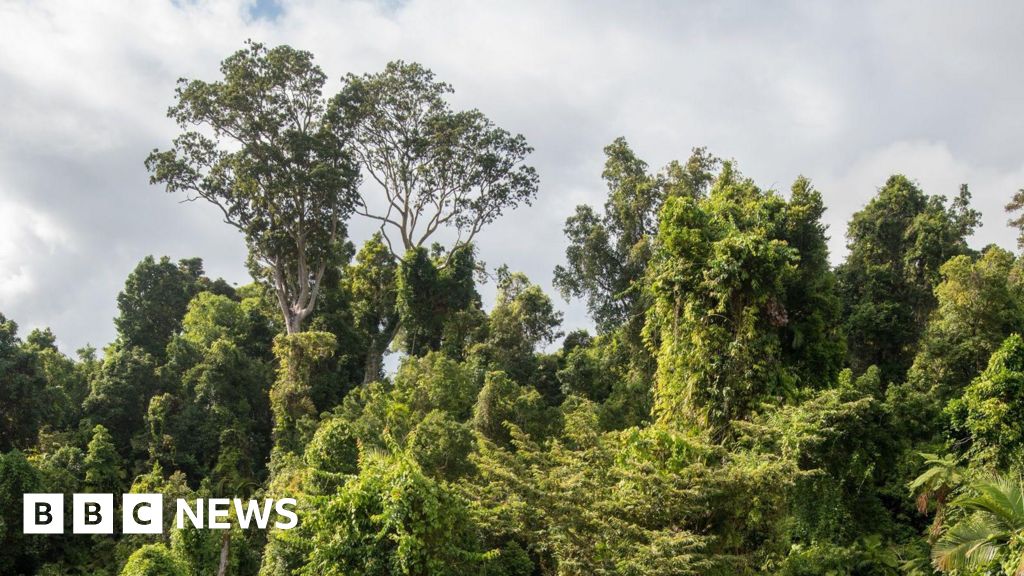
Typically, tropical rainforests operate as robust carbon sinks, diligently sequestering vast quantities of atmospheric carbon dioxide. This natural process occurs as new trees grow, absorbing carbon through photosynthesis, thereby offsetting the carbon released into the atmosphere by the decomposition of older, dead trees. This delicate equilibrium has historically ensured a net uptake of carbon, making rainforests indispensable allies in the fight against global warming. However, the comprehensive study, which meticulously analysed nearly five decades of data from 20 distinct forest plots across Queensland, Australia, reveals a disturbing disruption to this vital balance. Researchers found that a discernible increase in extreme temperatures, coupled with heightened atmospheric dryness and prolonged drought conditions, has tipped the scales, leading to an accelerated rate of tree mortality that now significantly outpaces new growth.
Dr. Hannah Carle, the lead author of the study from Western Sydney University, underscored the gravity of these findings. "Current models may overestimate the capacity of tropical forests to help offset fossil fuel emissions," she stated, highlighting the critical need for a re-evaluation of global climate projections and mitigation pathways. The implications are far-reaching, challenging fundamental assumptions embedded within international climate policy, which often factor in the carbon sequestration potential of forests as a significant component of achieving net-zero targets. If the world’s rainforests, once reliable carbon absorbers, are now becoming net carbon sources, the global carbon budget tightens dramatically, necessitating even more aggressive cuts to anthropogenic emissions.
The study pinpoints a crucial turning point approximately 25 years ago, when the accumulated mass of dead trees – known as woody biomass – began to shift from its role as a carbon reservoir to an active emitter. While living trees actively store carbon in their trunks, branches, and roots, the decomposition of dead woody biomass releases this stored carbon back into the atmosphere as carbon dioxide and methane. With fewer new trees growing to replace the deceased, the equilibrium was irrevocably broken. Dr. Carle further elaborated on this alarming trend, stating, "Forests help to curb the worst effects of climate change by absorbing some of the carbon dioxide released from burning fossil fuels, but our work shows this is under threat." She unequivocally linked the observed increase in tree mortality over recent decades to the intensifying effects of climate change, specifically citing more extreme temperatures, persistent atmospheric dryness, and recurrent drought conditions as primary drivers. These environmental stressors weaken trees, making them more susceptible to disease, pest infestations, and ultimately, death.
Beyond the insidious creep of rising temperatures and aridity, the report also identified another potent and increasingly destructive force: the escalating frequency and severity of tropical cyclones. Based on the 49 years of data collected from the Queensland forests, researchers observed a marked rise in both the occurrence and intensity of these powerful storm systems. Cyclones inflict immediate and catastrophic damage, felling mature trees, stripping canopies, and causing widespread defoliation. The sheer force of these events not only kills established trees but also disrupts the delicate soil structure, leading to erosion and making it significantly harder for new seedlings to take root and grow. This dual assault – from chronic climate stress and acute extreme weather events – is proving too much for these ancient ecosystems to withstand.
"We have in this study evidence that Australia’s moist tropical forests are the first of their kind globally to exhibit this [woody biomass] change," Dr. Carle declared, emphasizing the uniqueness and significance of the Australian findings. She likened the situation to a "canary in the coal mine," a potent metaphor suggesting that Australia’s rainforests may be an early indicator of a looming crisis that could soon affect other tropical forest regions worldwide. This early warning from the Australian continent, which hosts some of the world’s oldest continuously surviving tropical rainforests, provides invaluable, albeit concerning, insight into the potential trajectory of similar ecosystems in the Amazon, the Congo Basin, and Southeast Asia. These vast forest complexes are also experiencing unprecedented environmental pressures, and the Australian study offers a chilling preview of their potential future.
Senior author Patrick Meir echoed these concerns, describing the results as "very concerning." In an interview with news agency AFP, Meir posited that it was "likely that all tropical forests [would] respond fairly similarly" to the escalating impacts of climate change. He cautioned, however, that more comprehensive data and extensive research would be essential to make a definitive assessment across all global tropical forest biomes. The collaborative nature of such studies, involving a deep dive into historical data and long-term ecological monitoring, underscores the scientific rigor behind these alarming conclusions.
The findings place additional pressure on Australia, a nation frequently criticised for its per capita carbon emissions and its persistent reliance on fossil fuels. Australia recently unveiled its updated carbon reduction targets, pledging to cut emissions by at least 62% compared to 2005 levels over the next decade. While this represents a significant increase in ambition from previous targets, the scientific community and international observers continue to scrutinise the country’s broader climate policy. This scrutiny is intensified by the Australian government’s recent decision to allow one of the country’s largest gas projects, Woodside’s North West Shelf, to continue operating for another 40 years. Such decisions highlight the complex interplay between economic interests, energy security, and environmental stewardship, often at odds with the urgent demands of climate action.
Adding to the growing body of evidence, a separate report released just last month into the impact of climate change on Australia revealed that the country has already experienced warming exceeding 1.5 degrees Celsius above pre-industrial levels. This report starkly warned that no community across the continent would be immune from "cascading, compounding and concurrent" climate risks, ranging from intensified bushfires and floods to prolonged droughts and heatwaves. The newfound status of Australia’s rainforests as net carbon emitters serves as a potent and tangible example of these cascading risks, demonstrating how climate change is actively degrading natural systems that are supposed to protect us from its worst effects.
The unique biodiversity of Australia’s Wet Tropics, a UNESCO World Heritage site, further amplifies the gravity of these findings. Home to an extraordinary array of endemic plant and animal species, many of which are ancient lineages with Gondwanan origins, the degradation of these rainforests through increased tree mortality and altered ecological processes threatens irreversible biodiversity loss. This profound ecological unraveling, driven by human-induced climate change, underscores the urgent need for a paradigm shift in global environmental policy and individual actions. The canary in Australia’s coal mine is singing a dire warning, demanding immediate and decisive action to safeguard not only the future of these invaluable ecosystems but also the delicate balance of the planet’s climate system. The time for re-evaluation and intensified effort is now, before other critical natural carbon sinks follow suit, pushing the world closer to irreversible climate tipping points.


 Ramos Leo
 Nakalama John
 George Anjay