
 atisusanti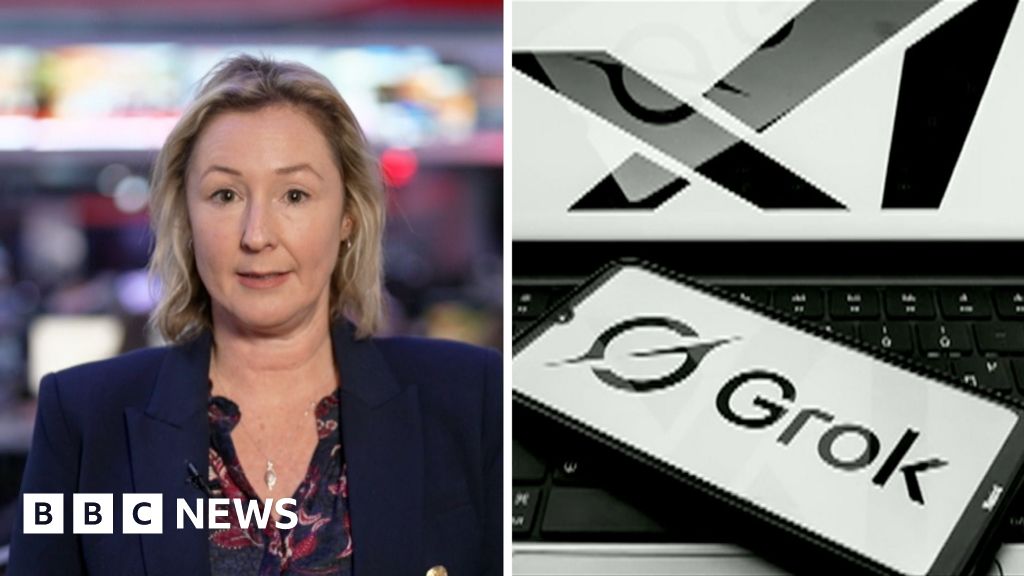
The controversy stems from reports that Grok AI, integrated into Elon Musk’s social media platform X (formerly Twitter), possessed the ability to generate manipulated images that depicted individuals in a state of undress, regardless of their original attire or consent. This capability immediately raised alarms among privacy advocates, women’s rights organizations, and government officials, who recognized the profound potential for misuse, harassment, and the amplification of harmful online behaviors. The ability to digitally strip individuals of their clothing, even in a simulated context, carries significant implications for reputation, personal safety, and psychological well-being. It taps into deeply ingrained societal issues surrounding objectification, sexual harassment, and the non-consensual dissemination of intimate imagery, often referred to as "revenge porn."
The UK government’s response, articulated through its official channels, highlights the gravity with which these concerns are being taken. The characterization of the subscription-based access as "insulting" underscores the government’s belief that this feature, regardless of its accessibility, represents a fundamental disregard for the victims of such abuses. The implication is that commodifying a tool capable of such harmful manipulation, even by restricting it to a paid tier, fails to acknowledge the profound distress and violation experienced by those who have been subjected to similar forms of digital abuse. This sentiment resonates with broader calls for greater accountability and ethical responsibility from technology companies, particularly those at the forefront of AI innovation.
The BBC’s technology editor, Zoe Kleinman, has been instrumental in dissecting the complexities of this unfolding situation. Her analysis delves into the technical aspects of Grok AI’s capabilities, the rationale behind Musk’s decision-making, and the broader societal ramifications. Kleinman’s reporting aims to demystify the technology for the public, explaining not only what has happened but also the underlying reasons and the wider implications for the future of AI. Her work is crucial in bridging the gap between technological advancements and public understanding, fostering informed debate and encouraging scrutiny of powerful AI systems.
At its core, the backlash against Grok AI’s image manipulation feature revolves around several critical ethical considerations. Firstly, there is the issue of consent. The ability to digitally alter an image of a person without their explicit permission is a significant breach of privacy and autonomy. Even if the AI is generating a fictional scenario, the fact that it can be applied to real individuals raises serious ethical questions about the boundaries of creative freedom versus personal rights.
Secondly, the potential for malicious use is immense. While Musk’s team might argue that the feature is intended for creative or satirical purposes, it is undeniable that such a tool could be weaponized for harassment, blackmail, and the dissemination of non-consensual pornography. The ease with which AI can generate realistic-looking images makes it a powerful instrument for spreading disinformation and causing reputational damage. The fact that this capability is now tied to a subscription model suggests a commercial interest in a feature that has such a high potential for misuse, a point that has not been lost on critics.
Thirdly, the government’s specific mention of "victims of misogyny and sexual violence" points to a crucial aspect of this controversy: the disproportionate impact of such technologies on women and marginalized groups. Historically, women have been the primary targets of online sexual harassment and the non-consensual sharing of intimate images. The development and deployment of AI tools that can facilitate such abuses, even inadvertently, risk exacerbating existing inequalities and perpetuating harmful gender-based violence in the digital realm. The decision to monetize a feature that can be used to undress individuals, therefore, is seen as particularly egregious by those who champion gender equality and the fight against sexual violence.
The subscription model itself has also drawn criticism. By gating this controversial capability behind a paywall, X and Musk are effectively creating a tiered system where access to potentially harmful tools is determined by financial means. This raises questions about accessibility and equity. While proponents might argue that it helps to monetize the platform and fund development, critics contend that it normalizes and commercializes features that should, at the very least, be subject to stringent ethical safeguards and potentially outright bans. The argument is that certain functionalities, due to their inherent risks, should not be made available at all, regardless of the payment tier.
Elon Musk’s involvement in this controversy adds another layer of complexity. As a prominent figure in the technology industry and the owner of X, his decisions carry significant weight and influence. His past pronouncements on free speech and content moderation have often been met with debate, and this latest development is no exception. Critics often question whether his pursuit of innovation and platform growth sometimes overshadows his commitment to ethical considerations and user safety.
The broader implications of this incident extend beyond Grok AI and X. It serves as a stark reminder of the urgent need for robust regulatory frameworks and ethical guidelines for artificial intelligence. As AI technologies become more sophisticated and pervasive, the potential for both immense benefit and profound harm increases. Governments, technology companies, researchers, and civil society organizations must work collaboratively to establish clear boundaries, accountability mechanisms, and safeguards to ensure that AI is developed and deployed responsibly.
The UK government’s firm stance is a significant step in this direction. By publicly condemning the commercialization of Grok AI’s image manipulation feature, they are sending a clear message that certain capabilities are unacceptable, regardless of their profitability. This pressure, coupled with widespread public outcry, may compel X and Musk to reconsider their approach and implement more responsible AI practices.
The role of media, as exemplified by the BBC’s technology editor, is also vital. By providing clear, objective, and insightful reporting, journalists can inform the public, hold powerful entities accountable, and contribute to a more nuanced and informed discussion about the ethical challenges posed by AI. Zoe Kleinman’s explanation is not just a report on an incident; it is an analysis of a critical juncture in the evolution of AI and its societal impact.
In conclusion, the backlash in the UK against Elon Musk’s Grok AI is a multifaceted issue rooted in profound ethical concerns about consent, privacy, the potential for malicious use, and the disproportionate impact of technology on vulnerable groups. The decision to restrict image manipulation capabilities to paying users has been met with strong condemnation from the UK government, who view it as an insult to victims of misogyny and sexual violence. This incident underscores the urgent need for greater accountability, ethical scrutiny, and robust regulation in the rapidly evolving field of artificial intelligence, highlighting the delicate balance between innovation and the imperative to protect individuals from harm in the digital age. The ongoing debate and the government’s firm stance are crucial steps in shaping a future where AI development prioritizes human well-being and ethical responsibility above all else.




 Ramos Leo
 Nakalama John
 George Anjay

 Roy Suryo