Nana Banana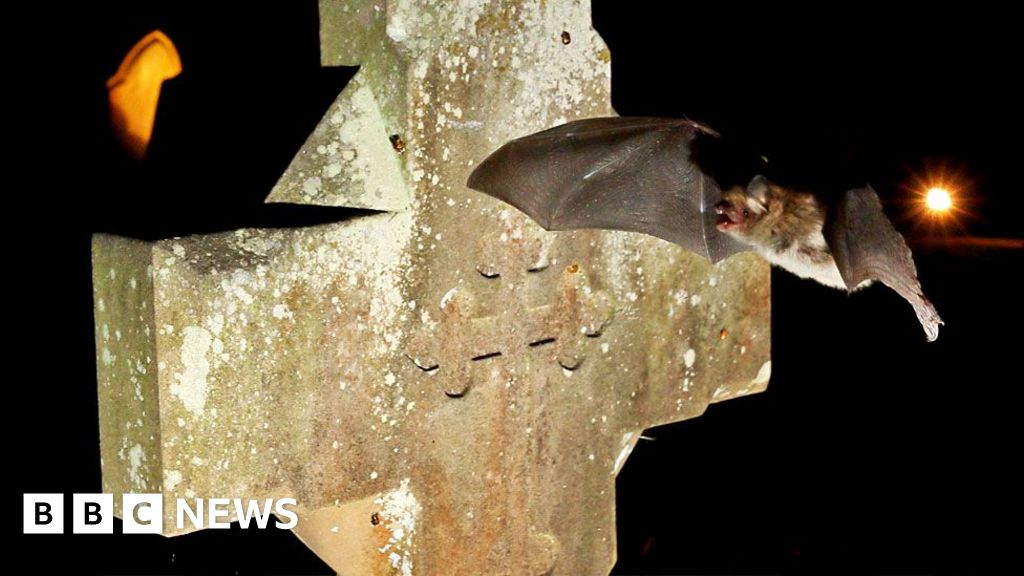
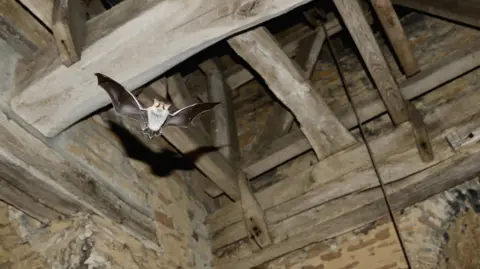
Soon, the historic edifice awakens with the subtle flutter of wings. Bats begin to emerge from their hidden roosts, darting and swooping through the aisles, their amplified chatter filling the hallowed space. This intricate dance between ancient architecture and protected wildlife is at the heart of the "Bats in Churches Project," an initiative aimed at understanding and mitigating the challenges of this unique cohabitation. Diana Spencer, representing the project, highlights the deep historical connection: "Many of these churches have been on these sites for probably 1,000 years, and probably as long as they’ve been standing they’ve had bats in them."
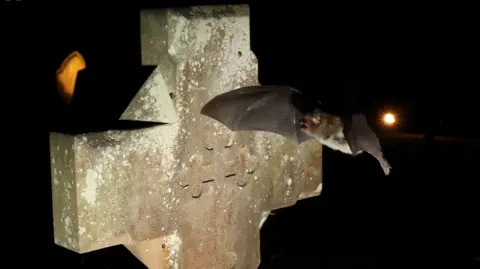
A groundbreaking new study, recently published in the British Ecological Society’s journal People & Nature, underscores the critical role these venerable structures play for nocturnal animals. The research, which drew upon extensive citizen science surveys spearheaded by the Bat Conservation Trust, reveals that an astonishing half of all churches in England—amounting to over 8,000 buildings—currently house bat colonies. This figure escalates even further, to approximately 80%, for older, more historically significant churches. Spencer aptly describes these buildings as "basically like a man-made forest," offering an abundance of "little nooks and crannies where they can roost, big open flight spaces, dry spaces inside, away from the rain, where they can fly around. It is really just an absolutely perfect environment." These architectural features, from intricate timber roofs to secluded belfries, provide ideal conditions for maternity roosts, hibernation sites, and safe havens away from predators and harsh weather.
At Guestwick, two primary species have made the church their home: the Common Pipistrelle and the Natterer’s bat, both preferring to roost high within the intricate rafters. The Common Pipistrelles, known for their agile flight, are typically the first to emerge. After a few minutes of acrobatic flight inside, they deftly squeeze through minute gaps around the church door, venturing out into the night to hunt insects. The Natterer’s bats, distinguished by their preference for enclosed spaces, make their appearance slightly later, choosing to exit through small, often overlooked holes in the roof to commence their foraging. Without the aid of advanced infrared and thermal cameras, these swift, dark creatures are virtually impossible to detect, blending seamlessly into the ambient darkness. Indeed, the study revealed that approximately one-third of the surveyed churches were entirely unaware of their resident bat populations, a testament to the animals’ stealth and the limitations of human observation.
However, in other churches, the presence of these winged inhabitants is far from subtle. While appreciated for their ecological value, bats can prove to be exceptionally messy houseguests, leading to significant challenges for church communities. Graeme Peart, responsible for the upkeep of St Margaret’s Church in Saxlingham, just a few miles from Guestwick, articulates the dilemma succinctly: "They’re lovely, but they’re problematic too." He recounts how the bats began to pose a considerable nuisance about 15 years ago. The persistent accumulation of guano (bat droppings) and urine caused extensive damage. "One time there was a carpet leading up to the altar that became absolutely sodden with urine and droppings and had to be thrown away," Peart laments, also noting the irreparable destruction of valuable brass work within the church. This constant battle against biological waste demands significant resources and effort from dwindling parish funds and volunteer hours, creating a tangible conflict between wildlife protection and the preservation of irreplaceable cultural heritage.
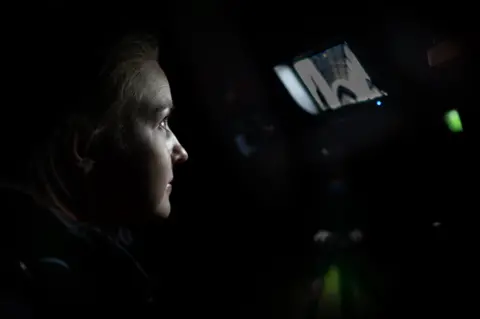
The legal framework surrounding bats in the UK further complicates matters. Under the Wildlife and Countryside Act 1981, all bat species are legally protected, making it generally impossible to simply remove them from a building. This necessitates finding creative, co-existence solutions. St Margaret’s Church, in collaboration with the Bats in Churches team, embarked on an ambitious project: the construction of a sealed-off loft conversion directly above the vestry. Ecologist Phillip Parker, demonstrating the innovative solution, explains its core principle: "The idea is that the bats that are in the main body of the church will live in here, rather than in the church itself." This purpose-built bat sanctuary is equipped with state-of-the-art CCTV cameras, allowing the team to continuously monitor the bats’ behaviour without disturbance. "What we have found is certain weeks during the year there’ll be a hundred bats in here, and then suddenly they will disappear," Parker reveals. "We don’t know where they go, but they disappear for about 10 days, and then they’ll come back again. And without the CCTV, we never knew that." This monitoring provides invaluable insights into bat ecology, including migratory patterns and roost preferences, which were previously unknown.
Such a significant construction project, however, requires substantial investment of time, effort, and, crucially, money. The new bat loft at St Margaret’s, along with the ongoing monitoring efforts, has incurred costs of approximately £50,000. This funding has been secured through vital contributions from the Heritage Lottery Fund and various other conservation partners, highlighting the collaborative nature of these complex projects. Diana Spencer emphasizes that not all solutions need to be this costly or extensive. She points to a range of more affordable interventions and notes that grants are readily available from organizations like the Bat Conservation Trust to assist churches. "On a simple level, you can use sheets or covers over areas where things might be damaged. You can put wax coating on things like brass so that the urine doesn’t damage it," she advises. Spencer strongly recommends that any individual or institution encountering bats in a building should contact the National Bat Helpline for expert advice and support, ensuring that both the bats and the buildings are protected appropriately.
Indeed, the phenomenon of bats seeking sanctuary in churches appears to be on the rise, driven by broader environmental pressures. As Spencer points out, bats are experiencing significant habitat loss across the landscape. "They’re losing lots of habitat – lots of woodland," she explains. Furthermore, modern building practices, aimed at making homes "warmer, more airtight," inadvertently reduce the availability of suitable roosting sites. In this context, the ancient, often undisturbed nooks and crannies of churches become increasingly vital refuges for these vulnerable creatures.
The ongoing challenges are leading to a gradual but significant shift in perception among church communities. What was once seen purely as an "unholy mess" is increasingly being viewed through the lens of conservation and community engagement. Some parishes are now embracing their bat populations, transforming them from a trick into a treat. "We regularly see churches having bat nights and bat events," Spencer notes with enthusiasm. These events serve a dual purpose: they are "a really, really good way of reaching people, particularly in the local community, who might not come into a church for a service or prayer, but they’ll come in to watch the bats, because people find them really, really fascinating." This evolving dynamic highlights a potential path towards harmonious coexistence, where historic buildings not only preserve human heritage but also play a critical role in safeguarding biodiversity, fostering a unique blend of faith, history, and natural wonder.



 George Anjay

 Ramos Leo
 Nakalama John