Ramos Leo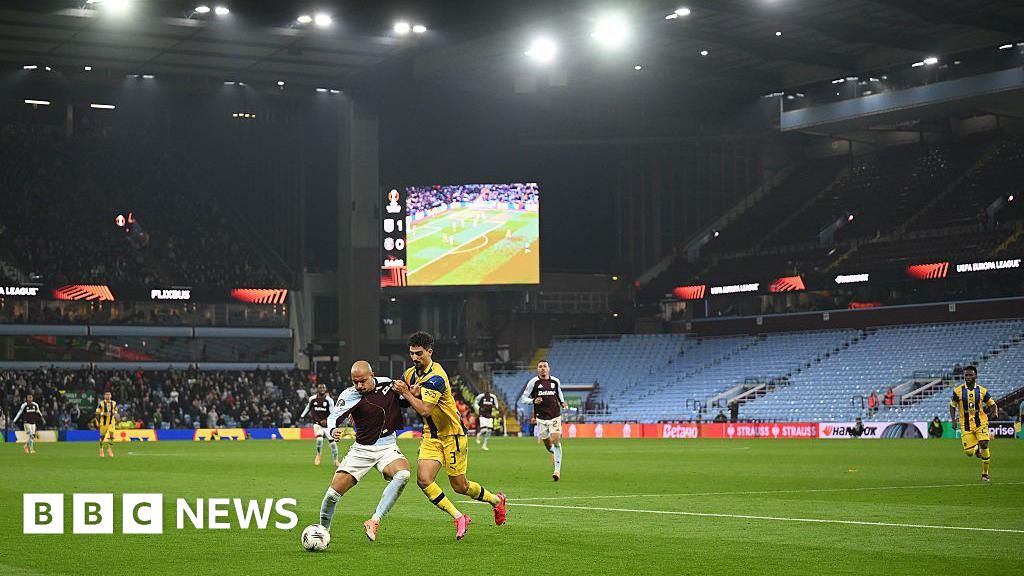
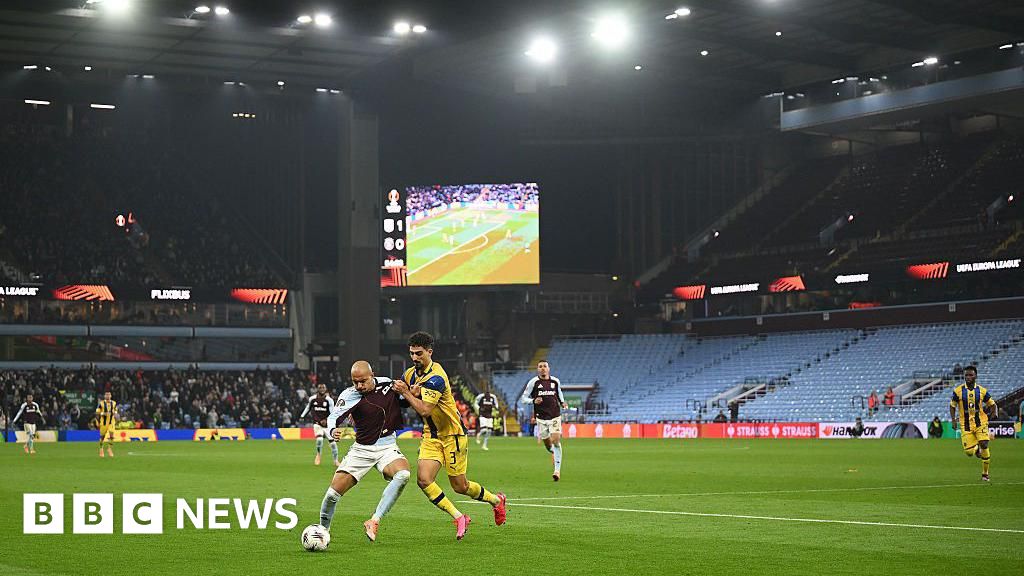
Birmingham’s council leader, John Cotton, has been formally summoned to provide oral evidence before the influential Home Affairs Committee in Parliament. This development marks a significant escalation in the ongoing controversy surrounding the decision to prevent Maccabi Tel Aviv fans from attending a Europa League fixture against Aston Villa at Villa Park in November. The parliamentary scrutiny aims to dissect the rationale behind the ban, which has drawn widespread criticism and allegations of antisemitism.
The Home Affairs Committee is rigorously examining the actions of both West Midlands Police and Birmingham City Council’s safety advisory group (SAG). Their collective decision to prohibit away supporters from the match on November 6th sparked a national outcry, with prominent political figures, including Prime Minister Sir Keir Starmer, voicing their disapproval. Several senior Members of Parliament went further, suggesting the ban might constitute an act of antisemitism, given the specific target of the prohibition.
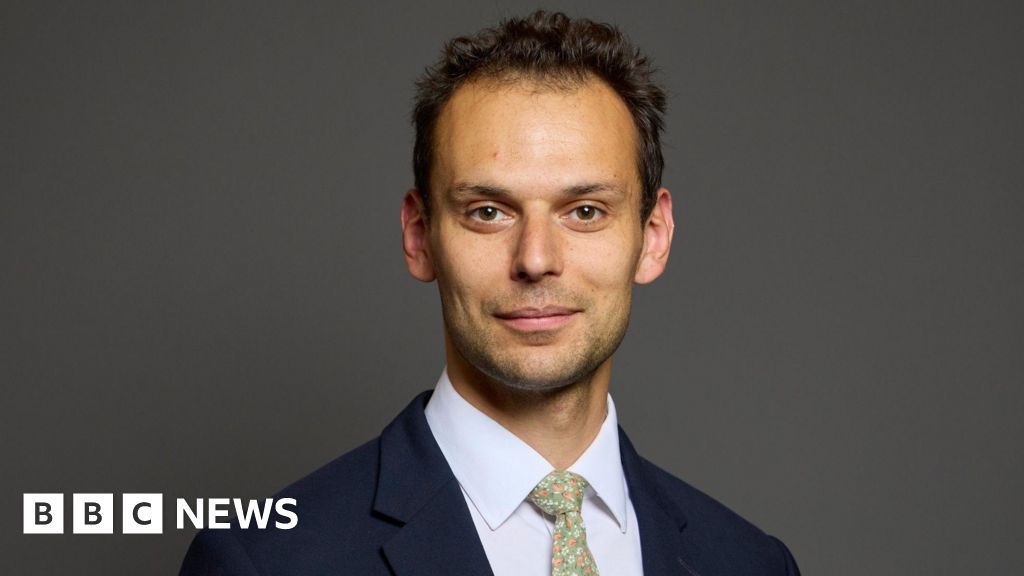
Councillor Cotton, alongside the council’s executive director of city operations, Richard Brooks, and director of law and governance, Anthony Cox, is slated to appear before the committee following the next appearance of West Midlands Police Chief Constable Craig Guildford on January 6th. This joint appearance underscores the shared responsibility and the multi-agency nature of the SAG’s decision-making process.
In statements to Birmingham Live, Councillor Cotton revealed his personal reservations about the ban, indicating he had advised police against it. "I made my position very clear to the chief constable [before the ban was confirmed]," Cotton was quoted as saying. He elaborated on his concerns, stating, "I was advised that this would be the advice the police were giving and I was clear that, though I do not interfere with police operational decisions, I did say that I thought this would have very negative consequences for Birmingham and sent a message out around what kind of city we are and how welcoming we are." This highlights a potential divergence in opinion between the council leader and the police’s operational assessment, adding another layer of complexity to the inquiry.
Further insights into the council’s perspective and the SAG’s internal processes emerged through a letter published on Tuesday to the Home Affairs Committee chair, Conservative MP Karen Bradley. In this correspondence, Richard Brooks included minutes from three pivotal SAG meetings pertinent to the fixture. Brooks acknowledged the learning curve for the council and the SAG from the controversial incident. "The 6 November 2025 Aston Villa v Maccabi Tel Aviv match was obviously one from which the SAG and the council learnt a great deal," he wrote. He also committed the council and the SAG to commissioning "a formal process of independent forward-looking review undertaken by an external law firm to ascertain what can be improved from a governance perspective." This commitment to an independent review suggests an acknowledgment of procedural shortcomings or at least a desire for greater transparency and improved future decision-making frameworks.
Chief Constable Craig Guildford of West Midlands Police has also been at the forefront of the inquiry, providing initial details about the intelligence that purportedly led to the ban. The police notes, cited in Brooks’ letter, contained a series of allegations concerning Maccabi Tel Aviv fans. These fans were described as "well organised" and were alleged to have "received military training," a reference to Israel’s policy of mandatory conscription. This training, the notes claimed, contributed to "such was the organisation in which they were able to mobilise, follow direction."
The intelligence further detailed alleged incidents involving Maccabi fans, including claims of Muslim taxi drivers being pulled from vehicles and assaulted, Palestinian flags being pulled down and set alight, and the singing of anti-Muslim and anti-Gaza songs. A particularly concerning incident referenced was a march through Amsterdam, where people were reportedly thrown into a river, and Maccabi fans were said to be "prepared to confront and fight officers." The police notes also suggested that on the day of the fixture, there was a "national mobilisation of Muslim youths" travelling to the capital "seeking retribution." Additionally, alleged hit-and-run incidents on Maccabi fans were mentioned, along with the deployment of approximately 2,000 Dutch police officers to manage the ensuing disorder. These detailed claims formed the core of the police’s justification for the pre-emptive fan ban, painting a picture of significant public order risks.

However, the veracity of these claims has been robustly challenged. Lord Mann, the government’s independent adviser on antisemitism, appeared before the same committee earlier in December and described a number of these police claims as "inaccurate." Lord Mann argued that some of West Midlands Police’s evidence "conflated" different incidents and exaggerated their scale. He specifically countered the police’s assertion of multiple incidents against taxi drivers, stating there was only one such reported case. Similarly, he clarified that Maccabi fans had pulled down only one flag the night before the Amsterdam game, not several.
Further casting doubt on the police’s intelligence, a report in The Times newspaper revealed that the national Dutch police force was "surprised" by some of the claims attributed to Dutch law enforcement by their British counterparts. Sebastiaan Meijer, a spokesman for the Dutch police, directly refuted the characterisation of Israeli fans as "organised" and "experienced fighters" prepared to confront police, stating, "Amsterdam police does not recognise the claim." He also clarified that the only known case of someone being thrown into a river related to a man who appeared to be a Maccabi Tel Aviv fan, implying it was not a widespread act by the fan base against others. The accumulation of these counter-arguments led Shadow Home Secretary Chris Philp to call for government accountability for West Midlands Police, telling the Commons that the claim about Maccabi fans being "skilled and organised fighters" was "just made up."
Beyond the intelligence gathering, the handling of community relations also became a point of contention. Chief Constable Guildford addressed previous comments made by Assistant Chief Constable (ACC) Mike O’Hara during an earlier committee meeting, which seemed to imply that members of the Jewish community had agreed with the ban. Guildford clarified that his deputy had sought to state that feedback from a community impact assessment indicated "there were a range of faiths, backgrounds and ethnicities that were very concerned about this fixture." The Chief Constable confirmed that, prior to the decision being communicated, there was no documented feedback from Jewish representatives expressing explicit support for the ban.
Nevertheless, Guildford added a nuance to this position, stating: "Since the session took place, ACC O’Hara has been approached by members of the Jewish community who expressed that they agree with the SAG decision." He further explained, "Understandably, many community members chose to share their views privately, offering their support in confidence." He stressed the force’s "strong and positive relationships with the local Jewish community" and revealed that ACC O’Hara had clarified his position via email when contacted by Ruth Jacobs, chair of the Birmingham and West Midlands Jewish Community. This apology, Guildford noted, "was very graciously accepted and subsequently shared with the community." This attempt to mend fences highlights the sensitive nature of the decision and its impact on community trust.

The Home Affairs Committee, chaired by Karen Bradley MP, plays a critical role in scrutinising the government and its agencies. Its ongoing inquiry into this specific fan ban underscores the serious implications of such decisions, particularly when they touch upon issues of national security, public order, and potential discrimination. The committee’s mandate allows it to call witnesses, review evidence, and ultimately make recommendations to the government, potentially leading to changes in policy or practice regarding how such high-stakes events are managed in the future.
The controversy surrounding the Aston Villa-Maccabi Tel Aviv match is a stark reminder of how geopolitical tensions can spill over into sporting events, challenging local authorities and police forces to maintain public order while upholding principles of fairness and non-discrimination. The balance between proactive security measures and avoiding blanket prohibitions based on potentially flawed intelligence remains a delicate act. As the inquiry continues, all eyes will be on the evidence presented by Birmingham City Council and West Midlands Police, as the outcome could set a significant precedent for future international fixtures involving teams from regions embroiled in political conflict. The need for clear, accurate, and unbiased intelligence, coupled with transparent and accountable decision-making processes, has been brought sharply into focus by this contentious incident.



 George Anjay
 Roy Suryo
 atisusanti
 Nakalama John