
 George Anjay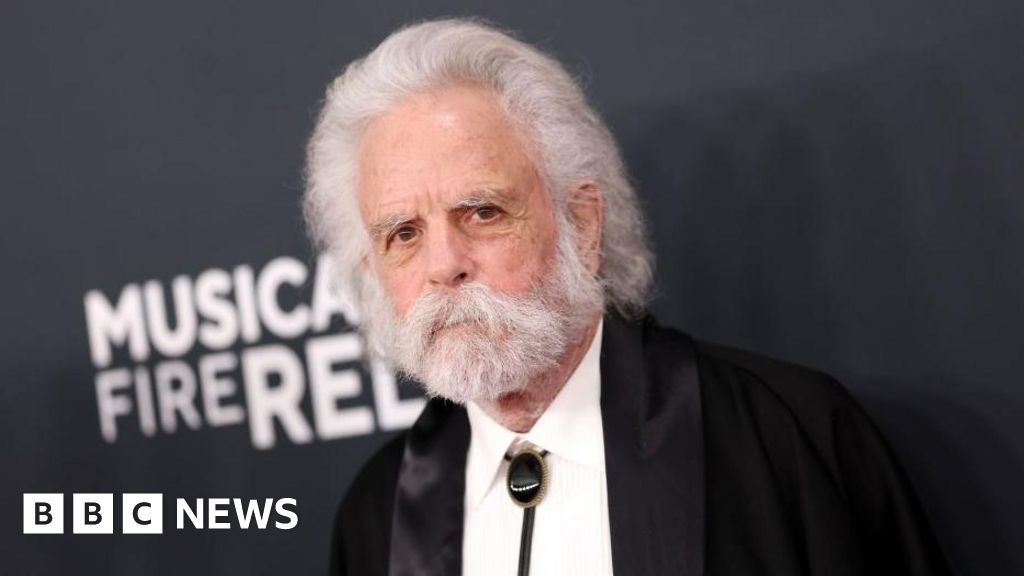
Bob Weir, a foundational figure in the tapestry of American rock music and a co-founder of the legendary Grateful Dead, has passed away at the age of 78. His departure marks the end of an era for legions of devoted fans, known as "Dead Heads," who have been captivated by his distinctive guitar work, songwriting prowess, and enduring spirit for over six decades. The news, shared via a poignant post on his official Instagram account, revealed that Weir succumbed to complications arising from a battle with cancer and lung issues, a testament to his unwavering commitment to his art even in the face of profound personal challenges. The posthumous message, imbued with Weir’s characteristic philosophical outlook, offered a comforting perspective on his transition: "There is no final curtain here, not really. Only the sense of someone setting off again." This sentiment underscores his lifelong dedication to the continuous evolution of his music and his fervent hope that his extensive catalogue would continue to resonate and inspire future generations. The post further elaborated on his peaceful passing, stating he "transitioned peacefully, surrounded by loved ones," a gentle culmination to a life lived fully in the public eye yet deeply connected to his personal circle.
Weir’s vision for his artistic legacy was expansive and forward-looking. "He often spoke of a three-hundred-year legacy, determined to ensure the songbook would endure long after him," the post revealed. This ambitious aspiration speaks volumes about his dedication to preserving and propagating the unique sound and ethos of the Grateful Dead, a mission he tirelessly pursued throughout his life. The hope is that this dream will indeed "live on through future generations of Dead Heads," ensuring the continued vibrancy of the music that has touched so many lives.
Born Robert Hall Weir on October 16, 1946, in San Francisco, California, Weir’s journey into the heart of psychedelic rock began in earnest with the formation of the Grateful Dead in 1965. This seminal group, alongside fellow luminaries like Jerry Garcia, Phil Lesh, Bill Kreutzmann, Mickey Hart, and Ron "Pigpen" McKernan, rapidly ascended to become an emblematic force within San Francisco’s burgeoning counterculture scene. Within a remarkably short span, their distinctive musical alchemy began to redefine the landscape of rock music. They masterfully blended the mind-expanding sonic textures of psychedelia, deeply intertwined with the experimental spirit of the 1960s drug culture, with deeply rooted musical traditions that fused folk sensibilities with the rich heritage of Americana. This innovative fusion cemented their status as pioneers of the improvisational "jam band" genre, a style characterized by extended musical explorations and a profound connection between the musicians on stage and their audience.
The Grateful Dead’s profound impact on popular culture was officially recognized with their induction into the Rock and Roll Hall of Fame in 1994, a testament to their enduring influence and seminal contributions to the art form. Further acknowledgment came in 2007 when they were honored with a Lifetime Achievement Award by the Grammy Awards, celebrating their unparalleled career and the indelible mark they left on the music industry. The official dissolution of the Grateful Dead as a cohesive unit came in 1995, a somber period marked by the tragic death of their charismatic frontman and fellow co-founder, Jerry Garcia. However, Weir’s creative spirit remained unquenched. He continued to explore new musical avenues and maintain connections with the Grateful Dead’s vast fanbase through various spin-off projects. Among these, Dead & Company, formed in 2015, saw Weir collaborating with other esteemed musicians, including John Mayer, Oteil Burbridge, Jeff Chimenti, and Bill Kreutzmann. This iteration of the Grateful Dead family achieved a significant cultural moment with its highly anticipated residency at the futuristic Las Vegas Sphere in 2024 and 2025, showcasing the continued relevance and appeal of the band’s music.
Weir’s personal journey through his final months was characterized by remarkable resilience and an unwavering dedication to his passion. He was diagnosed with cancer in July, yet even as he underwent treatment, he found the strength and determination to continue performing. The Instagram post eloquently described these performances, noting, "Those performances, emotional, soulful, and full of light, were not farewells, but gifts." This perspective highlights his profound artistry and his innate ability to transform his personal struggles into acts of creative expression and connection. The post further elaborated on his fighting spirit: "Another act of resilience. An artist choosing, even then, to keep going by his own design." While he had previously beaten cancer, the exact type of cancer he was diagnosed with in July remains undisclosed, a private detail respected by his loved ones.
His family, including his wife Natascha, and daughters Shala and Chloe, have requested privacy during this period of immense grief. However, they expressed their deep appreciation for the "outpouring of love, support, and remembrance" from fans and colleagues worldwide. This collective outpouring of affection is a clear indication of the profound impact Bob Weir had on countless individuals, both personally and through his music.
Tributes from the music world began to flood in late on Saturday, a testament to Weir’s widespread influence and the deep respect he commanded among his peers. The iconic Empire State Building in New York City, a landmark that has illuminated for countless significant moments, paid a unique and fitting tribute to the rock legend by shining with tie-dye colors, a vibrant and symbolic nod to the Grateful Dead’s aesthetic and ethos. This visual homage underscored the Grateful Dead’s enduring place in the American cultural consciousness.
Among the many heartfelt tributes, Slash, the renowned guitarist for Guns N’ Roses, shared a poignant image of Weir performing on stage, accompanied by a simple yet profound "RIP" and a broken-heart emoji, conveying a shared sense of loss within the guitar-playing community. Former Eagles guitarist Don Felder offered an extensive tribute on Instagram, recounting his first encounter with Weir’s artistry. "I first saw Bob at Woodstock with the Grateful Dead and was blown away by that whole band, and the musicianship," Felder posted, accompanied by a photograph of himself with Weir. He further expressed his personal connection, stating, "I feel so blessed to have been able to have him sing on ‘Rock You’ from American Rock and Roll. Until we meet again, amigo." This personal anecdote highlights Weir’s collaborative spirit and the lasting friendships he forged within the music industry.
Dennis McNally, Weir’s former publicist, spoke with BBC News, sharing insights into Weir’s character and the enduring nature of their shared experiences. McNally described Weir as possessing "a very off-kilter, unusual sense of humour that was dry and funny." He emphasized the profound connection Weir had with his life’s work, stating, "The road was his life, and music was his life." McNally’s poignant observation that "playing and serving the music was what he was put on Earth for and he did it to the end" encapsulates the unwavering dedication and purpose that defined Bob Weir’s extraordinary existence. His passing leaves an irreplaceable void in the world of music, but his legacy, rich with innovation, improvisation, and a spirit of boundless exploration, will undoubtedly continue to inspire and resonate for generations to come.


 Ramos Leo
 atisusanti
 Nakalama John

 Roy Suryo