Nakalama John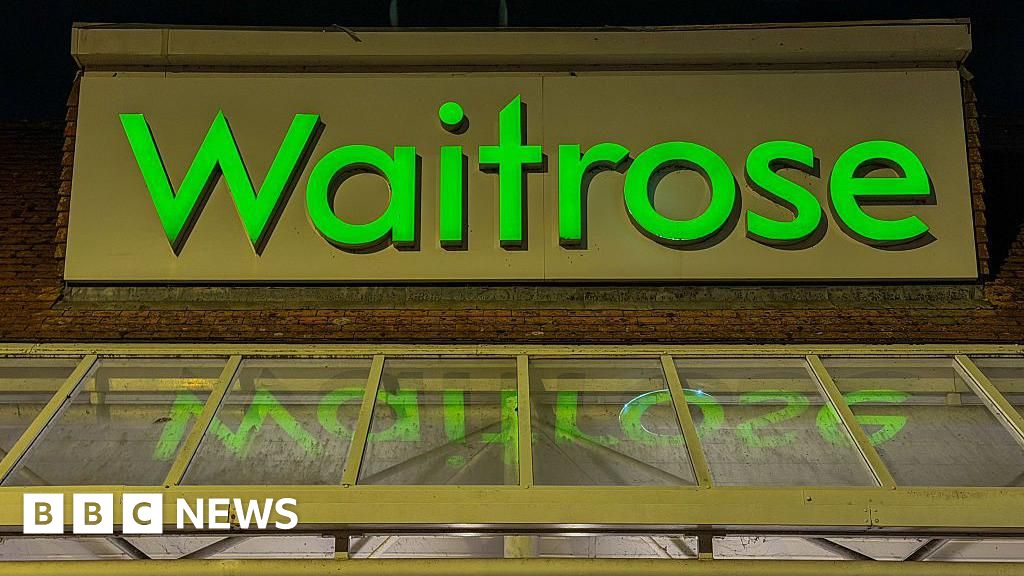
The Food Standards Agency (FSA) has issued a critical warning regarding a bottled water product sold exclusively at Waitrose, advising consumers to immediately return the item to the store due to the potential presence of glass fragments. This urgent recall impacts the 750ml bottles of No1 Royal Deeside Mineral Water, encompassing both the still and sparkling varieties. The inherent danger, as articulated by the FSA, is the risk of injury upon opening or consuming the water, rendering it unsafe for consumption and prompting a swift, decisive response from both the regulatory body and the retailer.
Waitrose, a prominent UK supermarket chain renowned for its quality and premium offerings, has promptly apologised for the inconvenience and potential hazard. The company confirmed it is recalling "some" bottles of the affected product as a precautionary measure, underscoring its commitment to customer safety. Customers who have purchased these particular bottles are strongly advised not to drink the water. Instead, they should either return the product to any Waitrose store for a full refund or contact the company directly through its customer care channels. This proactive stance by Waitrose aligns with industry best practices for managing product recalls and prioritising consumer welfare.
The affected products are the 750ml No1 Royal Deeside Mineral Water and the No1 Royal Deeside Sparkling Mineral Water. The "No1" designation typically signifies Waitrose’s premium own-brand range, implying a higher expectation of quality and sourcing. The still mineral water batches subject to recall carry best before dates of November and December 2027, with specific batch codes including NOV 2027 28, DEC 2027 01, DEC 2027 02, DEC 2027 10, DEC 2027 11, and DEC 2027 16. For the sparkling mineral water, the best before date is December 2027, and the recalled batch codes are DEC 2027 01, DEC 2027 03, DEC 2027 12, DEC 2027 15, and DEC 2027 25. Consumers are urged to carefully check these codes and dates, which are usually found on the bottle label or cap, to ascertain if their purchase is affected. Each bottle typically retails for approximately £1.60p at Waitrose stores, making it a relatively accessible premium product for many customers.
The potential presence of glass fragments in a beverage poses a significant health risk. Ingesting glass can lead to severe injuries, including cuts to the mouth, throat, oesophagus, and internal organs such as the stomach and intestines. Such injuries could result in internal bleeding, choking, or other life-threatening complications requiring immediate medical attention. The FSA’s explicit warning that the product "may cause injury and makes it unsafe to drink" highlights the serious nature of this contamination, moving beyond mere inconvenience to a direct threat to public health. This underscores why food and beverage recalls are treated with such gravity and communicated with urgency.
Deeside water is sourced from natural springs nestled within the picturesque Cairngorms National Park in Scotland, an area celebrated for its pristine environment and natural beauty. The firm producing this water creates special batches specifically for Waitrose, which are the ones implicated in this recall. While the origin points to a natural and high-quality source, the issue appears to stem from a problem within the bottling or packaging process rather than the water source itself. At this stage, it is not clear exactly how many bottles have been sold or what proportion of the total production run is affected, which can often be a challenge in large-scale distribution networks. This uncertainty further justifies the broad recall notice and the emphasis on consumer vigilance.
The Food Standards Agency plays a crucial role in safeguarding public health across the UK by ensuring food safety and hygiene. Its responsibility includes issuing recall notices when a food product is found to pose a risk to consumers. Upon receiving information about potential contamination or safety concerns, the FSA investigates and, if necessary, collaborates with retailers and manufacturers to issue public warnings, ensuring consumers are informed and can take appropriate action. The FSA’s directive for Waitrose to display notices in its shops is a standard procedure designed to maximise public awareness, particularly for customers who may not regularly follow news updates or social media.
For Waitrose, a brand that prides itself on the quality and safety of its products, this recall represents a significant challenge. Beyond the immediate logistical complexities of retrieving affected stock and processing refunds, there are broader implications concerning brand reputation and consumer trust. Such incidents can erode consumer confidence, especially for premium products where customers expect an even higher standard of quality control. Both Waitrose and the Deeside water producer will undoubtedly launch a thorough internal investigation to identify the root cause of the contamination. This investigation would likely scrutinise every stage of the production process, from bottle manufacturing and cleaning to filling, sealing, and packaging, to pinpoint where the glass fragments could have been introduced. Potential causes could include defects in the glass bottles themselves, accidental breakage on the production line, or issues with foreign object detection systems.
Quality control and assurance are paramount in the food and beverage industry. Manufacturers employ stringent checks at various stages to prevent contamination and ensure product integrity. These typically include visual inspections, metal detectors, X-ray machines, and other advanced technologies designed to detect foreign bodies. The fact that glass fragments may be present suggests a lapse in one or more of these critical control points. For a natural mineral water sourced from a revered location like the Cairngorms, the integrity of the packaging is just as vital as the purity of the water itself.
The financial implications of a product recall can be substantial, encompassing the costs of retrieving products, issuing refunds, managing public relations, and potentially facing legal claims. More importantly, the long-term impact on a brand’s image and sales can be considerable. Companies often invest heavily in crisis management to mitigate these effects and reassure their customer base. The transparent and prompt response from Waitrose and the FSA is essential in managing public perception and ensuring that consumers feel their safety is being taken seriously.
Consumers who have purchased the affected No1 Royal Deeside Mineral Water products are urged to act immediately. Do not consume the water. Check the batch codes and best before dates against those provided in the recall notice. If your bottle matches the description, return it to any Waitrose store for a full refund, even without a receipt. Alternatively, customers can contact Waitrose Customer Care directly for assistance. The dedicated helpline number is 0800 188 884, and customers should select option 4 when prompted. This direct line ensures that consumers can receive accurate information and facilitate the refund process efficiently.
This incident serves as a stark reminder of the continuous challenges faced by the food and beverage industry in maintaining impeccable safety standards across complex supply chains. While recalls are an unfortunate occurrence, they are also a testament to the robust regulatory frameworks and industry commitments designed to protect consumers. The swift action by the FSA and Waitrose in this instance highlights the importance of vigilance, transparent communication, and decisive action when public health is at stake. Consumers are encouraged to remain informed and to always prioritise their safety by adhering to product recall advisories.


 George Anjay
 Ramos Leo
 Roy Suryo
 atisusanti