
 Nakalama John
The investigation was announced just three days after a complex deal was concluded to spin off TikTok’s U.S. operations into a new entity. This arrangement, mandated by the Trump administration over national security concerns regarding TikTok’s Chinese parent company, ByteDance, saw Oracle and Walmart taking stakes in the new company, TikTok USDS Joint Venture LLC. Following this transition, thousands of American users began reporting a myriad of issues, including encountering "zero views" on new posts, inexplicable removal of content, and a general inability to access or share political material.
Among the specific examples cited by users was the reported suppression of content criticizing the shooting of Alex Pretti by federal agents in Minneapolis on Saturday. This incident, a politically charged event, quickly became a focal point for users alleging censorship, as videos and discussions related to it purportedly vanished or failed to gain traction on the platform. The timing of these issues, so soon after the ownership change, fueled speculation that the technical problems were not merely coincidental but potentially linked to a deliberate shift in content moderation.
TikTok, through its new U.S. parent company, has not directly addressed the accusations of politically motivated censorship related to the recent deal. Instead, the company attributed the widespread user problems to a "major infrastructure issue." In an official statement, TikTok USDS Joint Venture LLC explained that a power outage at one of its data center partner Oracle’s sites had triggered a "cascading systems failure." While the network was reportedly recovered, the company acknowledged that users might still experience "multiple bugs, slower load times or timed-out requests" as they worked to fully resolve the aftermath of the outage. The company also sought to reassure its user base that their data and content engagement were secure despite the technical difficulties.
However, Governor Newsom’s office presented a starkly different perspective, indicating that it had received and independently confirmed reports of TikTok suppressing content critical of then-President Trump. "Following TikTok’s sale to a Trump-aligned business group, our office has received reports – and independently confirmed instances – of suppressed content critical of President Trump," the California governor’s office stated on X (formerly Twitter) on Monday. This direct accusation, linking the alleged censorship to the new ownership’s perceived political alignment, escalated the issue beyond mere technical glitches into a matter of potential legal and ethical breaches. Newsom’s office confirmed it would be "launching a review of this content" to determine whether the company had violated any state laws.
Earlier on Monday, Governor Newsom himself had taken to X, declaring it was "time to investigate" TikTok over these censorship concerns. His post notably included a link to another X user’s post, which displayed a screenshot from TikTok. This screenshot appeared to show the video-sharing app flagging and preventing a message containing the word "Epstein" from being sent. This particular instance resonated widely, as similar flags were reportedly observed by other U.S. TikTok users attempting to message others with the surname of convicted sex offender Jeffrey Epstein.
The "Epstein" flagging, combined with the apparent suppression of political content from users’ "For You" feeds and search results, ignited a firestorm of speculation among users. Many posited that these actions constituted deliberate censorship orchestrated by TikTok’s new U.S. owners, who, according to widespread social media discussion, included investors and directors believed by some to have ties to the Trump administration. This perception of political bias quickly spread, eroding trust in the platform’s neutrality.
The concerns extended beyond ordinary users, drawing attention from public figures. Meg Stalter, an actress known for her role in the series "Hacks," publicly announced on Instagram on Sunday that she had deleted her TikTok account. Her decision stemmed from similar worries, as she stated the app was "under new ownership and we are being completely censored and monitored." Her sentiment was echoed across various social media platforms, with many U.S. users questioning the future of the app, using phrases like "cooked" to express their disillusionment and belief that the platform had fundamentally changed.
The technical issues themselves were significant and widespread, contributing to the overall climate of distrust. Users across the U.S. documented their problems on social media platforms throughout the outage, which reportedly began on Sunday. Platform outage monitor Downdetector recorded an astonishing 663,061 reports of issues from U.S. TikTok users between Saturday and Monday, indicating the vast scale of the disruption.
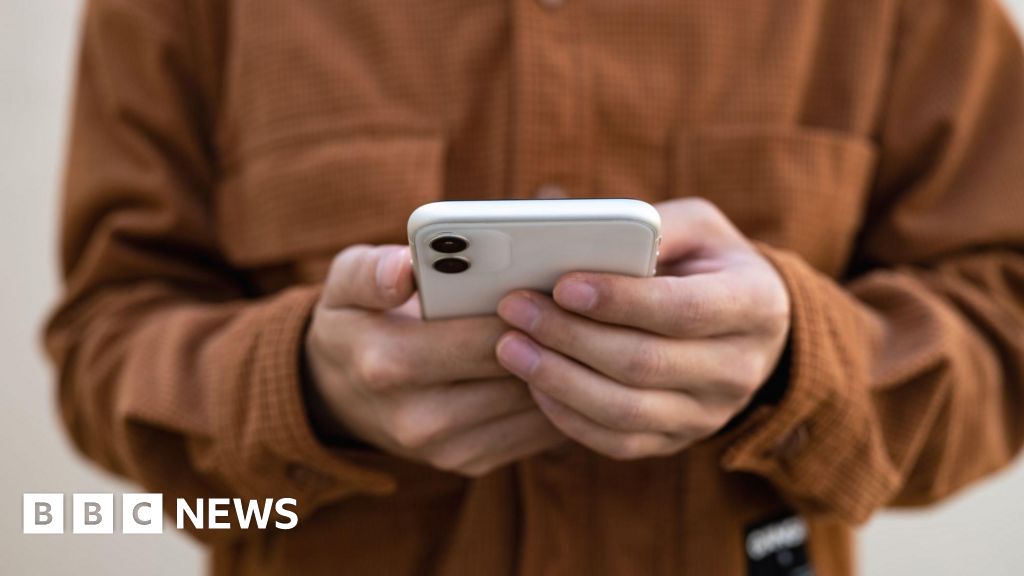
One X user encapsulated the common experience on Sunday, asking, "Okay so is anyone else’s TikTok being extremely slow, keeps showing you old videos, doesn’t show you what you what you actually search, and doesn’t load certain stuff…?" These observations pointed to fundamental problems with the app’s core functionalities, suggesting a deeper systemic failure beyond simple content suppression. Additionally, some content creators reported being unable to access their monetization tools on the app, raising concerns about their livelihoods. Others noticed that new videos they had uploaded were not achieving their usual visibility or were "stuck at zero views," effectively rendering their content invisible to their audience.
TikTok’s U.S. owner officially acknowledged the issues on Monday, reiterating that the power outage at one of Oracle’s data center sites was the root cause. The company stated it was working collaboratively with its data center partner to resolve the "cascading systems failure" and assured users that their data and content engagement were "safe." Crucially, the many reported issues affecting TikTok and its sister app, CapCut, appeared to be largely confined to the United States, lending credence to the idea that the problems were related to the specific U.S. infrastructure and the recent operational split.
The context of this investigation is rooted in the broader scrutiny TikTok has faced in the U.S. for years. The Trump administration had long expressed concerns over the app’s ties to China, citing potential national security risks, data privacy vulnerabilities, and the possibility of the Chinese government influencing content or accessing user data. These concerns culminated in executive orders threatening to ban the app if a U.S. sale or partnership was not achieved, leading to the formation of the TikTok USDS Joint Venture LLC. As part of this complex deal, Oracle, a cloud computing giant, became one of three managing investors, maintaining a 15% stake in the spun-off U.S. entity. A key aspect of Oracle’s role was to inspect and retrain a separate version of TikTok’s algorithm specifically for American users, ostensibly to allay national security fears and ensure data integrity.
The California investigation, therefore, delves into not just technical performance but also into the very heart of content neutrality and free speech on a platform with immense societal influence. If Governor Newsom’s office confirms that TikTok indeed suppressed content based on political viewpoints, it could trigger significant legal repercussions under California’s robust consumer protection and unfair business practices laws. Such findings would not only damage TikTok’s reputation and user trust but also reignite broader debates about the power of social media platforms to shape political discourse, the transparency of their algorithms, and the accountability of their ownership structures. The probe represents a critical test for the new TikTok U.S. entity, placing its commitment to an unbiased and open platform under intense governmental and public scrutiny.


 George Anjay
 Ramos Leo
 atisusanti