
 Nakalama John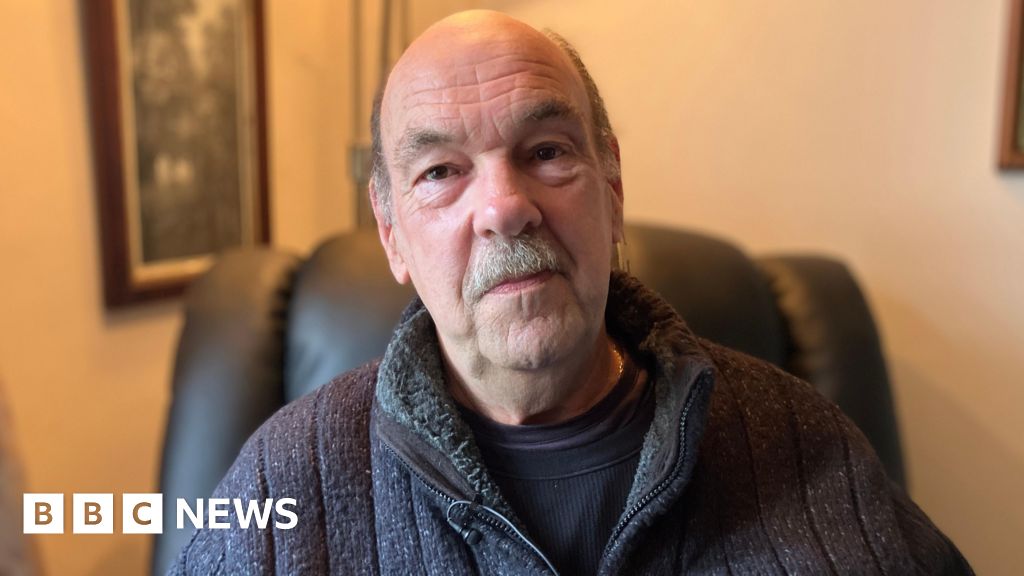
A Gloucestershire-based charity, Severn Wye, has earned a prestigious shortlisting for a national award, recognising its groundbreaking efforts in safeguarding the health and well-being of vulnerable households by ensuring they can afford to keep their homes warm. The organisation’s innovative "Warm Homes Prescription" pilot scheme, launched in 2022 amidst rising energy costs and growing concerns over fuel poverty, directly addresses the critical link between cold homes and deteriorating health, particularly for those with pre-existing medical conditions. This vital initiative, alongside the NHS Retrofit project, has been named a finalist in the Health Service Journal Partnership Awards, highlighting its significant impact on preventative healthcare and patient outcomes across the West of England.
The "Warm Homes Prescription" pilot was established with a clear mandate: to mitigate the adverse health effects of cold homes on the most susceptible members of society. Targeting patients diagnosed with chronic respiratory, coronary, or complex health conditions who are also struggling with low incomes, the scheme provides crucial financial grants to help cover their energy bills. These grants are meticulously distributed using government funding, ensuring that aid reaches those who need it most, preventing the difficult choice between heating and eating. The charity’s core objective is to reduce the strain on the healthcare system by proactively preventing the need for emergency hospital care and frequent GP visits that often result from living in inadequately heated environments. This forward-thinking approach shifts the focus from reactive treatment to proactive prevention, demonstrating a deeper understanding of the social determinants of health.
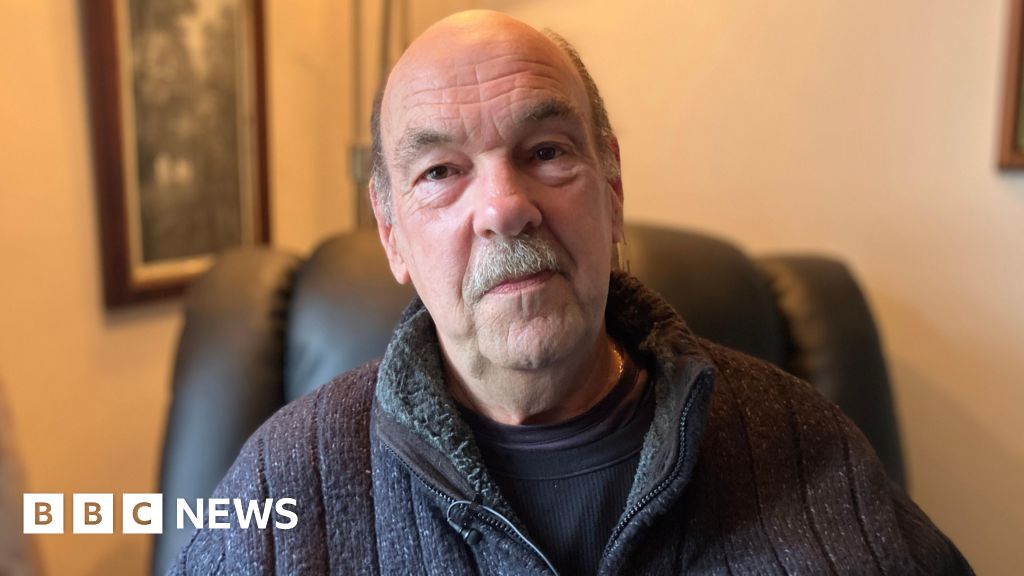
Among the many individuals who have profoundly benefited from Severn Wye’s intervention is Anton Hammer, a 72-year-old resident of Gloucestershire who lives with Chronic Obstructive Pulmonary Disease (COPD). Before encountering the charity, Mr. Hammer faced a relentless battle against recurrent chest infections, a debilitating consequence of his inability to adequately heat his home. His health struggles led to a cycle of constant visits to his GP, placing a significant burden on both his personal well-being and local health services. The situation became particularly acute after he was forced to stop working two years prior, following a heart attack. This life-altering event not only impacted his physical health but also severely diminished his income, plunging him into a state of fuel poverty.
Mr. Hammer vividly recounts the desperate measures he was forced to adopt to cope with the cold. "You think I can’t afford to do this, so you keep the heating off," he explained, describing a reality shared by countless others. "You put more layers on, or you try to heat one room in the entire house." These coping mechanisms, while common, offered little true respite and came at a significant emotional cost. He further elaborated on the psychological toll, stating, "It can be very depressing. It can make you feel very down." The constant chill, the financial anxiety, and the persistent health concerns created a pervasive sense of despair. It was his GP at Brockworth Surgery, recognising the critical link between his living conditions and his deteriorating health, who made the life-changing referral to Severn Wye.
Upon contact, Severn Wye’s team conducted a compassionate and thorough home visit, assessing Mr. Hammer’s needs and offering tailored assistance. "I’ve got to say they’ve been fantastic," he affirmed, expressing profound gratitude for the support received. The grants provided by the charity enabled him to heat his home effectively, transforming his living conditions and, crucially, his health. Since receiving assistance, Mr. Hammer’s recurrent chest infections have alleviated dramatically, leading to a significant reduction in his GP visits. This tangible improvement in his quality of life underscores the profound impact of the "Warm Homes Prescription" scheme, demonstrating how targeted financial support can directly translate into better health outcomes and a reduced burden on primary care services.
The "Warmth on Prescription" scheme operates in close synergy with another crucial initiative: the NHS Retrofit project. This complementary programme, generously funded by NHS Gloucestershire Integrated Care Board, takes a long-term approach to energy efficiency. It provides substantial investments, offering up to £20,000 per property, to install comprehensive measures designed to significantly improve home energy performance. These measures typically include loft and wall insulation, efficient new boilers, draught proofing, and double glazing – all critical components in creating a healthier, more sustainable living environment. While "Warmth on Prescription" addresses the immediate financial barriers to heating, the NHS Retrofit project tackles the underlying structural issues that contribute to heat loss and high energy consumption. Together, these initiatives form a holistic strategy, ensuring both immediate relief and lasting improvements for vulnerable households.
The recognition of both projects as finalists in the Health Service Journal Partnership Awards is a testament to their innovative and collaborative spirit. Last winter, the data collected from patients participating in the scheme provided compelling evidence of its success, reporting a noticeable decrease in clinical visits and, crucially, fewer hospital admissions. This reduction in demand on emergency and secondary care services highlights the preventative power of ensuring warm homes, offering a scalable model for healthcare providers nationwide looking to address health inequalities and improve population health. The partnership between a charity like Severn Wye and the NHS represents a pioneering approach to integrated care, where social and medical interventions are combined to achieve superior patient outcomes.
Dr. Hein Le Roux, the NHS Gloucestershire deputy chief medical officer, expressed his profound satisfaction with the achievements of the partnership. "Patients tell us they feel more confident and supported through winter, which is exactly the impact we set out to achieve," he stated. His comments underscore the psychological benefits of the scheme, extending beyond mere physical health to encompass emotional well-being and a sense of security during the challenging colder months. This increased confidence and support can significantly reduce stress and anxiety, further contributing to overall health improvement. Dr. Le Roux’s endorsement highlights the strategic importance of such partnerships in fulfilling the broader objectives of Integrated Care Boards, which are increasingly focused on addressing the wider determinants of health.
The impact of the "Warm Homes Prescription" and NHS Retrofit projects extends beyond the individual beneficiaries, offering broader societal advantages. By reducing the reliance on emergency services and hospital beds, the initiatives contribute to greater efficiency within the NHS, freeing up resources for other critical areas. Furthermore, the retrofitting aspect of the project contributes to environmental sustainability by reducing carbon emissions associated with home heating, aligning with national climate change objectives. The success of this model in Gloucestershire provides a compelling blueprint for other regions grappling with similar challenges of fuel poverty and its health consequences, demonstrating that strategic, collaborative interventions can yield significant positive results.
As the nation continues to navigate the complexities of energy costs and an ageing population, the importance of initiatives like those championed by Severn Wye and NHS Gloucestershire cannot be overstated. They offer a beacon of hope and a practical solution to a pressing social and health crisis. The winners for the Health Service Journal Partnership Awards are scheduled to be announced in March. Regardless of the outcome, the shortlisting itself serves as powerful validation of the tireless work and innovative thinking that has gone into making a tangible difference in the lives of vulnerable individuals, proving that a warm home is indeed a prescription for better health. This collaborative effort exemplifies how combining charitable dedication with strategic NHS funding can create a robust and effective system for preventative care, fostering healthier, more resilient communities.


 George Anjay
 Ramos Leo

 atisusanti