
 Roy Suryo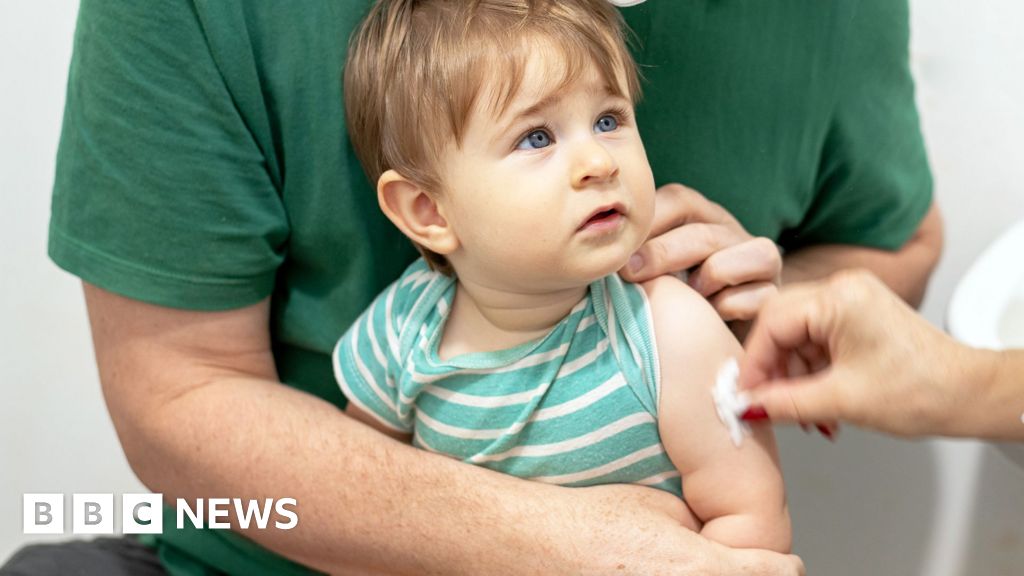
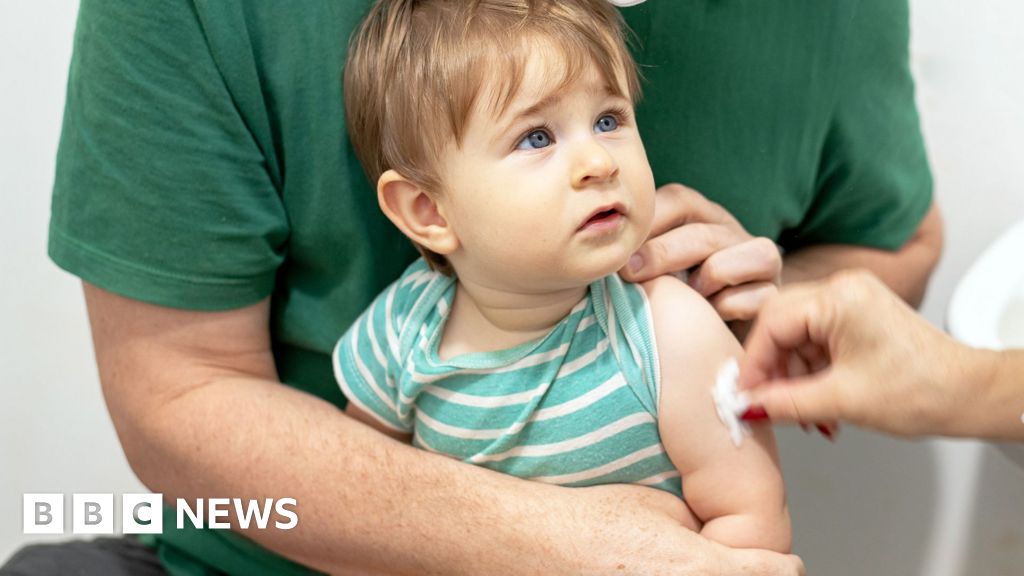
The National Health Service (NHS) in the United Kingdom has officially launched its comprehensive chickenpox vaccination programme for children, marking a significant public health milestone. This initiative, which began on 1 January 2024, will offer protection against the varicella-zoster virus to all young children across England, Wales, and Northern Ireland, with Scotland implementing a similar rollout in early January. The new combined vaccine, known as MMRV, will integrate protection against chickenpox with the existing measles, mumps, and rubella (MMR) jab. This strategic move aims to significantly reduce the burden of chickenpox infections, which affect thousands of families annually, and crucially, prevent the occurrence of severe and potentially life-threatening complications. Previously, parents seeking to protect their children from chickenpox had to incur costs of up to £200 for private vaccination.
The MMRV vaccine will be administered as part of the standard childhood immunisation schedule, with two doses given at 12 and 18 months of age. For children who have not yet received the vaccine, a catch-up programme will be available, allowing children up to the age of six to receive the necessary doses when invited. This proactive approach is expected to safeguard a generation of children from the discomfort and potential dangers associated with chickenpox.
Chickenpox, a highly contagious viral infection, is characterised by an itchy, blister-like rash that spreads across the body, often accompanied by fever and muscle aches. While typically a mild illness for most young children, it can lead to serious complications, particularly in vulnerable groups such as infants, adults, and pregnant women. Dr. Gayatri Amirthalingam, deputy director of immunisation at the UK Health Security Agency, highlighted the potential severity of chickenpox, stating, "For some babies, young children and even adults, chickenpox can be very serious, leading to hospital admission and tragically, while rare, it can be fatal." These severe complications can include secondary bacterial infections of the scabs, and in rarer, more serious instances, encephalitis (brain swelling), pneumonitis (lung inflammation), and stroke.
The introduction of the vaccine offers a vital shield against these risks. Maria Horton, whose daughter Beth suffered a stroke at just two-and-a-half years old in the weeks following a chickenpox infection, shared her poignant experience. Beth has lived with the long-term consequences, including difficulties using her right hand, speech impairments, and chronic pain. "I know some people are hesitant about vaccines but if I’d known years ago what I know now, I wouldn’t hesitate to give her the vaccine," Ms. Horton stated, emphasizing the life-altering impact of the virus. "As a mum, if you could go back in time and stop something catastrophic happening to them, you absolutely would. And if I could prevent somebody else from going through what Beth did, that would be amazing." Her testimony underscores the profound personal impact of chickenpox and the critical need for preventative measures.
Dr. Claire Fuller, NHS England’s national medical director, described the vaccine rollout as "a hugely positive moment for children and their families." Health Secretary Wes Streeting echoed this sentiment, urging all parents to embrace the opportunity to vaccinate their children, calling it a "historic milestone in protecting our children’s health" from a disease that annually hospitalises thousands.
The MMRV vaccine has a well-established safety and efficacy record, having been used for decades in countries such as the United States, Canada, Australia, and Germany, where it has demonstrably reduced chickenpox incidence and severe cases. The varicella component of the vaccine has shown to be highly effective, providing approximately 97% protection after two doses and offering long-lasting immunity.
The UK’s delayed adoption of the vaccine was attributed to several factors, including concerns about the cost of a nationwide programme and the potential for an increase in shingles cases in adulthood. However, extensive data from countries with long-standing vaccination programmes have shown that these fears have largely not materialised. Furthermore, recent research has illuminated the significant economic impact of chickenpox in the UK, with an estimated £24 million in lost income and productivity annually due to childhood chickenpox. The NHS also anticipates saving approximately £15 million per year in treatment costs through the vaccine rollout.
In light of this evidence, the Joint Committee on Vaccination and Immunisation (JCVI), which advises UK health departments, recommended the introduction of the vaccine onto the NHS in November 2023. "Families will save both time and money – no longer facing lost income from taking time off work or having to fork out for private vaccinations," Mr. Streeting added, highlighting the dual benefits of reduced health burdens and financial savings for families.
The Royal College of Paediatrics and Child Health welcomed the news, describing the nationwide rollout as "welcome news." Similarly, the Royal College of GPs affirmed the safety and effectiveness of all NHS childhood vaccines, labelling them as "some of the most important health interventions parents can make for their children."
Eligibility and Vaccination Schedule:
The MMRV vaccine, which protects against measles, mumps, rubella, and varicella (chickenpox), will replace the current MMR jab.

- Children born after 1 January 2026: These children will be automatically offered two doses of the MMRV vaccine at 12 months and 18 months of age as part of the routine childhood immunisation schedule.
- Catch-up Programme: For children who have not yet had chickenpox or received the vaccine, a catch-up programme will be in place. Depending on their date of birth, they will receive either one or two doses of the MMRV vaccine.
- Children born between 1 January 2019 and 31 December 2025 will be offered two doses.
- Children born between 1 January 2017 and 31 December 2018 will be offered one dose.
- Exclusions: Children aged six years or older on the last day of 2025 will not be eligible for the MMRV vaccine through this programme. This is because they are statistically likely to have already contracted chickenpox.
GP surgeries will proactively contact families to schedule appointments for these crucial vaccinations as they become due. The implementation of this comprehensive vaccination programme signifies a major step forward in protecting the health and well-being of children across the United Kingdom.



 George Anjay
 Ramos Leo
 atisusanti
 Nakalama John