Nakalama John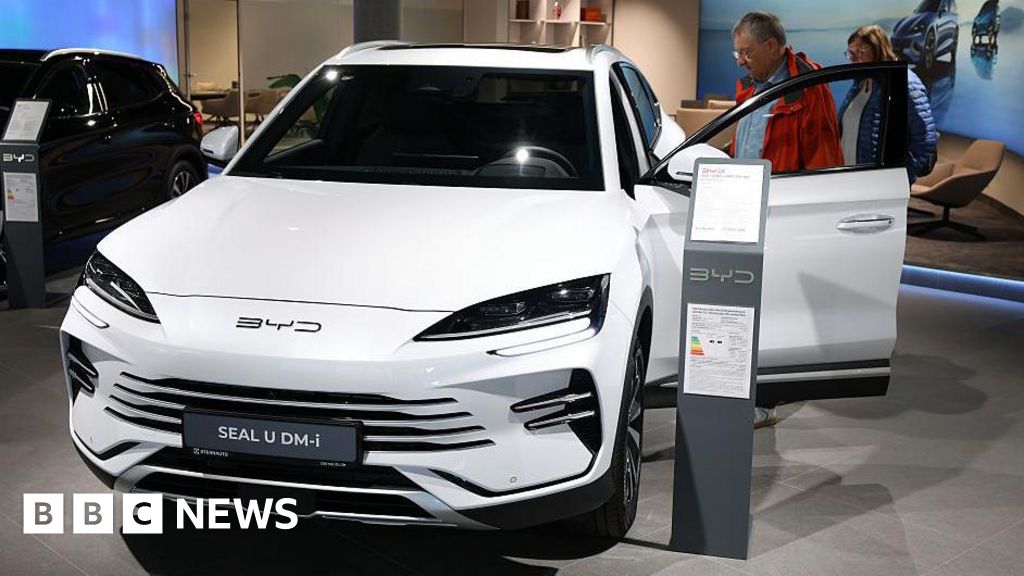
On Thursday, BYD, an acronym for "Build Your Dreams," disclosed a remarkable surge in its 2023 sales, with battery-powered car deliveries soaring by almost 28% to an impressive total of over 2.25 million units. This figure positions the Shenzhen-based company firmly ahead of its American rival. Tesla, which was expected to reveal its definitive full-year sales for 2023 later on Friday, had previously seen analysts’ estimates suggesting it had sold approximately 1.65 million vehicles globally for the year. The disparity in these numbers signals a significant turning point in the race for EV dominance, reflecting BYD’s aggressive expansion and diversified product strategy.
Tesla, under the helmsmanship of Elon Musk, has navigated a challenging year, grappling with a confluence of factors that have impacted its sales momentum. The reception to some of its newer offerings, such as the highly anticipated Cybertruck, has been mixed, with its unconventional design appealing to a niche market rather than mass adoption in its initial rollout. Furthermore, the company has faced growing unease among some investors and customers regarding Musk’s increasingly prominent political activities and his various commitments across his other ventures. This perceived diffusion of focus, coupled with the intensifying competition from a robust cohort of Chinese rivals, has undeniably put pressure on the American EV pioneer.
Chinese automotive firms, including established players like Geely, MG, and BYD – which has now ascended to become the country’s largest electric car company – have strategically leveraged their production capabilities and cost efficiencies. They have exerted considerable pressure on their Western counterparts by offering highly competitive pricing, often undercutting the established brands in key markets. This aggressive pricing strategy, combined with rapid innovation and a diverse range of models, has allowed them to capture significant market share, particularly in their domestic market, which is the world’s largest for EVs.
In a direct response to this mounting pressure and to stimulate demand, Tesla initiated a series of price reductions in October 2023, notably introducing lower-priced versions of its two best-selling models, the Model 3 and Model Y, in the US. These strategic adjustments aimed to boost sales and maintain its competitive edge in an increasingly crowded market. However, such moves often come at the expense of profit margins, adding another layer of complexity to Tesla’s financial performance.
Elon Musk, already recognized as the world’s wealthiest individual, shoulders the immense responsibility of not only steering Tesla through these competitive waters but also achieving ambitious growth targets to secure a potentially record-breaking pay package. This remuneration deal, which received shareholder approval in November 2023, could see him receive a payout of up to an astonishing $1 trillion over the next decade, contingent on Tesla reaching specific milestones in sales, market capitalization, and operational efficiency. As part of this audacious agreement, Musk is also tasked with the ambitious goal of selling a million humanoid robots, dubbed "Optimus," over the next ten years. Tesla has heavily invested in the development of this product, alongside its advanced self-driving "Robotaxis," signaling a broader vision for the company that extends beyond traditional vehicle manufacturing into robotics and artificial intelligence.
However, Tesla has also experienced periods of market volatility and sales challenges. For instance, the company faced a notable slump in sales during the first three months of 2024, which was partly attributed to a backlash against Musk’s perceived involvement or support for specific political figures, including former US President Donald Trump. This highlights how the personal brand and political stances of a CEO can directly influence consumer sentiment and investment decisions in today’s hyper-connected world.
Beyond Tesla, Musk’s expansive portfolio of business interests includes the social media platform X (formerly Twitter), the aerospace manufacturer SpaceX, and The Boring Company, an infrastructure and tunnel construction enterprise. These diverse and demanding commitments, along with his speculative future role in a potential Trump administration’s "Department of Government Efficiency" (jokingly referred to as "Doge" by Musk himself), have led some investors to express concerns. They worry that Musk’s attention might be spread too thin, potentially detracting from his primary focus on Tesla at a critical juncture for the EV manufacturer. Recognizing these concerns, Musk has reportedly pledged to "significantly" cut back his involvement in any future US government role, aiming to reassure investors of his dedication to Tesla’s trajectory.
Despite BYD’s stellar rise in recent years, even the Chinese powerhouse is not immune to market dynamics. Its sales growth in 2024, while still robust, showed signs of deceleration to its weakest rate in five years. This slowdown is largely attributable to the intense and often cutthroat competition within China, which remains BYD’s single largest and most crucial market. Numerous domestic brands are vying for market share, leading to aggressive pricing strategies and rapid product cycles that keep all players on their toes.
Nevertheless, BYD maintains its formidable status as a global EV powerhouse, primarily due to its strategic advantage in pricing. The company’s ability to often undercut rival carmakers is a significant differentiator. This cost advantage stems from its deep vertical integration, a cornerstone of its business model. BYD controls much of its supply chain, from battery manufacturing (through its innovative Blade Battery technology) to semiconductor production, giving it unparalleled control over costs and production efficiency. This self-sufficiency minimizes reliance on external suppliers, allowing for greater flexibility and resilience in its operations.
The Shenzhen-based company’s rapid global expansion has been particularly notable across Latin America, Southeast Asia, and various parts of Europe. This impressive international growth has been achieved despite many countries imposing steep tariffs on Chinese EVs, reflecting the compelling value proposition and quality of BYD’s vehicles. In a testament to its overseas success, BYD announced in October 2023 that the UK had become its biggest market outside China. The firm reported an astonishing 880% surge in its sales in Britain in the year leading up to the end of September, driven by strong demand for its plug-in hybrid version of the Seal U sports utility vehicle (SUV). This success in a mature and competitive market like the UK highlights BYD’s ability to adapt its offerings to diverse consumer preferences and regulatory environments.
The ascendancy of BYD and the challenges faced by Tesla signify a broader recalibration of power within the global automotive industry. China’s growing technological prowess and manufacturing scale are reshaping the landscape, pushing both established Western automakers and EV pioneers to innovate faster and more efficiently. The intense competition is ultimately benefiting consumers through more diverse options and potentially more affordable electric vehicles. As BYD continues its aggressive international expansion and Tesla strives to maintain its technological edge and market leadership amidst its CEO’s multifaceted commitments, the EV sector promises to remain one of the most dynamic and closely watched industries globally, with profound implications for environmental sustainability and economic competitiveness worldwide.


 George Anjay
 Ramos Leo
 Roy Suryo
 atisusanti