Nakalama John
Chinese authorities are implementing a significant overhaul of the tax system, effective from January 1st, designed to tackle the nation’s rapidly declining birth rate and aging population. Under the new regulations, contraceptives, including condoms, birth control pills, and other devices, will be subject to a 13% sales tax. Conversely, a range of services aimed at supporting families and the elderly will be exempt from Value Added Tax (VAT), including childcare, marriage-related services, and elderly care. This policy shift marks a stark departure from previous decades, particularly the era of the stringent one-child policy, and underscores Beijing’s growing urgency in addressing a demographic crisis that threatens its long-term economic stability and social fabric.
For decades, China enforced its infamous one-child policy, a coercive measure introduced in 1979 to curb population growth. During this period, family planning was tightly controlled, and policies often encouraged smaller families through various means, including readily available and sometimes mandatory contraception and abortions. Exemptions for contraceptives were a logical extension of this policy, making birth control accessible. However, as China’s demographics began to shift dramatically in the 21st century, with an increasingly aging population and a shrinking workforce, the government gradually eased these restrictions. The one-child policy was replaced by a two-child policy in 2016 and further relaxed to a three-child policy in 2021. Despite these changes, birth rates have continued to plummet, signaling a deeper societal reluctance to have more children.
The latest tax adjustments are part of a broader, multi-pronged effort by Beijing to reverse this trend. Beyond tax exemptions for childcare and marriage services, the government has been rolling out other incentives, such as extending parental leave, offering cash handouts, providing housing subsidies for larger families, and investing in more public childcare facilities. These measures reflect a growing recognition that financial burdens and a lack of support systems are significant deterrents for young couples considering parenthood.
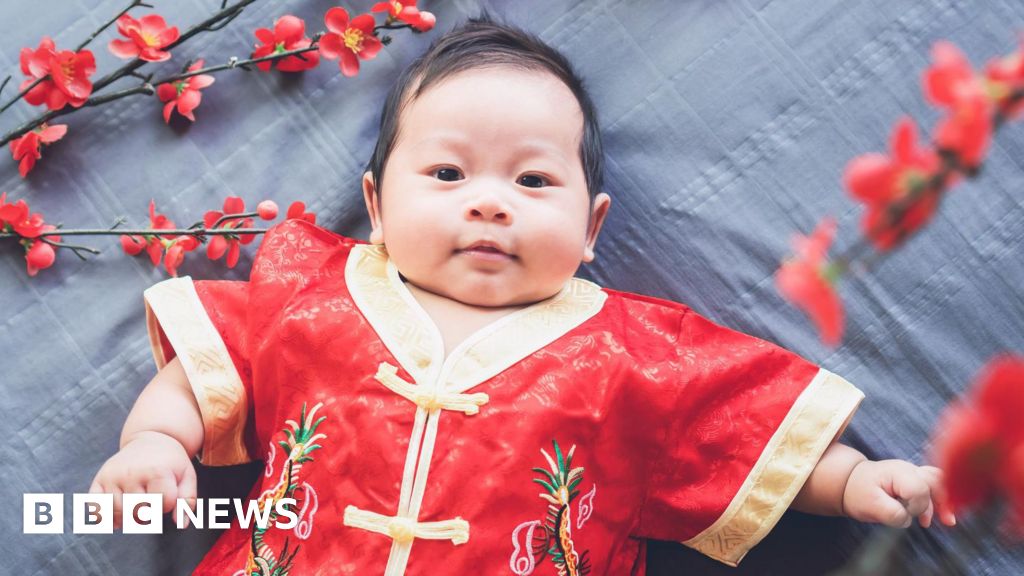
Official figures paint a stark picture of China’s demographic challenge. The nation’s population has shrunk for three consecutive years, a trend unprecedented in recent history. In 2024, only 9.54 million babies were born, a dramatic decline to roughly half the number recorded just a decade prior. This precipitous drop in births, coupled with increasing life expectancy, has led to a rapidly aging population, straining social security and healthcare systems and raising concerns about the future labor supply needed to sustain the world’s second-largest economy. The shrinking workforce could stifle innovation, reduce consumer demand, and undermine China’s economic competitiveness on the global stage.
However, the decision to impose a sales tax on contraceptives has sparked widespread public debate, ranging from concern to outright ridicule. Critics argue that making contraception more expensive could lead to an increase in unwanted pregnancies, particularly among lower-income individuals and students, and potentially exacerbate public health issues like the spread of HIV. On social media, many users expressed skepticism about the policy’s effectiveness in encouraging births, with some joking about "buying a lifetime’s worth of condoms now" before prices increase. The prevailing sentiment among many young Chinese appears to be that the cost of a condom is negligible compared to the monumental financial and emotional investment required to raise a child in modern China.
"People can tell the difference between the price of a condom and that of raising a child," one social media user aptly commented. This sentiment is supported by a 2024 report from the Beijing-based YuWa Population Research Institute, which found China to be one of the most expensive countries in the world to raise a child. The report highlights exorbitant school fees in a fiercely competitive academic environment, coupled with the immense pressure on women to juggle demanding careers and intensive parenting responsibilities. These factors, alongside the broader economic slowdown and a protracted property crisis that has eroded household savings, have left many young people feeling financially insecure and uncertain about their future, making them hesitant to start or expand families.
Daniel Luo, a 36-year-old living in the eastern province of Henan, exemplifies this pragmatic view. With one child already, he has no desire for more. He dismisses the impact of the condom tax, likening it to a minor increase in subway fares. "A box of condoms might cost an extra five yuan, maybe 10, at most 20. Over a year, that’s just a few hundred yuan, completely affordable," Luo explained, emphasizing that such a marginal cost would not alter his family planning decisions.

However, others, like Rosy Zhao from Xi’an, express genuine concern. She fears that for students or those struggling financially, the increased cost of contraception, which she considers a necessity, could lead them to "take a risk" rather than bear the expense. Zhao warns that this could be the policy’s "most dangerous potential outcome," potentially leading to an increase in unintended pregnancies and their associated social and economic burdens.
Observers remain divided on the primary motivation behind the tax overhaul. Demographer Yi Fuxian from the University of Wisconsin-Madison suggests that attributing the tax hike on condoms solely to a desire to boost birth rates might be "overthinking it." He posits that Beijing, grappling with a significant housing market slump and mounting national debt, is more likely keen to collect taxes "wherever it can." With VAT revenue reaching nearly $1 trillion (£742 billion) last year, accounting for close to 40% of the country’s total tax collection, expanding the tax base could be a crucial strategy for shoring up public finances.
Conversely, Henrietta Levin from the Center for Strategic and International Studies views the move to tax condoms as largely "symbolic." She believes it reflects Beijing’s desperate attempts to encourage people to lift China’s "strikingly low" fertility numbers, even if the direct impact of such a tax is expected to be minimal. Levin also points out a significant challenge in the implementation of these pro-natalist policies: many of the subsidies and initiatives rely on provincial governments, which are often heavily indebted themselves. The question remains whether these local authorities can spare sufficient resources to effectively implement and sustain such programs.
Furthermore, China’s approach to encouraging larger families risks backfiring if citizens perceive the government as being "too intrusive" in deeply personal choices. Recent media reports detailing local officials in some provinces making calls to women inquiring about their menstrual cycles and family planning intentions have sparked considerable public outrage. While the local health bureau in Yunnan province claimed such data was necessary to identify expectant mothers, these actions have severely damaged the government’s image and trust among the populace. Ms. Levin argues that "the [Communist] party can’t help but insert itself into every decision that it cares about. So it ends up being its own worst enemy in some ways." This heavy-handed approach can alienate the very demographic it seeks to influence.

Experts and women themselves frequently highlight that China’s male-dominated leadership often fails to grasp the profound social and cultural shifts underpinning these demographic changes. These trends are not unique to China; countries across the West, and particularly in East Asia like South Korea and Japan, are battling similar struggles with declining birth rates and aging populations. Common factors include increased educational and career opportunities for women, rising living costs, urbanization, and a shift away from traditional gender roles where childcare disproportionately falls on women.
Daniel Luo from Henan offers a more philosophical take on the societal shifts impacting birth rates. He believes China’s measures miss the fundamental problem: the evolving nature of human interaction. He points to the rising sales of sex toys in China as a sign that "people are just satisfying themselves" because "interacting with another person has become more of a burden." Luo suggests that the digital age makes being online easier and more comforting, offering an escape from the immense pressures of modern life. "Young people today deal with way more stress from society than people did 20 years ago. Sure, materially they’re better off, but the expectations placed on them are much higher. Everyone’s just exhausted." This sentiment, reflecting a generation grappling with unprecedented economic uncertainty, intense social competition, and the pervasive influence of digital connectivity, underscores the complexity of China’s demographic puzzle. Without addressing these deeper societal currents, policy interventions like a condom tax may prove to be little more than symbolic gestures against an unstoppable tide of change.



 Roy Suryo
 Nana Banana
 atisusanti
 George Anjay