
 Ramos Leo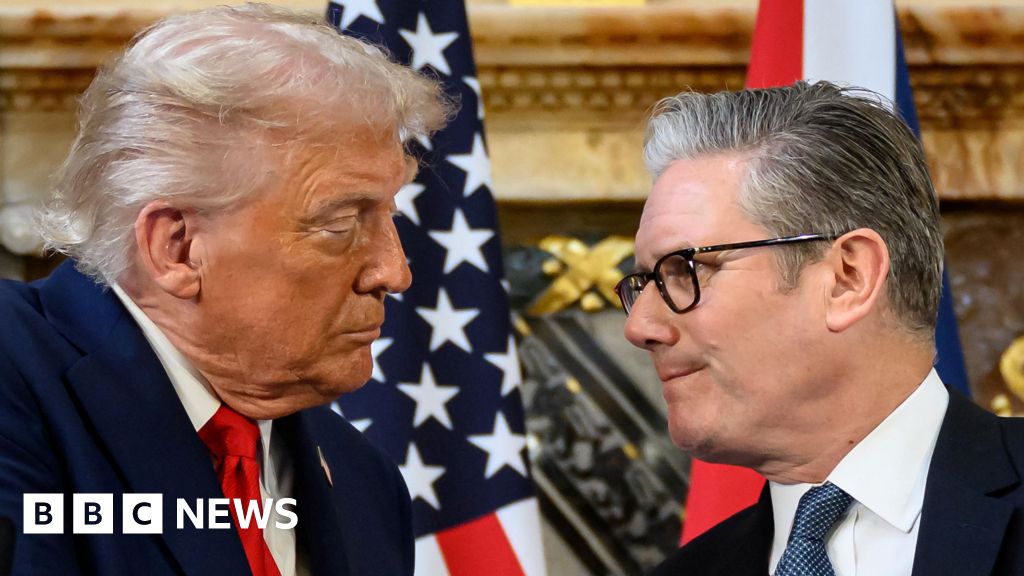
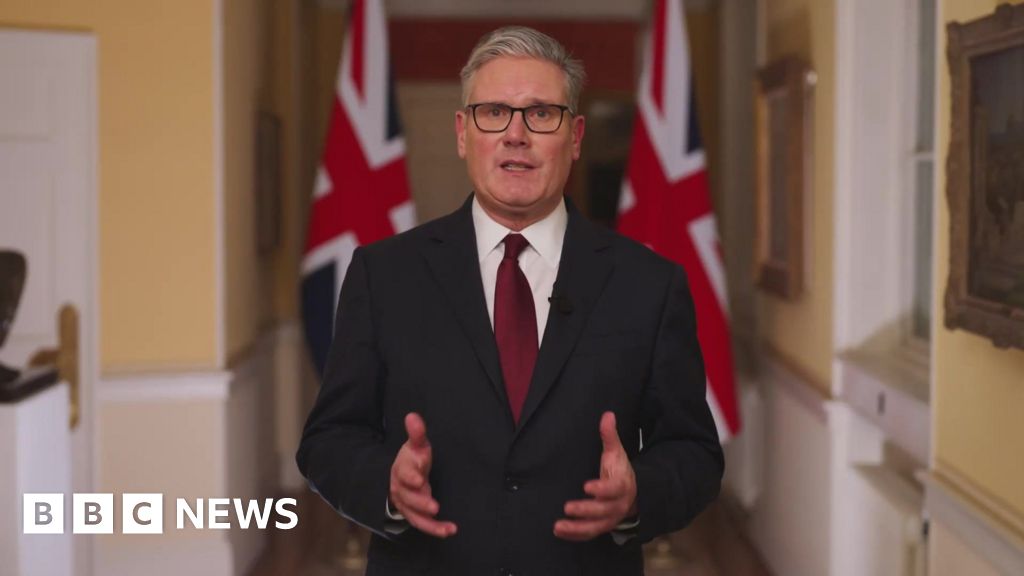
The Prime Minister’s recent condemnation of Donald Trump’s remarks regarding the war in Afghanistan marks his most potent public criticism of the former US President to date. This stern denouncement concludes a week in which circumstances compelled Sir Keir Starmer to publicly rebuke a man with whom he has diligently cultivated a strong working relationship, not once, but three times. Sources indicate that upon returning to Downing Street on Friday afternoon, Sir Keir deemed it absolutely essential to articulate his views in the most unequivocal terms. His tone, body language, and carefully chosen words conveyed a palpable anger, describing President Trump’s statements as "insulting and frankly appalling."
The genesis of this particular outrage lay in President Trump’s assertion that the NATO defence alliance, of which the United Kingdom is a cornerstone member, had dispatched "some troops" to Afghanistan who subsequently "stayed a little back, a little off the front lines." These comments, demonstrably inaccurate, were universally perceived as crass, deeply insensitive, and profoundly offensive across the political spectrum and among the British public. The factual record stands in stark contrast to Trump’s narrative: Four hundred and fifty-seven British service personnel made the ultimate sacrifice in the arduous Afghan conflict, with countless others enduring life-altering injuries and suffering the unseen scars of war. The UK’s commitment was not merely symbolic; it involved sustained, dangerous combat operations, often at the forefront of the mission, contributing significantly to coalition efforts alongside American forces.
The Prime Minister’s team underscores that Sir Keir considers the unwavering defence and championship of the armed forces a paramount duty of his office. This conviction stems from the understanding that those serving, those injured, and especially those killed in conflict, are often unable to speak publicly for themselves. Their sacrifice demands robust advocacy from the nation’s leader. This commitment to the military is not a new facet of Starmer’s leadership. It is not, incidentally, the first occasion the Prime Minister has felt compelled to defend the British military against remarks emanating from the Trump administration or its allies. In March of the previous year, Sir Keir pointedly paid tribute to UK troops in the House of Commons after then-US Vice-President JD Vance faced accusations of disrespecting them. However, on that earlier occasion, Starmer meticulously avoided mentioning the Vice-President by name, opting for a more indirect, diplomatically calibrated response. The directness and forcefulness of his recent statement concerning Trump represent a significant escalation, signalling a limit to the customary diplomatic niceties.
Sir Keir’s robust response to the former President on Friday was the culmination of a tumultuous five-day period during which he faced repeated challenges requiring swift and precise judgement on how to publicly defend what he views as fundamental principles under assault from the White House. The first of these challenges emerged on Monday morning, concerning President Trump’s extraordinary proposition to purchase Greenland. Starmer initially advocated for the sanctity of Greenland’s sovereignty, urging a "calm discussion" on the matter. This measured approach reflected the delicate diplomatic balance Starmer has consistently sought to maintain with the US, even amidst provocative statements. The idea of the United States acquiring Greenland, an autonomous territory of Denmark, was widely ridiculed as an anachronistic relic of 19th-century imperial ambitions, deeply disrespectful to both Denmark and the people of Greenland, who have unequivocally stated their non-negotiable status. Starmer’s initial response, while diplomatic, clearly signalled the UK’s alignment with international norms and sovereign integrity.
Within 24 hours, the President escalated the diplomatic tensions further, "lobbing around insults" regarding the UK government’s ongoing negotiations and historical deal over the Chagos Islands. The Chagos Archipelago, a British Indian Ocean Territory, is home to the strategically vital US military base on Diego Garcia. The UK’s sovereignty over the islands has been internationally contested, particularly by Mauritius, which claims the territory. The issue is further complicated by the controversial expulsion of the indigenous Chagossian people by the UK in the 1960s and 70s to facilitate the construction of the US base. Trump’s unsolicited comments on this highly sensitive matter were seen as a direct challenge to British sovereignty and a clumsy intervention in a complex diplomatic issue that the UK has been painstakingly trying to resolve.
Little wonder, perhaps, that Number 10 approached Prime Minister’s Questions on Wednesday with a palpable sense of unease, recognising that Sir Keir’s planned remarks were not without considerable risk. By this point, his language and tone regarding the President’s ambitions for Greenland had hardened considerably. He declared unequivocally that the UK "will not yield" to pressure from Washington on matters of national or international principle. This public declaration in the hallowed halls of Parliament marked a noticeable shift from his earlier plea for "calm discussion," demonstrating a willingness to publicly confront the US President when fundamental principles were at stake. While Starmer’s interventions on Monday and Wednesday were primarily viewed by officials through the prism of diplomatic strategy and the potential international reactions they might provoke, his remarks on Friday regarding Afghanistan were approached with a fundamentally different mindset.
This political editor is informed that the judgement made on Friday was far simpler and more categorical: the Prime Minister concluded it was unequivocally the right thing to do, given the profound gravity of offence the President had caused. This was less about diplomatic calibration and more about moral conviction and standing up for the nation’s values and its fallen heroes. The raw emotion conveyed by Starmer reflected a belief that some lines simply cannot be crossed, and some insults cannot be tolerated, regardless of the broader geopolitical relationship.
If Sir Keir manages to carve out a moment of reflection over the upcoming weekend, one must ponder whether he might conclude that the past seven days represent a significant turning point in his meticulously cultivated relationship with President Trump. It is a relationship he has consistently prized and cherished, arguing forcefully that a close rapport with the leader of the free world is intrinsically in the national interest, particularly in a post-Brexit landscape where new alliances and trade deals are paramount. Indeed, many observers have lauded his pragmatic approach in fostering this connection, recognising the importance of strong Anglo-American ties in security, intelligence sharing, and economic cooperation. Conversely, a significant number of critics have lambasted him for "hugging a deeply controversial President too close," arguing that such proximity risks compromising British values and implicitly endorsing Trump’s more contentious policies and rhetoric.
Starmer’s long-standing argument has consistently been that a close relationship with the US, irrespective of who occupies the White House, serves the UK’s vital national interests. This includes navigating complex international challenges, ensuring economic prosperity, and maintaining a robust security alliance. The critical question now looming is how frequently weeks like the last one might become the norm, particularly if President Trump’s well-documented penchant for what many perceive as outrage, insult, and deliberate provocation becomes an ingrained and defining characteristic of his future political discourse. Such a pattern would present an ongoing, profound challenge for any British Prime Minister, forcing a constant re-evaluation of the delicate balance between diplomatic pragmatism and the imperative to uphold national dignity and core values. The events of this past week suggest that Starmer, perhaps more than ever, is prepared to draw a clear line in the sand.


 George Anjay
 Nakalama John
 atisusanti