
 Nakalama John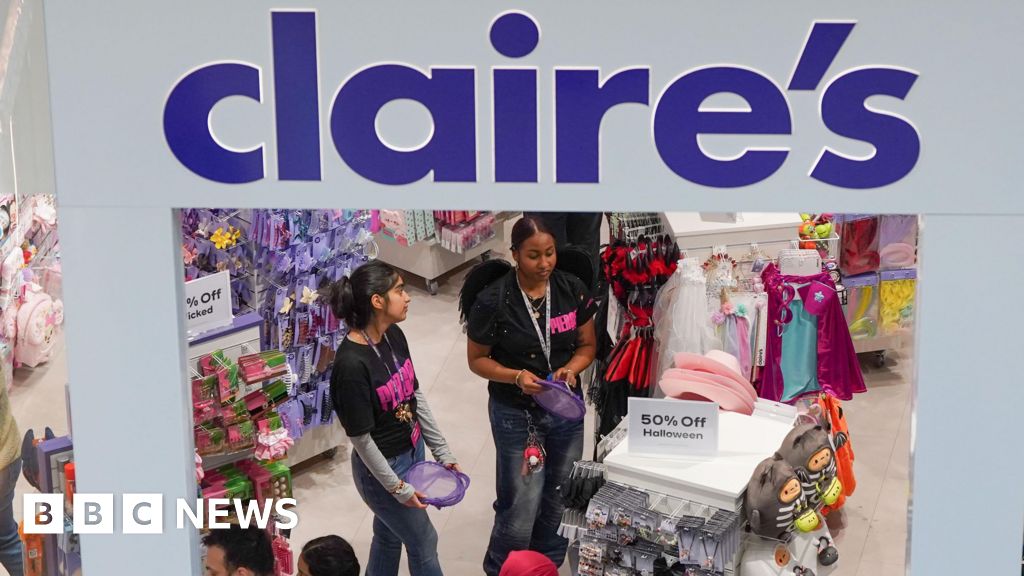
The high street retailers Claire’s and The Original Factory Shop are facing a critical juncture as their owner, Modella Capital, initiates insolvency proceedings across the UK and Ireland, placing approximately 2,500 jobs at immediate risk. This move into administration is intended to provide both chains with vital breathing space, allowing time to seek a new buyer amidst what Modella describes as "alarming" low Christmas trading and persistent tough economic conditions.
For Claire’s, a brand synonymous with brightly coloured accessories and beloved by its core demographic of tweens and teenagers, this latest financial crisis marks another turbulent chapter in its recent history. The company had been actively seeking a buyer after its US parent entity filed for bankruptcy just last year, highlighting a recurring pattern of financial instability that has plagued the retailer on both sides of the Atlantic. The UK arm of Claire’s had previously entered administration in September, a mere six weeks before Modella Capital stepped in to acquire it. That earlier collapse resulted in significant restructuring, including the closure of 145 stores and the loss of around 1,000 jobs. Despite Modella’s acquisition and efforts to revitalise the brand, the underlying challenges proved too formidable, leading to this fresh declaration of insolvency.
The Original Factory Shop, a discount retailer offering a diverse range of general merchandise from homeware to clothing, has also been under Modella Capital’s ownership since early last year. Like Claire’s, it has struggled to maintain profitability in an increasingly competitive and cost-intensive retail landscape. Both businesses, according to Modella, were in a "vulnerable" position even prior to their respective acquisitions, a vulnerability exacerbated by the deteriorating economic climate.
Modella Capital, an investment firm that has become increasingly prominent on Britain’s high streets by acquiring distressed retail assets, expressed profound regret over the decision. "This has been a very tough decision," a spokesperson for Modella stated. "We have worked intensively in an effort to save both businesses, having made last-ditch attempts to rescue them, but neither has a realistic possibility of trading profitably again." The firm attributed the current predicament to a confluence of factors, including the "extremely challenging" high street environment, sustained cost inflation, and what it termed "highly adverse government fiscal policies."
Specifically, Claire’s operates 154 stores across the UK and Ireland, employing a workforce of 1,355 individuals. The Original Factory Shop maintains 140 outlets and has a staff contingent of 1,220. The combined impact of these administrations jeopardises the livelihoods of 2,575 people, though the initial announcement cited approximately 2,500 jobs at risk. The administrators, once officially appointed, will immediately begin assessing the financial health of both companies, exploring options for rescue, sale, or, if necessary, an orderly wind-down. This process typically involves a review of all assets, liabilities, and ongoing operations, with a primary objective of maximising returns for creditors, while simultaneously attempting to preserve jobs and stores where possible.
The plight of Claire’s and The Original Factory Shop serves as a stark reminder of the immense pressures currently facing the UK’s retail sector. They are merely the latest casualties in a relentless wave of business failures that has reshaped the high street over the past decade. The fundamental shift in consumer behaviour towards online shopping continues to divert sales away from traditional brick-and-mortar establishments, leading to reduced footfall and intense price competition. Retailers are also grappling with the escalating costs associated with maintaining physical stores, including soaring rents, punitive business rates, utility bills, and staffing expenses. This complex interplay of declining revenues and rising operational costs creates an unsustainable model for many established brands, particularly those with extensive store portfolios.
Modella Capital’s strategy has typically involved acquiring retail businesses that are either in administration or facing severe financial distress, with the aim of implementing turnaround plans. Their portfolio includes other well-known names, and the firm has expanded its reach across the high street, having acquired parts of WH Smith’s high street chain last year and taken over arts and crafts retailer Hobbycraft a year earlier. This track record highlights Modella’s expertise in navigating challenging retail environments, making their decision to place Claire’s and The Original Factory Shop into administration all the more indicative of the severity of the current market conditions.
The criticism levelled by Modella Capital at government policy echoes a growing chorus of discontent from the business community. While the article incorrectly attributes policy decisions to Shadow Chancellor Rachel Reeves, the sentiment reflects broader concerns regarding the economic measures implemented by the current government. Recent fiscal policies, particularly those outlined in successive Budgets, have been cited as contributing significantly to the increased operating costs for businesses. These include a hike in corporate taxes, increases in the national minimum wage, and raised employer National Insurance contributions.
These policy changes, enacted against a backdrop of persistently high inflation, have created a perfect storm for retailers. High inflation erodes consumer purchasing power, squeezing household budgets and leading to a reduction in discretionary spending. Simultaneously, businesses face higher input costs for everything from raw materials and energy to wages and logistics. When these internal cost pressures are compounded by government-mandated tax and wage increases, profit margins become severely compressed, making it exceptionally difficult for retailers to invest, grow, or even simply break even. The cumulative effect is a reduction in financial resilience, leaving businesses more susceptible to market downturns or unexpected drops in sales, such as the "alarming" Christmas trading experienced by Claire’s and The Original Factory Shop.
The tangible impact of these policies is exemplified by the struggles of small businesses across the country. James Fitzgerald, landlord of The Thatched House pub in Hammersmith, recently warned that his establishment might be forced to close its doors due to the cumulative effect of tax rises announced in recent Budgets. Fitzgerald highlighted that his operating costs had surged by an estimated £22,000 over the past year, with the increase in National Insurance contributions identified as a major contributing factor. His situation illustrates how government fiscal policies, while potentially aimed at broader economic goals, can have profound and immediate consequences for individual businesses, threatening their viability and the jobs they provide.
The administration of Claire’s and The Original Factory Shop underscores the urgent need for a comprehensive strategy to support the UK’s high streets. Beyond the immediate search for buyers, the long-term health of the retail sector hinges on addressing fundamental issues such as business rates reform, fostering a more favourable economic environment for consumer spending, and ensuring that government policies do not inadvertently burden businesses to the point of collapse. As the retail landscape continues to evolve, the ability of brands to adapt, innovate, and receive adequate support will determine their survival. The Treasury has been asked for comment on the criticisms regarding government policy, but as of now, no official response has been provided. The fate of 2,500 jobs and the future of two once-prominent high street names now rest in the hands of administrators and the willingness of potential investors to brave the challenging retail climate.


 Ramos Leo
 atisusanti
 George Anjay
 Roy Suryo