Roy Suryo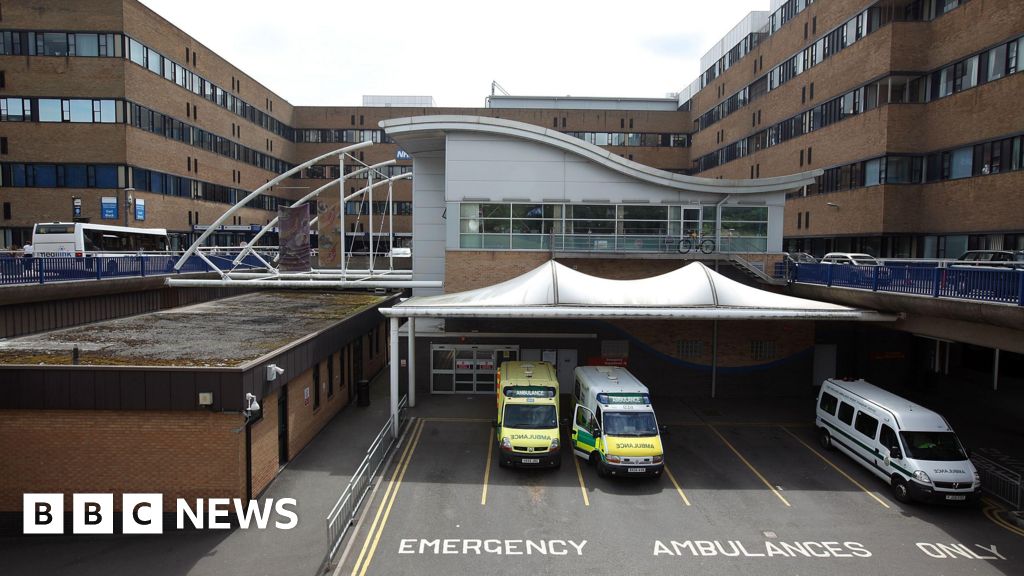
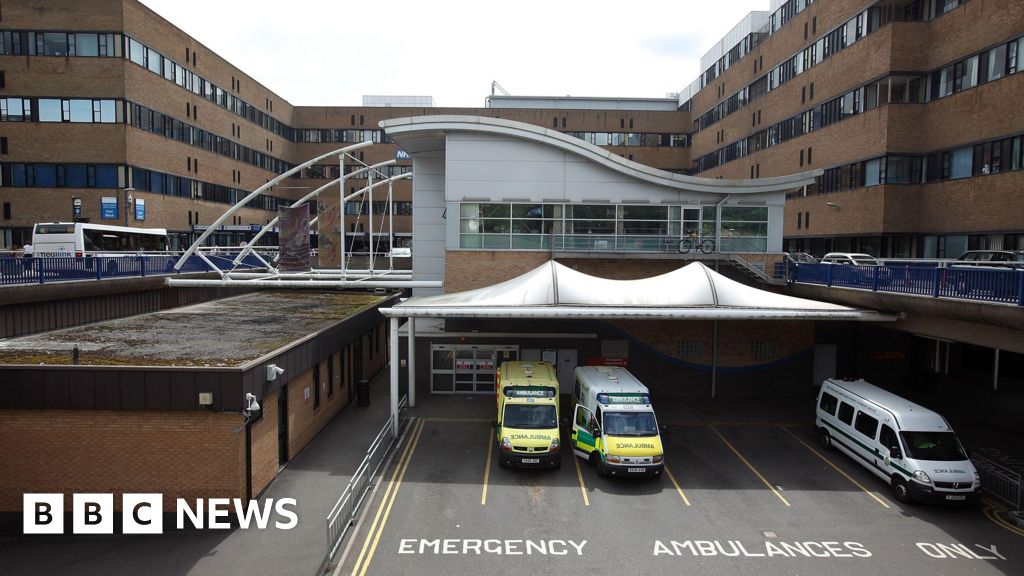
Nottingham University Hospitals NHS Trust, which manages the city’s two major healthcare facilities, has declared a critical incident, citing "significant and unacceptable delays" across its services. The declaration, made on Tuesday, signifies an unprecedented level of strain on the trust’s resources, driven by a confluence of factors including a surge in winter infections and elevated levels of staff sickness since Christmas. This confluence has resulted in "severe and sustained pressure" on both the emergency department (ED) at the Queen’s Medical Centre (QMC) and across the trust’s hospital wards.
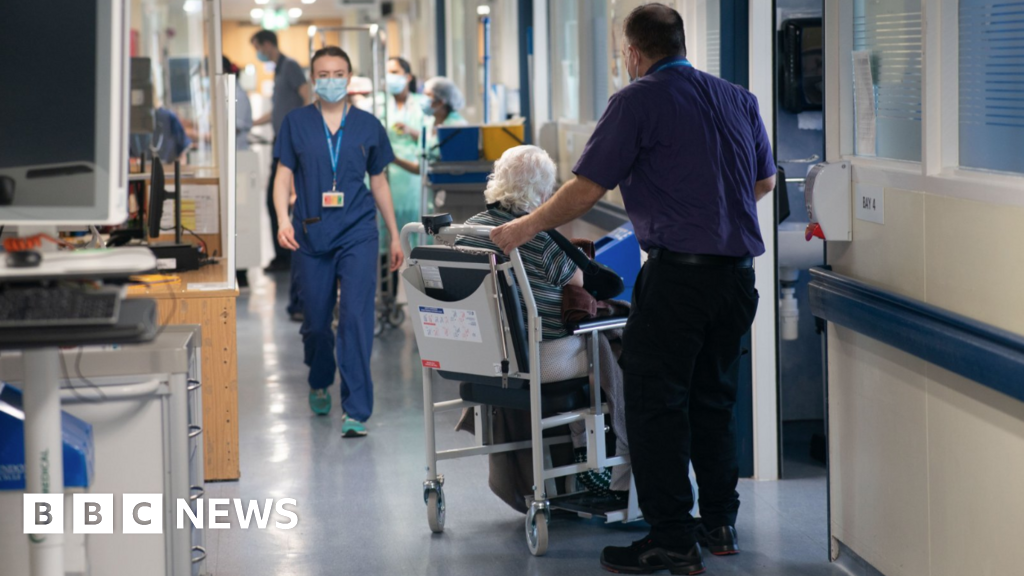
The scale of the pressure is starkly illustrated by the emergency department at the Queen’s Medical Centre. This facility, designed to manage approximately 350 patient attendances daily, is "regularly" experiencing a patient influx exceeding 500 individuals. This persistent overcrowding has led to a situation where hospital bed capacity has "exceeded all of our forecasted modelling," according to trust officials. The consequence for patients is the distressing reality of "unacceptable and lengthy waits on corridors," a situation deemed by the trust to be detrimental to both patient experience and safety.
Andrew Hall, the chief operating officer at Nottingham University Hospitals NHS Trust, articulated the severity of the situation, stating, "We are experiencing pressures like never before." He emphasized the unwavering dedication of the trust’s staff, noting, "Despite our teams working tirelessly, the demand on our hospitals far exceeds our capacity." The decision to declare a critical incident, Hall explained, was not made "lightly" but was deemed "necessary to protect patient safety." He extended a sincere apology to those affected, acknowledging the "poor experience this is causing," and appealed to the public for understanding and kindness towards the staff who are navigating this challenging period to deliver the expected quality of care.
In response to the critical incident declaration, Nottingham University Hospitals NHS Trust is implementing a series of urgent measures to alleviate the pressure and prioritize the most critically ill patients. A key component of this response involves the rearrangement of some elective procedures. This strategic decision aims to free up essential bed capacity and clinical resources that can then be redirected to accommodate patients with the most severe and urgent medical needs. Furthermore, the trust is committed to maximizing its existing resources by opening all available beds and clinical spaces. To address the immediate staffing shortages and bolster frontline support, some staff members will be redeployed from their usual roles to assist in areas experiencing the greatest strain.
Beyond internal measures, the trust is actively collaborating with its National Health Service (NHS) partners and other local healthcare providers. This collaborative effort is focused on accelerating patient discharges from hospital settings and bolstering community support services. The aim is to ensure that patients who are medically fit for discharge can transition smoothly back into their homes or appropriate care settings, thereby freeing up vital hospital beds. Simultaneously, strengthening community support aims to prevent unnecessary hospital admissions and manage patients with less acute needs outside of the hospital environment.
Dr. Manjeet Shehmar, the medical director at Nottingham University Hospitals NHS Trust, provided further clarification on the operational implications of the critical incident. She reiterated that the trust’s emergency department teams will continue to adhere to their established protocols of prioritizing the sickest patients. This means that individuals presenting at the QMC ED with conditions that are not classified as emergencies will face "an extremely long wait." In such cases, patients may even be redirected to alternative services that are better equipped to handle their specific needs, such as urgent treatment centers or primary care facilities.
Dr. Shehmar reinforced the public’s crucial role in managing the current crisis. "We continue to ask the public to help us by only using ED in an emergency or serious accidents," she urged. For all other non-life-threatening health concerns, the trust strongly advises the public to contact NHS 111 first. This preliminary consultation via NHS 111 is designed to ensure that individuals are directed to the most appropriate and timely service for their condition, whether that be a GP, an urgent treatment center, or another healthcare provider, thereby diverting non-urgent cases away from the overwhelmed emergency department.
Despite the declaration of a critical incident and the necessary reallocation of resources, the trust has provided reassurance to those with pre-scheduled medical appointments. Patients who have planned appointments are advised to continue to attend as usual unless they receive specific instructions otherwise from the trust. This ensures that ongoing care and treatment plans for non-urgent conditions are not unduly disrupted, while acknowledging that some elective procedures may be postponed to manage the immediate crisis. The situation at Nottingham University Hospitals NHS Trust underscores the immense pressure currently facing the NHS, particularly during the winter months, and highlights the complex interplay of increased demand, staffing challenges, and the critical importance of patient prioritization. The declaration of a critical incident is a serious step, reflecting the trust’s commitment to transparency and its proactive approach to managing an exceptionally challenging period to safeguard the well-being of its patients. The ongoing collaboration with partners and the plea for public cooperation are vital elements in navigating this unprecedented strain on healthcare services. The trust’s leadership has emphasized that while the current situation is dire, all efforts are being made to mitigate the impact on patient care and to restore services to their optimal capacity as swiftly as possible. This incident serves as a stark reminder of the fragility of healthcare systems when faced with a confluence of severe pressures, and the need for sustained investment and strategic planning to ensure resilience. The coming days and weeks will be critical for Nottingham University Hospitals NHS Trust as it works to manage the fallout from this declaration and restore a semblance of normality to its operations. The dedication of its healthcare professionals remains the bedrock of its response, as they continue to provide care under exceptionally difficult circumstances. The trust’s communication strategy, while somber, aims to be transparent with the public about the challenges and to solicit their understanding and support during this critical period. The hope is that these measures, coupled with a reduction in the current pressures, will allow the trust to move beyond this critical incident and resume its essential functions without further compromise to patient safety and quality of care. The focus remains on ensuring that those with the most urgent need receive prompt and effective treatment, even as the system grapples with overwhelming demand.



 George Anjay
 Ramos Leo
 Nakalama John

 atisusanti