Nakalama John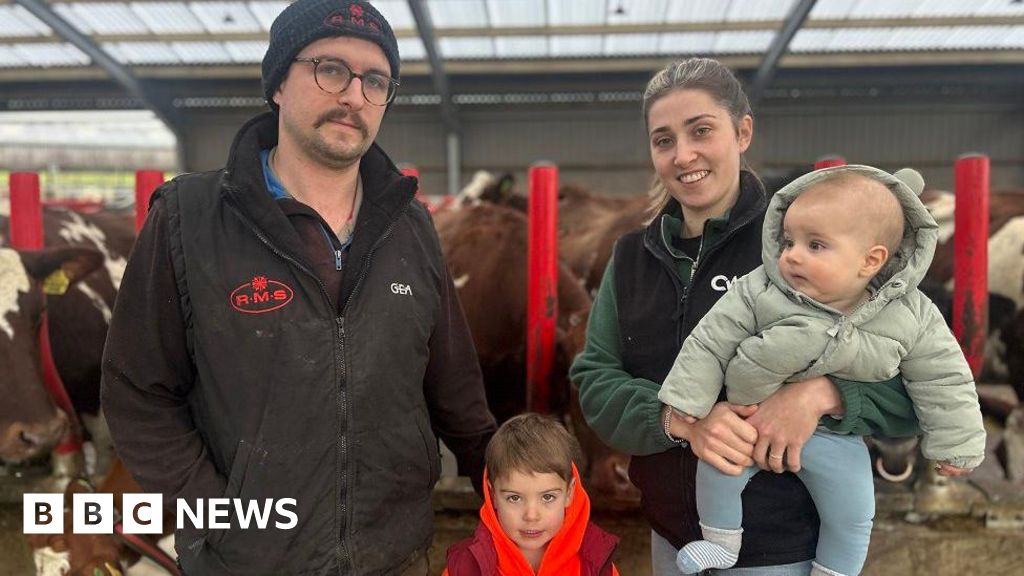
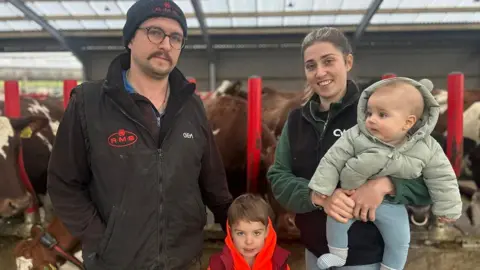
Their predicament is far from isolated; it echoes across the verdant landscapes of Scotland, impacting dairy farmers from Dumfries and Galloway to the Highlands. The National Farmers Union for Scotland (NFUS) describes the current downturn as "unprecedented," not just for its severity but for its alarming speed and pervasive scale. While the sector is accustomed to the ebb and flow of market prices, the recent collapse has defied historical patterns, leaving many in a state of precarious "survival mode," as Lucy Johnstone poignantly puts it.
Arla, one of the world’s largest dairy cooperatives, attributes this dramatic price slump to a significant global oversupply of milk. Simultaneously, consumer demand for essential dairy products like fresh milk, cheese, and yoghurts has remained stubbornly flat, failing to absorb the increased production. This imbalance creates a perfect storm, driving down commodity prices and, consequently, the farm-gate price paid to producers. The Johnstones illustrate this stark reality with their figures: it costs them approximately 38.5 pence to produce a single litre of milk, yet they are currently compensated a mere 35.7 pence by Arla. This seemingly small deficit accumulates rapidly; if their herd produces an average of 35,000 litres per month, they receive just £12,495 – a staggering £1,000 less than the actual cost of feeding, housing, and caring for their cows. Over a year, this translates to a £12,000 loss, a sum that can cripple a family business.
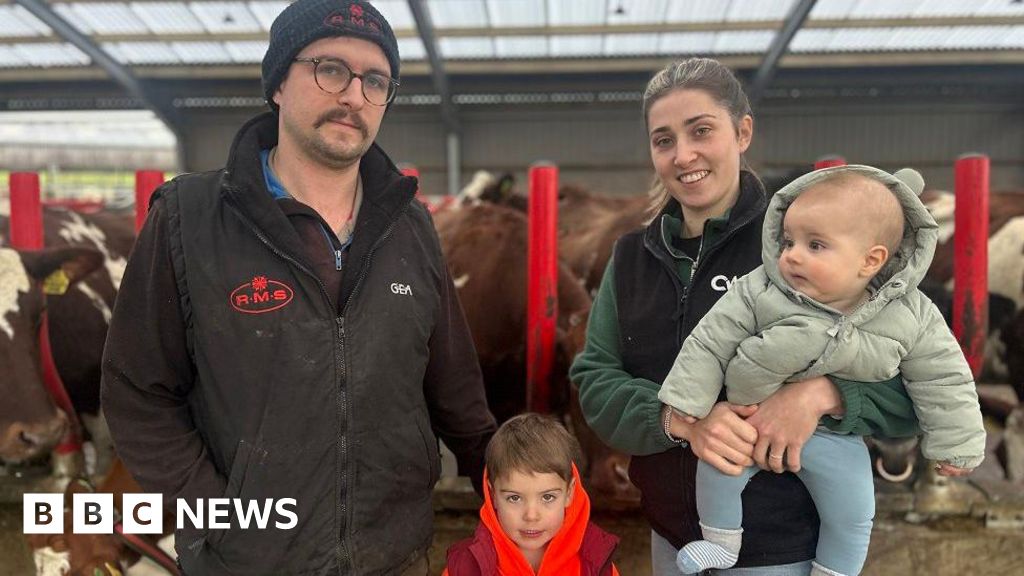
Lucy Johnstone articulates the profound frustration shared by many in the industry: "As an industry, we become accustomed to making a loss, and that’s meant to be OK because at other times of the year we make a little bit more money. I find it tough that we’re meant to be OK with not covering what it costs us to produce food that we’re feeding the nation with." She highlights the inherent resilience of farmers, a quality often taken for granted, but stresses that the current pressures are simply unsustainable. The high costs of essential inputs such as animal feed, fuel for machinery, fertilisers, and labour have consistently risen, further squeezing already tight margins and making the current low milk price even more debilitating.
In their desperate search for solutions, the Johnstones are actively exploring the direct-to-consumer model. This could involve establishing a farm shop, offering local deliveries, or installing a milk vending machine in Moffat. While such initiatives promise potentially better margins and a direct connection with appreciative local communities, they also represent a significant increase in workload, requiring investment in processing equipment, marketing, and distribution, all while managing their existing farm operations. The outpouring of support from local residents, hoteliers, and businesses has been a source of encouragement, reminding them of the inherent value placed on their work. Yet, the relentless financial stress has led Adam and Lucy to confront the unthinkable: exiting the industry that defines their lives.
Adam, a former marine and an amputee, finds the situation particularly "soul-destroying." He acknowledges the non-financial benefits of farming – the idyllic lifestyle, the opportunity to raise his children close to nature – but these cannot offset the crushing financial burden. "The financial pressures are there day-in, day-out and don’t go away when you go to sleep. We’ve had multiple conversations about getting out of farming," he admits, revealing the profound mental and emotional toll. The daily struggle to make ends meet overshadows the intrinsic rewards, forcing difficult conversations about their future.
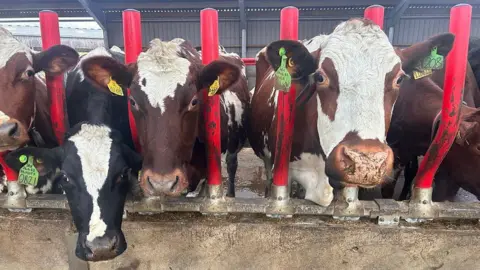
The broader UK dairy landscape reflects this crisis. For the first time, national milk production is projected to exceed 13 billion litres this year, creating an unprecedented surplus. This oversupply, coupled with stagnant demand, has led to a significant depreciation in the value of key dairy commodities. According to NFUS, prices for mild cheddar, butter, and skimmed milk powder are now approaching their lowest levels in five years. Major dairy processors like Arla, Muller, and First Milk have consistently cut the price paid to farmers for several months, citing the global market downturn. They face their own challenges in collecting, processing, and selling an excess of milk that simply outstrips consumer appetite.
An Arla spokesperson reiterated that "global milk production has increased so there is significantly more milk around the world. This is therefore impacting negatively on the global commodity markets, resulting in lower prices." They also emphasized Arla’s cooperative structure, where profits are returned to farmer-owners. However, even this model cannot fully insulate farmers from the vagaries of international markets. Muller confirmed that their "daily milk collection volumes are still much higher than this time last year," underscoring the persistent surplus. Mike Hindle, communications director for First Milk, further elucidated the complexities, particularly concerning cheese. "We make a lot of cheese and some of that is exported," he explained. "There has been a change in trade flows within the global cheese market with more cheese coming from the US and New Zealand into the UK and Europe. They are producing at lower prices for various reasons and so there is a loss of value within those markets as well." This influx of cheaper imports, potentially influenced by international trade agreements, further compounds the pressure on domestic producers.
In response to this escalating crisis, NFUS is vociferously calling for greater trust, transparency, and fairness across the entire supply chain. Committee chairman Bruce Mackie states unequivocally: "Processors must communicate clearly and fairly with suppliers. Farmers deserve transparency and trust during such a critical time." The union advocates for more robust contractual arrangements, better price review mechanisms, and potentially government intervention to stabilize the market. There are approximately 182,000 dairy cows across 750 herds in Scotland, forming a vital part of the nation’s agricultural economy and rural fabric. The collapse of these farms would have far-reaching consequences.
Despite the immediate gloom, there has been some significant investment in the dairy industry, such as Arla’s £144m upgrade to their processing plant in Lockerbie. Robert Neill, Vice-President of NFUS, acknowledges that such investments signal a long-term commitment to the industry but stresses that urgent, immediate assistance is required to stabilize the current volatile situation. "This is about more than milk – it’s about rural jobs, local food security, and the future of our communities," Neill asserts. "The supply chain must share the risk, not just the reward." This sentiment underscores the belief that the burden of market fluctuations should not fall disproportionately on the primary producers.
Meanwhile, back on their farm, the Johnstones remain locked in "survival mode." Adam’s physical health, already challenged by his prosthetic leg and regular flare-ups, is being severely tested. His doctors have advised rest during periods of pain, but Lucy reveals that the relentless financial pressure leaves him no choice but to push through, working despite the discomfort. "We have two young children that he wants to run around with and at the minute he’s giving his all to that farm," she laments. "It’s not to give us a good salary, it’s to keep us afloat, it’s survival mode and it’s not fair on him." The crisis is not just an economic calculation; it’s a deeply personal struggle that impacts family well-being, mental health, and the very foundation of their chosen way of life. Without a significant shift in milk prices or substantial support, the Johnstones, like many other dairy farming families, face an agonizing choice between an unsustainable present and an uncertain future outside the industry they cherish.

 Ramos Leo
 George Anjay