 Ramos Leo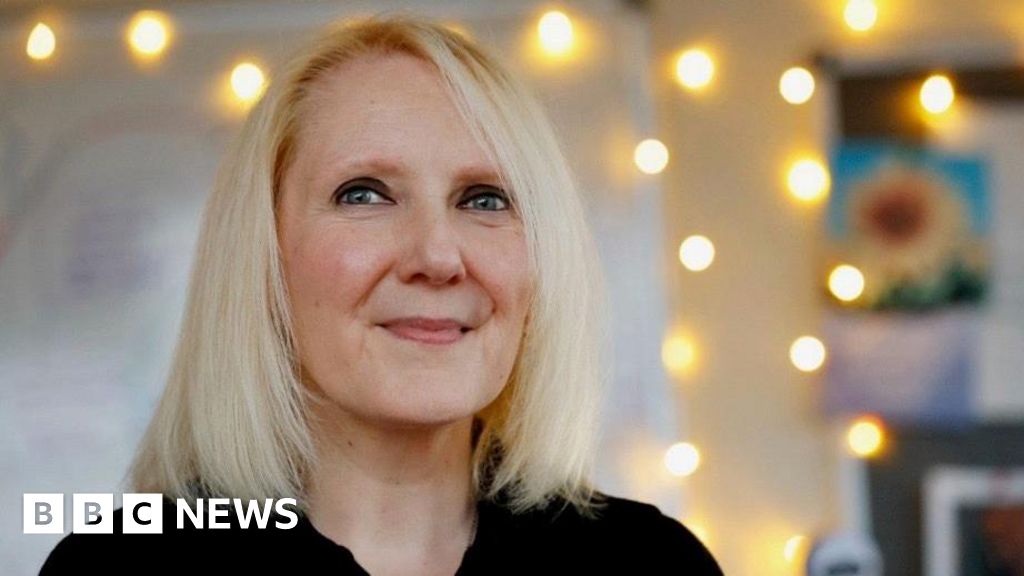
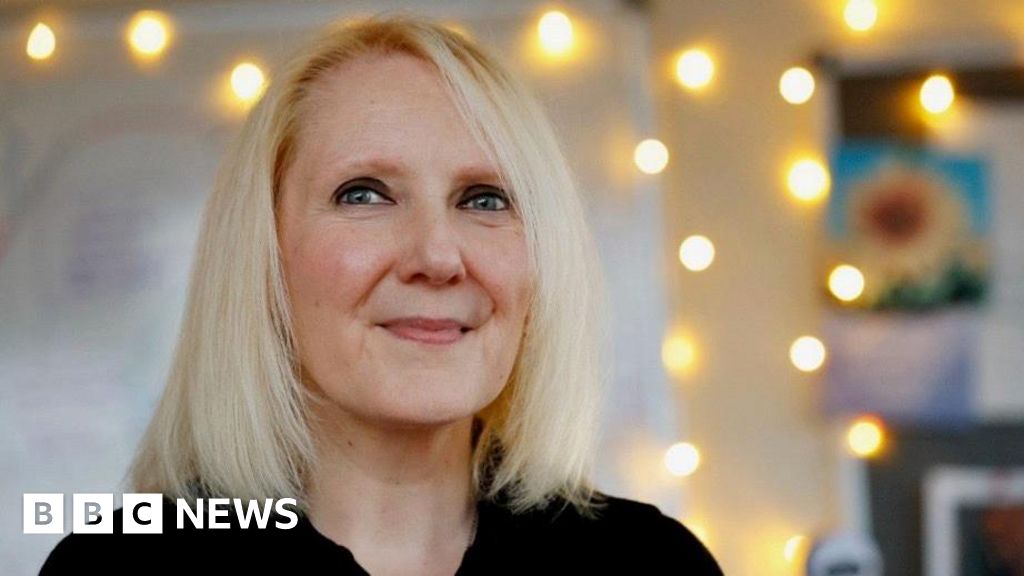
The head of a prominent disability rights organisation, Tressa Burke, has made a powerful statement by declining a Member of the Order of the British Empire (MBE) in the New Year Honours List, citing the "simply intolerable" conditions faced by disabled people across the UK. Burke, the dynamic chief executive of the Glasgow Disability Alliance (GDA), was recommended for the honour in recognition of her extensive and dedicated services to people with disabilities, a testament to her decades of advocacy and leadership. However, in a letter addressed to the Cabinet Office, which she subsequently shared on social media platform X, she delivered a scathing indictment of recent policy decisions by the UK government, including significant changes to the vital Motability scheme unveiled in the Chancellor’s Autumn Statement.
The decision by Burke, a respected figure within the disability community, sends a potent message regarding the deep-seated frustrations and anxieties permeating the lives of disabled individuals and their families. The Cabinet Office, when approached by BBC Scotland News for comment on the matter, maintained its standard policy of not discussing individual honours, a stance that offers little solace to those impacted by the policies Burke criticises.
Burke disclosed that she received the formal notification of her proposed honour on November 26th, a date etched in her memory as it coincided with the UK government’s Autumn Statement delivered by Chancellor of the Exchequer Jeremy Hunt. Speaking to BBC Radio Scotland Breakfast, Burke described this timing as particularly "grim" for disabled people in Glasgow and indeed across the nation. She articulated the profound fear gripping many, who are now "frightened to put their heating on, to pay their bills," feeling a palpable sense of being "under attack from the UK government" due to a series of austerity measures and welfare reforms.
"I just felt I could not accept a personal honour because disabled people were being so dishonoured in society at this time with the political choices that are being made," Burke explained, her words resonating with a deep sense of moral conviction. She further elaborated that the challenges faced by disabled people are not merely recent developments but are the cumulative result of successive governments’ actions, which she believes have consistently "wronged disabled people, who had been blamed, scapegoated and relegated to the bottom of society." The Autumn Statement, in her view, represented a significant "missed opportunity" to meaningfully invest in and safeguard disabled services, instead paving the way for a "deepening inequality and injustice" that threatens to push vulnerable individuals further into poverty and isolation.
The MBE, an acronym for Member of the Most Excellent Order of the British Empire, is one of the lowest-ranking honours in the British honours system, yet it remains a highly coveted recognition for significant achievement or service to the community. Awarded by the monarch on the advice of the Prime Minister, it symbolises official acknowledgement and appreciation for an individual’s contributions. To reject such an honour, particularly when bestowed for one’s life’s work, is a rare and profoundly political act. It transforms a personal commendation into a public protest, leveraging the visibility of the award to highlight systemic injustices rather than accepting individual accolades. Historical precedents exist where individuals have turned down honours to protest government policies or the nature of the honours system itself, adding a layer of historical significance to Burke’s decision.
The core of Burke’s condemnation lies in the specifics of the Autumn Statement and broader government policies. The "cuts to the Motability scheme" she referenced are particularly contentious. Motability is a charitable scheme that enables disabled people to lease a new car, scooter, or powered wheelchair in exchange for their mobility allowance. For many, it is not a luxury but an essential lifeline, providing independence, access to employment, education, healthcare, and social activities. Any changes or cuts to this scheme can severely impact their ability to navigate daily life, effectively trapping them at home and exacerbating social exclusion. Details of the precise changes often involve adjustments to eligibility criteria, available models, or financial contributions, all of which can have disproportionate effects on those reliant on the service.
Beyond Motability, Burke highlighted the broader impact of the cost-of-living crisis on disabled individuals. Disabled people frequently face higher living costs compared to non-disabled people due to increased energy needs for medical equipment or heating, specialised dietary requirements, the necessity of accessible transport, and the cost of essential care and adaptive equipment. When combined with "inadequate" benefits, these elevated expenses create a precarious financial situation where basic necessities become unaffordable. The fear of choosing between "heating or eating" is a stark reality for many, and Burke’s comments underscore this profound vulnerability.
In her detailed letter, dated December 3rd, Burke articulated several key concerns. She pointed to "inadequate" benefits, arguing that while some disability benefits may see inflationary increases, their baseline remains insufficient to cover essential living costs, especially when factoring in the disability cost premium. This premium, an extra cost associated with living with a disability, is often underestimated by government calculations, leading to a persistent shortfall in financial support.
Another critical point was what she termed "backdoor taxation" for social care support. This refers to the practice of local authorities charging disabled people for their care services, often after complex means-testing. Even with partial funding, these charges can consume a significant portion of a disabled person’s income, effectively diminishing their already limited financial resources. This approach stands in stark contrast to the principle of free social care, which many advocates believe is essential for equality and independent living.
Burke did acknowledge "some positives" within the Autumn Statement, such as the commitment to increase disability benefits in line with inflation and the proposed removal of the two-child benefit cap. While these measures offer a degree of relief, she argued they are "vastly overshadowed by the extremely draconian actions being taken which negatively impact disabled people’s lives and plunge them into further poverty, removing them even more, from living lives of meaning and fulfilment." The inflationary increase in benefits, while welcome, often merely prevents further erosion of real-terms value rather than providing a genuine uplift, especially given years of austerity. The two-child benefit cap, which limits welfare payments to the first two children in a family, has been widely criticised for pushing more children into poverty. Its removal, or the introduction of exceptions, is a step towards alleviating poverty for some families, including those with disabled parents or children. However, Burke’s overall assessment suggests these positive steps are minor concessions in the face of broader, more damaging policies.
A particularly glaring disparity highlighted by Burke was the increased investment in children’s social care without a commensurate rise in funding for adult social care. This imbalance creates immense pressure on the adult social care system, which is already struggling with chronic underfunding, staff shortages, and increasing demand. The consequences spill over into the National Health Service (NHS), as inadequate social care often leads to delayed hospital discharges and increased emergency admissions for disabled adults who cannot access the support they need in the community. This interconnectedness underscores the systemic nature of the crisis.
Finally, Burke lambasted the introduction of stricter assessments for Personal Independence Payments (PIP). PIP is a benefit designed to help with the extra costs of long-term ill-health or disability. However, the assessment process, often conducted by private contractors, has been widely criticised for its rigidity, lack of understanding of complex conditions, and high rates of incorrect decisions that necessitate lengthy and stressful appeals. Stricter criteria and more rigorous assessments often result in legitimate claims being denied, forcing disabled people into desperate circumstances and further eroding trust in the welfare system.
Burke received a reply from the Cabinet Office on December 23rd, acknowledging her email. The response stated, "The prime minister was sorry not to be able to include your name in the recommendations which were submitted to The New Year [Year following the Autumn Statement] Honours List, but he of course respected your wishes." This standard, polite refusal to engage with the substance of her protest serves to underscore the institutional distance between the government and the lived experiences of those directly impacted by its policies.
Tressa Burke’s rejection of the MBE is more than a personal decision; it is a profound act of solidarity and a potent symbol of resistance against policies perceived as actively harming disabled people. It forces a spotlight onto the often-invisible struggles of a significant portion of the UK population, challenging the government to move beyond rhetoric and towards tangible, compassionate, and equitable support for all its citizens. Her action adds a powerful voice to the growing chorus of disability advocates demanding systemic change and a society that truly honours and values its disabled members.


 Nana Banana
 atisusanti
 Nakalama John
 George Anjay