
 Nakalama John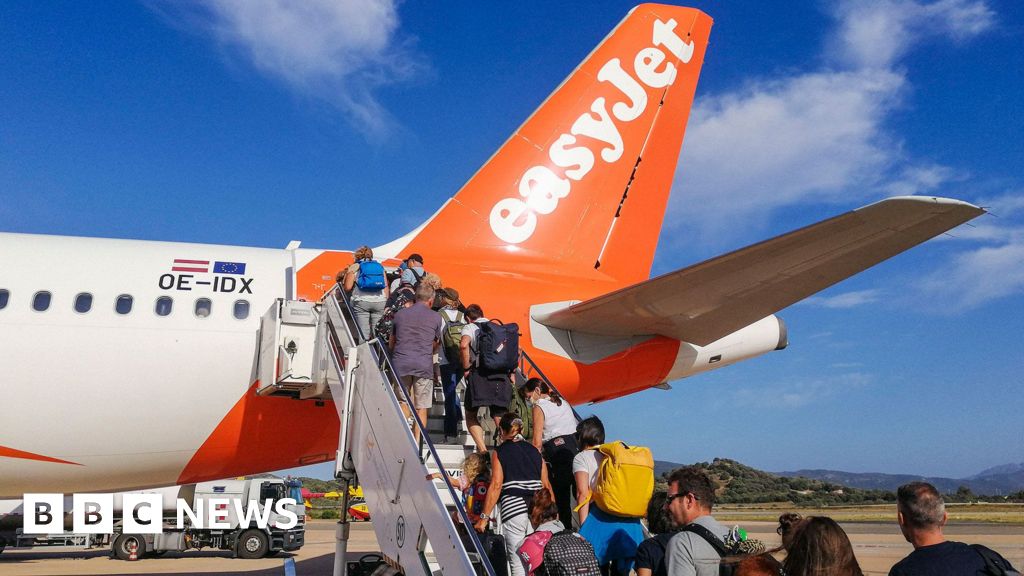
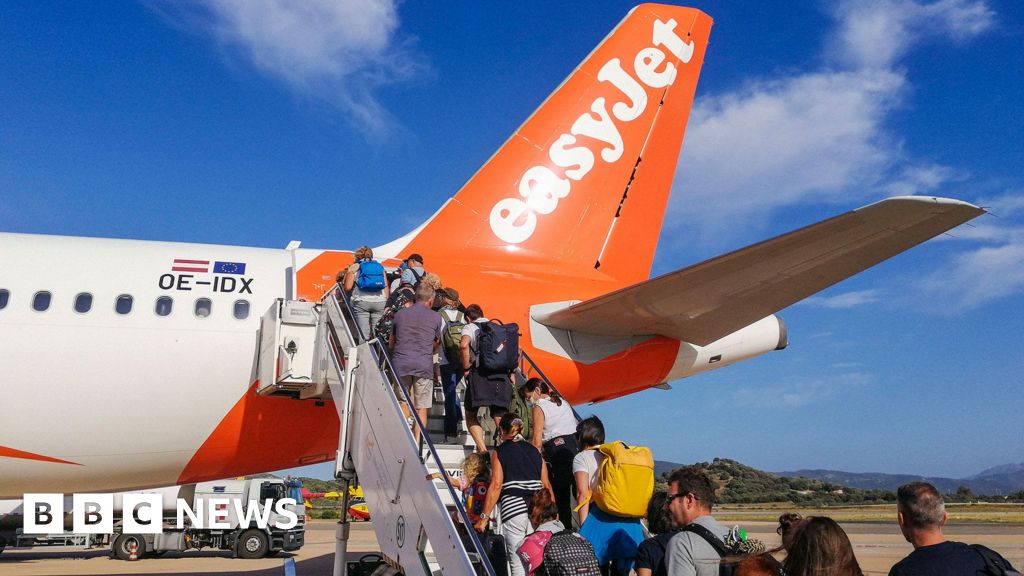
The complaint was initially brought to the ASA’s attention by the influential consumer group Which?, which has consistently campaigned against what it perceives as deceptive pricing practices among airlines. Which? highlighted EasyJet’s claim on its website, arguing that it created an expectation among consumers that large cabin bags would be readily available for £5.99. This expectation, Which? contended, was frequently unmet, leading to frustration and unexpected expenses for travellers. The consumer group’s intervention reflects a broader concern about transparency in travel advertising, where the true cost of a journey often only becomes apparent after multiple clicks and additions.
EasyJet, in its defence, stated that its intention was to provide "clear information to our customers on pricing" and that the webpage in question aimed to display factual information on fees and charges. The airline insisted that £5.99 was indeed the starting point for adding carry-on bags and that this price was accurate on "several routes." They argued that the absence of bags available for less than this price meant the claim was not misleading. However, the ASA’s remit extends beyond mere technical accuracy of a minimum price; it focuses on the reasonable interpretation and expectation of the average consumer.
The advertising watchdog specifically required EasyJet to provide evidence that large cabin bags could be booked for £5.99 "across a significant proportion of flight routes and dates." This is a crucial distinction. While a price might technically exist on an obscure route at an unpopular time, if it’s not widely available, it fails to meet the standard of what consumers expect from an "from" claim. EasyJet, despite its assertions, was unable to furnish this comprehensive evidence to the ASA’s satisfaction. Consequently, the ASA ruled that the claim was indeed misleading and instructed EasyJet to cease using such wording in its future communications.
In response to the ruling, EasyJet has swiftly updated its website. The section previously featuring the contentious claim now states: "Fees vary with demand, route, flight date and time of booking. You’ll see exact price at time of purchase." This revision acknowledges the dynamic pricing model employed by many airlines, where costs fluctuate based on numerous variables. EasyJet explained that it was "not able to provide specific figures" for cabin bag prices precisely because they are subject to availability and demand, making a static "from" price difficult to consistently uphold across its network. The airline maintained that customers would always see the actual price of a cabin bag clearly during the booking process, suggesting that ultimate transparency is achieved at the point of sale.
Travel expert Simon Calder weighed in on the issue, highlighting the broader implications for passengers. He explained that flying with certain budget airlines can lead to unexpectedly high baggage charges, sometimes dramatically inflating the total cost of a trip. Calder noted that the cost of adding a standard cabin or checked bag on some routes could increase the overall price of the journey by as much as 165%. This stark statistic underscores the frustration many travellers experience, where the ancillary fees for baggage can easily eclipse the cost of the flight ticket itself. "If you want to take anything more than a small personal bag, then you could end up paying more for that than your actual ticket," Calder observed, painting a vivid picture of the disproportionate costs.
Which? further reinforced these concerns, stating that its own research indicated typical cabin bag prices for EasyJet were often five times higher than the advertised £5.99 claim. Rory Boland, editor of Which? Travel, articulated the consumer group’s deep-seated frustration: "It’s frankly astonishing that airlines think they can ignore the rules and mislead customers with unattainable prices, so it’s absolutely right that the ASA has made this ruling." Boland described a pervasive "culture" among airlines of using "low headline fares, then charging exorbitant prices on top to take a standard cabin bag." He urged consumers to consider airlines that do not impose additional cabin bag charges, as this might ultimately prove to be the more economical choice.
Consumer rights expert Jane Hawkes echoed the sentiment that this issue is far from unique to EasyJet, representing a systemic problem across the budget airline sector. She stressed that such practices "only serve to reduce customer confidence [if airlines] increase confusion about baggage." The constant shifting of pricing structures and the lack of upfront clarity contribute to a sense of distrust and resentment among travellers, who feel they are being subjected to a convoluted pricing game rather than transparent service. This erosion of confidence can have long-term repercussions for brand loyalty and customer satisfaction within the highly competitive airline industry.
The debate around cabin bag fees and misleading advertising is not confined to national regulatory bodies but has also reached the highest levels of European policymaking. Last year, European Union lawmakers voted overwhelmingly to compel airlines to allow passengers to bring a carry-on bag of up to 7 kilograms on board for free. This proposed law, if implemented, would represent a significant shift from the current "unbundled" model prevalent among many low-cost carriers. The motivation behind this legislative push is clear: to address widespread passenger complaints about hidden fees and inconsistent baggage policies across different airlines and routes.
However, the path to implementation for this EU law is not straightforward. While European parliamentarians have cast their vote, the legislation still requires approval from member states before it can be enacted. This process can be lengthy and fraught with lobbying efforts from airlines that stand to lose a significant portion of their ancillary revenue. If it eventually comes into force, the law would force a fundamental re-evaluation of pricing strategies for many budget airlines, potentially leading to higher headline fares but greater transparency in overall costs. For now, consumers must remain vigilant, carefully scrutinising baggage allowances and fees before booking, as the landscape of airline pricing continues to evolve. The ASA’s ruling against EasyJet serves as a powerful reminder of the importance of clear, honest advertising in an industry where hidden costs can quickly accumulate.


 George Anjay
 Ramos Leo

 atisusanti