
 Ramos Leo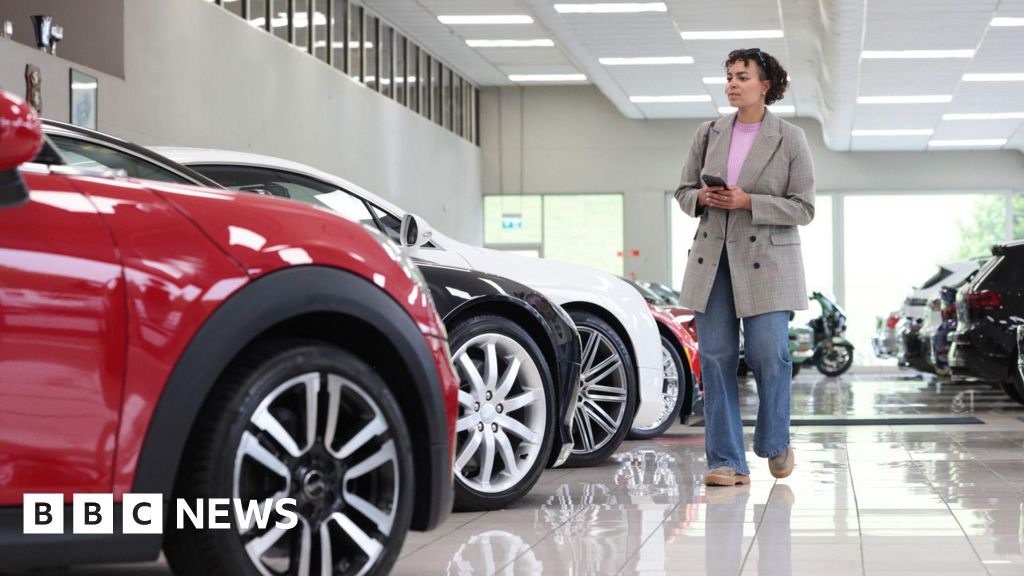
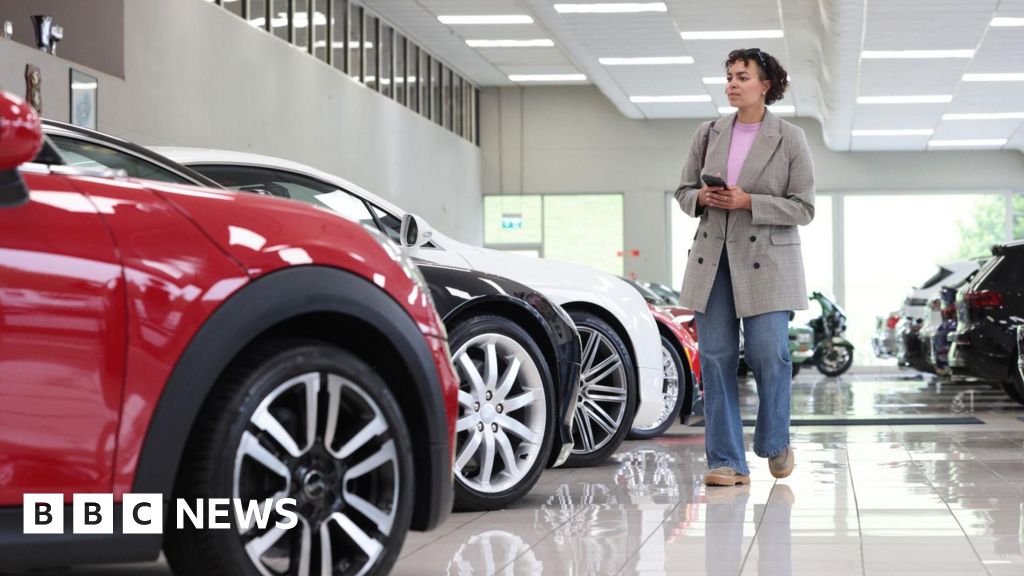
According to the latest figures released by the Society of Motor Manufacturers and Traders (SMMT), a total of 2,020,373 new cars hit UK roads in 2025, marking the third consecutive year of growth following the pandemic-induced downturns. While this represented a robust recovery, it still fell short of the 2.3 million vehicles registered in 2019, indicating that the market has not yet fully rebounded to pre-Covid levels. Crucially, almost half a million of these new registrations were electric vehicles, signalling a strong, albeit perhaps artificially stimulated, surge in EV adoption.
SMMT chief executive, Mike Hawes, acknowledged the "reasonably solid result amid tough economic and geopolitical headwinds," praising the industry’s resilience. Yet, his optimism was tempered by deep concerns over the pace of electric car sales, which he warned are not accelerating quickly enough to align with the government’s ambitious environmental targets. This growing disparity between consumer demand and regulatory expectations, he argued, is forcing carmakers into financially precarious positions.
The core of Hawes’ apprehension lies in the massive incentives and discounts manufacturers are currently deploying to shift electric models. He estimated these industry-wide discounts amounted to more than £5 billion last year, translating to an average of approximately £11,000 off the price of every electric vehicle sold. Such significant price reductions, Hawes firmly stated, are "unsustainable" in the long run.
In 2025, electric cars accounted for 473,340 new registrations, securing a market share of 23.4%. While this represented a substantial increase from 2024, it still lagged behind the government’s headline target of 28% set under the Zero Emission Vehicles Mandate (ZEV Mandate). This mandate, a cornerstone of the UK’s strategy to accelerate the transition to electric vehicles, stipulates that car manufacturers must sell a progressively increasing percentage of zero-emission vehicles as part of their overall sales. Failure to meet these stringent targets can result in heavy financial penalties.
However, the ZEV Mandate is not without its flexibilities. In April 2025, the government introduced concessions designed to ease the burden on manufacturers, following intensive lobbying from various industry players. These included provisions allowing carmakers to avoid penalties by reducing emissions from their conventional internal combustion engine (ICE) vehicle fleets or by purchasing surplus ’emissions credits’ from manufacturers who exceed their own EV sales targets. Furthermore, the fines for non-compliance were also reduced.
Despite these adjustments, Hawes maintained that carmakers are still under immense pressure to meet the mandated quotas, resorting to hefty discounts as a primary lever. He underscored that this strategy is particularly untenable given the even more arduous target of 33% for electric vehicle sales expected for 2026. Consequently, Hawes called upon the government to bring forward its planned review of the ZEV Mandate, currently slated for 2027.
"It is increasing the number of battery electric vehicles (BEVs) being sold," Hawes conceded, referring to the mandate’s immediate impact. "The question is, at what cost?" He stressed that an earlier review should comprehensively examine factors that have significantly evolved since the targets were initially conceived. These include a marked increase in global energy prices, the escalating costs of raw materials essential for EV battery production, and broader geopolitical instability – all of which have collectively made the operating environment considerably more challenging for car manufacturers.
While advocating for a review, Hawes was careful to clarify that the industry is not seeking to abandon its commitment to electrification. "Don’t get me wrong – the industry is not diverting course," he insisted. "It needs to sell these vehicles because it has invested so heavily in them. But you need to make sure the market reflects more closely the actual level of demand." The implication is that while manufacturers are fully invested in the electric future, the current regulatory framework is creating an artificial demand that is financially unsustainable without adequate consumer incentives or more realistic targets.
Echoing Hawes’ sentiments, Eurig Druce, group managing director for Stellantis in the UK (which encompasses brands like Vauxhall, Peugeot, and Citroen), also urged an accelerated review of the ZEV Mandate, suggesting it be moved to early 2026. Speaking to the BBC’s Today programme, Druce highlighted that "the UK is increasingly out of step with the position in Europe and the rest of the world" regarding EV policy. He argued that an expedited review would provide manufacturers with crucial "certainty" when making long-term investment decisions, and simultaneously empower consumers to "make the right choice for the cars that they want to buy for their future." The perceived misalignment with international approaches could deter global manufacturers from prioritizing the UK market for EV allocation, potentially limiting consumer choice and innovation.

However, not all commentators share the industry’s level of concern regarding the ZEV Mandate. Colin Walker of the Energy and Climate Intelligence Unit, an influential environmental research group, offered a more positive assessment of the latest registration figures. He welcomed 2025 as "another bumper year for EV sales, with nearly one in four cars sold… being an EV." Walker emphasized the broader societal benefits of the mandate, noting that "this policy in turn will boost the UK’s second-hand market where the majority of us buy our cars, easing cost of living concerns for drivers." The creation of a robust second-hand EV market is seen as a vital step towards making electric mobility accessible to a wider demographic.
The government has indeed implemented various measures aimed at supporting the uptake of electric vehicles over the past year. These include the significant £1.3 billion Electric Car Grant Scheme, which provides financial assistance of up to £3,750 towards the purchase of a new electric vehicle, thereby directly lowering the barrier to entry for consumers. Substantial funding has also been allocated to developing and expanding the national charging infrastructure, a critical component for addressing ‘range anxiety’ and improving the practicality of EV ownership.
Yet, a contrasting policy announcement from the autumn Budget has raised eyebrows within the industry. The government revealed plans to introduce a ‘per mile’ tax on electric vehicles, a measure designed to offset the anticipated reduction in fuel duty revenues as more drivers switch from petrol and diesel cars. The independent Office for Budget Responsibility (OBR) subsequently projected that this new tax could result in 440,000 fewer electric cars being sold over a five-year period.
This conflicting policy approach has been a source of frustration for industry leaders. "This is one of the challenges we see," Hawes lamented. "To have a technological shift like this, you need consistent, coherent and compelling messaging and support… Even the announcement of a tax specifically on EVs will send a very conflicting message to consumers." Such mixed signals, he argued, risk undermining consumer confidence and slowing down the very transition the government aims to accelerate.
In essence, the UK’s electric vehicle market finds itself at a critical juncture. While sales are growing and the ZEV Mandate is pushing manufacturers to electrify their fleets, the financial strain of achieving these targets through unsustainable discounting, coupled with inconsistent government policy, poses a significant risk. The call for an urgent review of the ZEV Mandate reflects a deep-seated desire within the industry for a more pragmatic and supportive framework that can reconcile ambitious environmental goals with economic realities and long-term market stability. Without such adjustments, the current pace of EV adoption, while seemingly robust, may prove to be built on a foundation of unsustainable practices.




 atisusanti
 Nakalama John
 George Anjay
 Roy Suryo