Roy Suryo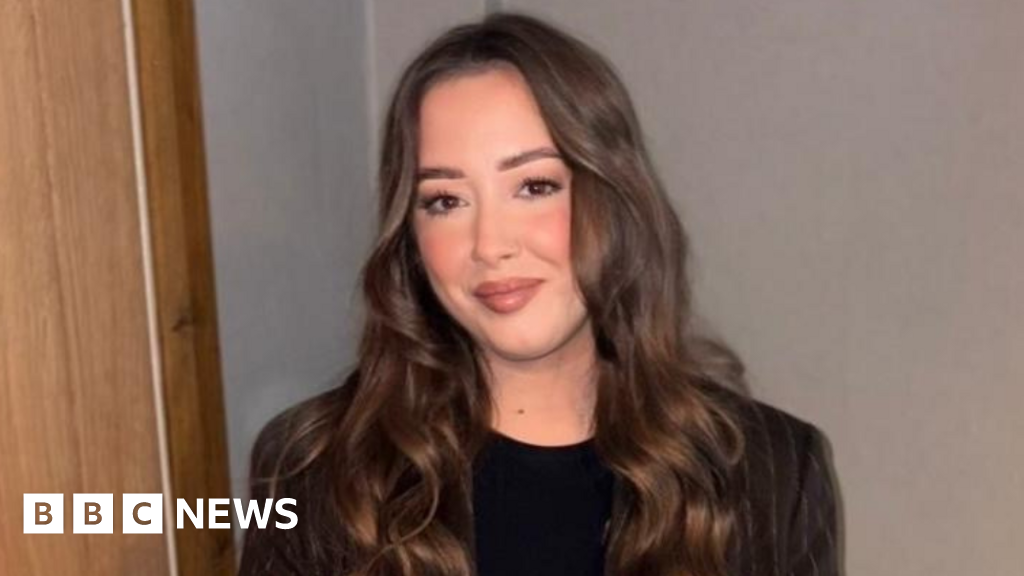
‘My endometriosis pain is excruciating but I’m still waiting for surgery’
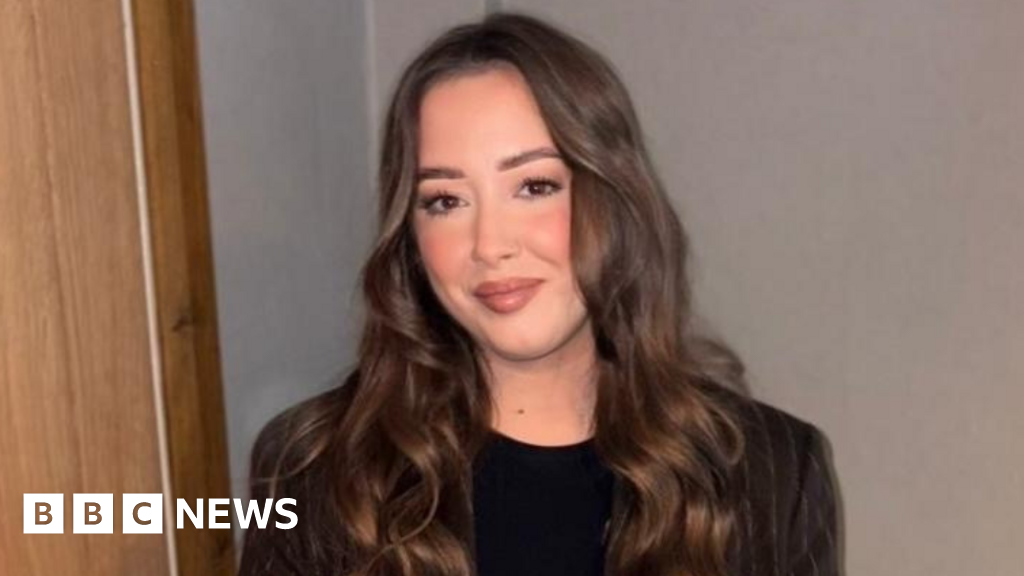
Laura Maguire, a 25-year-old from Londonderry, vividly describes the debilitating pain of endometriosis as akin to "barbed wire" constricting her insides. Her life has been irrevocably impacted by the condition, forcing her into an early medicated menopause as she endures a potentially multi-year wait for crucial surgery. This stark reality is amplified by alarming statistics from the Royal College of Obstetricians and Gynaecologists (RCOG), revealing that 59,733 women in Northern Ireland are currently on gynaecology waiting lists, a staggering 18% increase in just 12 months. The Department of Health acknowledges the unacceptability of these waiting times, confirming their inclusion in ongoing reviews of hospital waiting lists.
‘Waiting lists are too long’
Endometriosis, a chronic and often debilitating condition, occurs when tissue similar to the lining of the uterus grows outside of the womb, impacting organs such as the ovaries, fallopian tubes, and other pelvic structures. For Laura Maguire, the pain is not a mere inconvenience but a constant, agonizing presence. "The pain is excruciating," she states, her voice tinged with frustration and despair. "At its worst, it’s like barbed wire inside me and clinging to my organs. I am so ill I can often spend days in bed."
The forced early menopause is a particularly bitter pill to swallow for Maguire, who feels she is undergoing a profound bodily change not by choice, but due to systemic failures. "I am only 25 and I am doing this to my body through no choice," she exclaims. "I need surgery to remove the disease, but the waiting lists are too long. I’m told there are too many more serious cases ahead of me." The presence of large cysts on her ovaries further exacerbates her pain, with surgery being the only recommended course of action. The prospect of future family planning is also cast into uncertainty. "My partner and I want to have more children," she adds, her voice heavy with worry. "I have my little girl, but as a young woman I want to make sure that I can have an option to get pregnant again – at this stage, I just don’t know."
The RCOG’s latest analysis paints a grim picture for gynaecology waiting lists across the UK, with Northern Ireland experiencing the most severe crisis. Projections indicate that by the start of 2026, the queue of women waiting for essential gynaecology care in Northern Ireland would stretch nearly 15 miles if they were to stand shoulder to shoulder, an increase of over two miles since November 2024. Across the entire UK, a staggering 743,312 women are awaiting vital gynaecological treatment.
Dr. Alison Wright, president of the RCOG, acknowledges the tireless efforts of her members to address the escalating demand, but highlights the immense pressure on services that has stretched capacity at every level of care. "With the right investment, there is a real opportunity to change this situation for women," she asserts. "By re-prioritising the health needs of 51% of the population, we can make genuine improvements to women’s lives – ensuring they can access the high-quality care they need, when they need it."
A significant review of gynaecology services by the Getting it Right First-Time (GIRFT) team in 2024 recommended that health trusts prioritize women who have been waiting for over a year for surgery. The report was highly critical of the protracted waiting times. Following a BBC News NI investigation into gynaecology waiting times in 2023, the RCOG characterized the system as "close to the brink." Consultant surgeon Hans Nagar has previously emphasized the profound "physical and psychological impact of waiting on women," stating that the current system for managing gynaecological conditions like endometriosis is failing, and that women in Northern Ireland are "getting a raw deal."

‘Debilitating and life-changing’
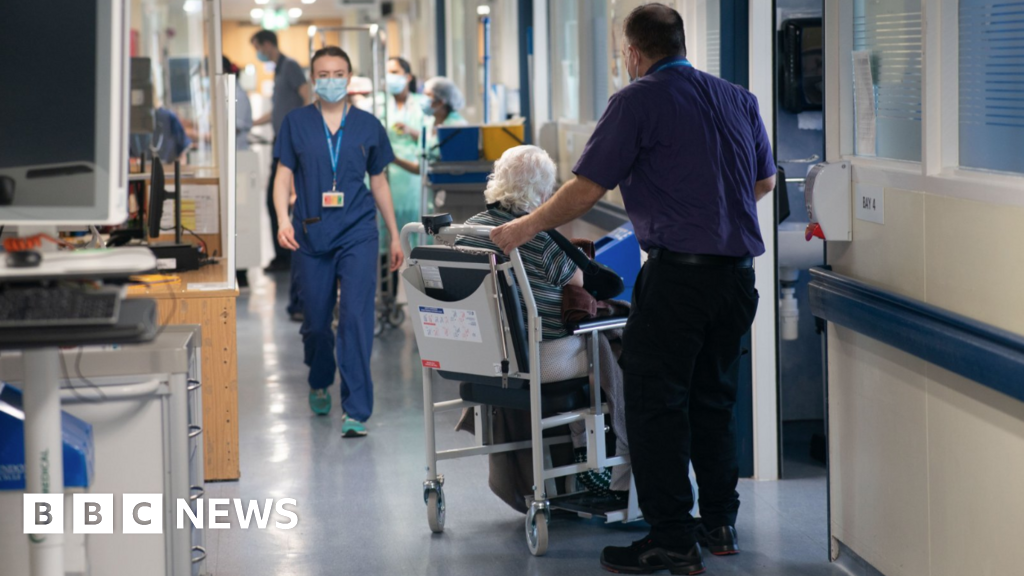
The latest estimates reveal a deeply concerning trend: 56% of patients are now waiting over 52 weeks for treatment. Women who have shared their experiences with BBC News NI report that waiting up to five years for an initial consultation with a consultant, and even longer for surgery, is not uncommon.
Marie Brown, from Belfast, is one such woman who endured a harrowing 20-year wait for an endometriosis diagnosis. "During that time, I was told mainly by male doctors that it was just period pain and I would have to live with it," she recounts, her voice filled with the weariness of a prolonged battle. Brown, a former teacher, was forced into medical retirement due to the overwhelming physical toll of the condition. "My life has been ruined waiting for treatment for endometriosis," she states emphatically. "The pain is chronic – at one stage I was so bloated and unable to eat they thought I may have ovarian cancer."

Brown’s frustration extends to the perceived lack of prioritization for gynaecological issues. "Gynae issues and especially endometriosis are just not prioritized – it is debilitating and life-changing but just not taken seriously by the health service." Although she eventually underwent surgery, its success was limited, and she has been on the waiting list for almost two years for further treatment. The RCOG has declared that 2026 must represent a turning point for women awaiting gynaecological care, advocating for swifter, more decisive action to support those currently waiting and to address the systemic capacity issues that are driving the prolonged delays in Northern Ireland.

 Ramos Leo
 atisusanti
 Nakalama John
 George Anjay