
 George Anjay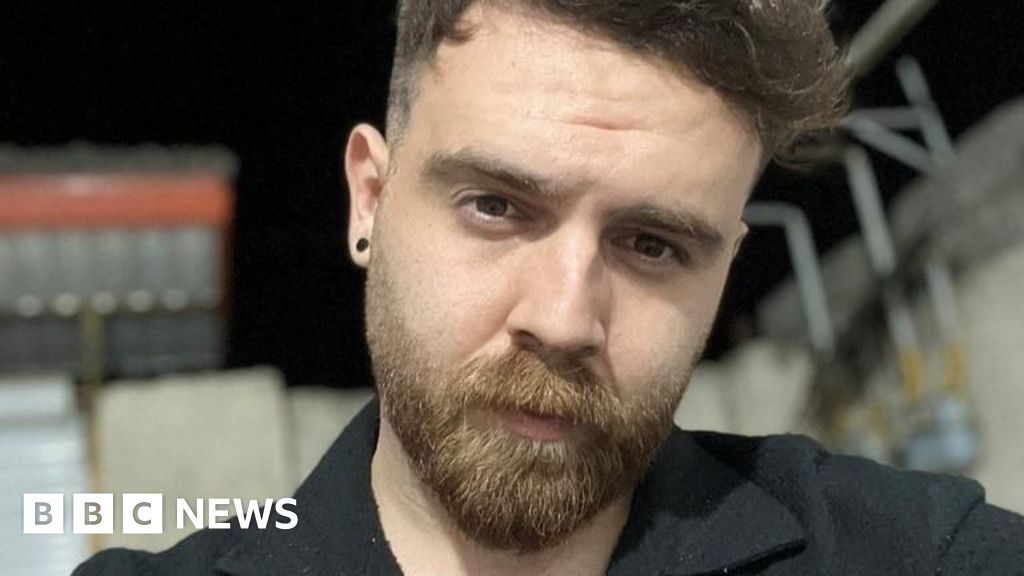
Iran’s judiciary has vehemently denied any scheduled execution for Erfan Soltani, a 26-year-old man arrested in connection with the country’s recent wave of widespread protests. The denial comes amidst a backdrop of escalating international pressure and grave concerns for the safety of detained demonstrators. Norway-based Kurdish human rights organization Hengaw had earlier reported that Soltani’s family had been informed of a pending execution for Wednesday, a mere few days after his apprehension. While Hengaw later cited the family as stating Soltani’s execution had been "postponed," the organization continues to voice "serious and ongoing concerns" for his life.
The Iranian judiciary, in its official statement, asserted that Soltani faces charges of "colluding against national security" and "propaganda activities against the establishment." Crucially, the judiciary emphasized that these specific charges are not punishable by the death penalty, according to state broadcaster IRIB. This assertion directly contradicts the reports that fueled the initial alarm regarding Soltani’s fate. The judiciary further condemned the reports published by foreign media organizations concerning Soltani’s alleged execution as a "blatant act of news fabrication." Reinforcing this stance, Iranian Foreign Minister Abbas Araghchi explicitly stated that there was "no plan" to execute individuals.
These developments unfolded in the wake of a stern warning from U.S. President Donald Trump, who had declared that the United States would implement "very strong action" if Iran proceeded with the execution of protesters. Speaking to reporters on Wednesday, President Trump indicated that "very important sources on the other side" had conveyed to him that "the killing in Iran is stopping, and there’s no plan for executions." This statement suggests a potential diplomatic backchannel or intelligence indicating a shift in Iran’s approach to the detained protesters, at least publicly.
However, a starkly contrasting picture emerged from Hengaw’s reporting to the BBC. The human rights group stated that Erfan Soltani had been denied access to legal counsel, a fundamental right in any judicial process. Furthermore, Soltani’s family remained unaware of any official charges formally brought against him, adding a layer of opacity and distress to the situation. Soltani, identified as a clothes shop owner, was reportedly arrested at his residence last Thursday. His detention is understood to be linked to the protests that erupted in the northern city of Fardis, located west of Tehran.
The judiciary, however, presented a different timeline and context for Soltani’s arrest. They claimed he was apprehended during "riots" on Saturday and is currently being held in a prison in the neighboring city of Karaj. This discrepancy in the timing and alleged circumstances of his arrest further complicates the narrative and raises questions about the transparency of the proceedings.
The Iranian judiciary’s stance is further underscored by the recent pronouncements of Iran’s chief justice, Gholam-Hossein Mohseni-Ejei. Chief Justice Mohseni-Ejei has been an vocal advocate for the swift trial and punishment of individuals deemed "rioters." In a video released on Wednesday, he articulated a strong sentiment for expedited legal processes, stating, "Those elements who beheaded people in the streets or burned people alive must be tried and punished as quickly as possible. If we don’t do it fast, it won’t have the same impact." This rhetoric suggests a prevailing atmosphere of urgency and severity within the Iranian judicial system concerning those involved in the unrest.
The current wave of protests that has gripped Iran originated from a series of strikes by shopkeepers in Tehran. These demonstrations were initially triggered by the escalating cost of living and the persistent depreciation of the national currency. However, the movement rapidly gained momentum, spreading across the country and evolving into a direct challenge to Iran’s clerical establishment. The protests have notably targeted the Supreme Leader, Ayatollah Ali Khamenei, with demonstrators chanting slogans such as "Death to the dictator" and "Seyyed Ali [Khamenei] will be toppled this year."
The intensity of the protests escalated significantly last Thursday, prompting a forceful response from the authorities. This crackdown was largely masked by a near-total shutdown of internet and communication services, severely limiting the flow of information both domestically and internationally. In the absence of official, verifiable figures from Iran, the U.S.-based Human Rights Activists News Agency (HRANA) has provided estimates of the casualties. According to HRANA, at least 2,435 protesters have been killed since the unrest began. This grim toll reportedly includes 13 children and 153 individuals affiliated with the security forces or government. Furthermore, HRANA reports that an additional 18,470 protesters have been arrested during the crackdown.
The international community continues to monitor the situation in Iran with deep concern, particularly regarding the fate of those detained during the protests. The denial by Iran’s judiciary regarding Erfan Soltani’s execution offers a glimmer of hope, but the persistent reports of denied legal access and the lack of clarity on formal charges underscore the ongoing human rights concerns surrounding the detentions. The stark contrast between the judiciary’s official statements and the accounts from human rights organizations highlights the challenge of obtaining independent verification of events within Iran and emphasizes the critical need for transparency and adherence to international legal standards in the handling of detained protesters. The diplomatic pressure exerted by countries like the United States, coupled with the tireless efforts of human rights organizations, plays a crucial role in advocating for the safety and fair treatment of individuals caught in the midst of Iran’s internal turmoil.

 Nakalama John
 Ramos Leo

 atisusanti