
 Nakalama John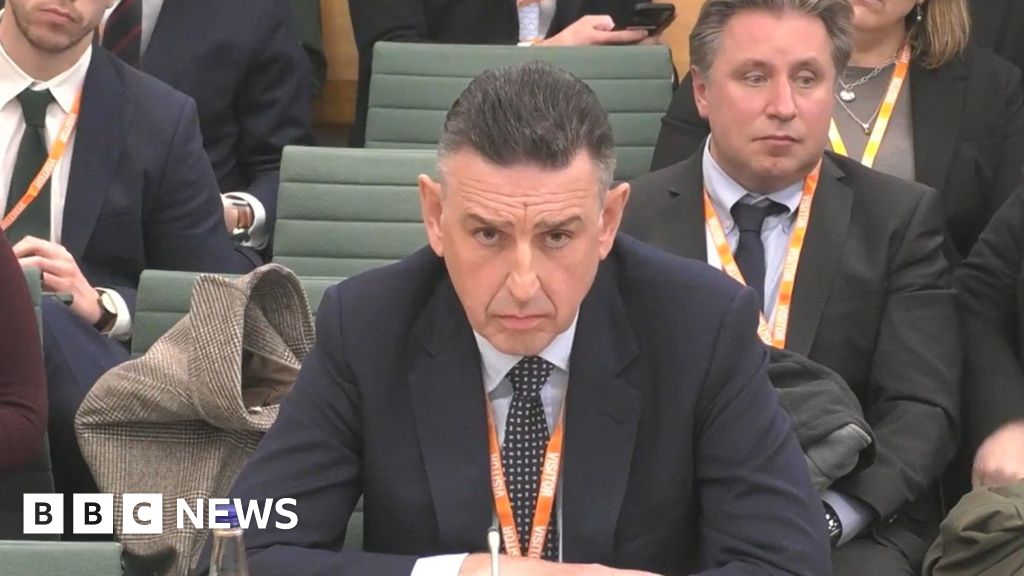
The Horizon scandal, which has gripped the nation, saw more than 900 innocent sub-postmasters and postmistresses wrongly prosecuted between 1999 and 2015. They faced charges including false accounting, fraud, and theft, after the Fujitsu-developed Horizon IT system made it appear as though money was missing from their branch accounts. The system, implemented in Post Office branches across the UK, was plagued with bugs and glitches that caused phantom shortfalls, for which sub-postmasters were held personally liable. Many were forced to use their life savings, remortgage homes, or declare bankruptcy to cover these fictional deficits, desperately trying to avoid criminal charges and imprisonment. The human cost was catastrophic: lives were shattered, reputations ruined, families torn apart, and individuals suffered severe mental health crises, with some even taking their own lives. It stands as a profound stain on the British justice system, now widely acknowledged as the most extensive miscarriage of justice in modern UK history.
This appearance before the Business and Trade Committee marked a significant moment, two years after Patterson himself told the same group of MPs that Fujitsu had a "moral obligation" to contribute to the compensation of those affected. The contrast between that earlier commitment and his current refusal to provide a figure highlighted the growing frustration among parliamentarians and the public alike. Jo Hamilton, a former sub-postmistress and one of the prominent campaigners for justice, was present to hear Patterson’s evidence. Her message was clear and concise: she wanted Fujitsu to "just pay." Speaking before the committee, Hamilton emphasised the financial burden placed on the British public, stating, "Taxpayers have lost a lot of money over this. They should give a chunk of their earnings back to them, to put in the pot, to help pay everybody."
Chancellor Rachel Reeves has allocated £1.8 billion of taxpayers’ money to fund the compensation for the scandal’s victims, with approximately £1.4 billion already disbursed. Despite this substantial public outlay and Fujitsu’s previous pledge to contribute, Patterson remained steadfast in his refusal to disclose a specific amount. He asserted that the firm was awaiting the final report of the independent Post Office Horizon IT Inquiry, led by judge Sir Wyn Williams. "Our commitment is 100%. We will make a contribution to redress, to the government, when we’ve seen the report," he assured MPs, a statement that offered little solace or concrete reassurance. The inquiry, established to examine the causes of the failures, the Post Office’s conduct, and the actions of Fujitsu, is expected to deliver its final findings later this year, potentially shedding definitive light on culpability.
Liam Byrne, the Labour MP who chairs the committee, expressed his profound disbelief regarding the company’s unchanged stance, particularly given its central role in the scandal and its continued engagement with the British government. Byrne directly challenged Patterson, stating, "Your refusal to tell us how much Fujitsu will pay into a £1.8bn bill for taxpayers leads people to the conclusion that, frankly, Fujitsu is behaving like a parasite on the British state." This strong accusation encapsulated the prevailing sentiment of many who feel Fujitsu is attempting to evade its financial responsibilities while simultaneously benefiting from public contracts.

Patterson, visibly defensive, countered the "parasite" accusation by reiterating that the decision to extend contracts lay with the government. He added, "We’re not a parasite. The government has got an option as to whether to extend those contracts or not. If you wish us to walk away from those contracts, we’ll walk away from those contracts." He sought to bolster Fujitsu’s image by highlighting its "proud" 40-year history of investment in the UK, underscoring its 5,000 employees and the hundreds of sub-contractors it supports across the country. This emphasis on its economic contribution aimed to portray the company as a vital partner rather than a detrimental entity.
The committee also pressed Patterson on why Fujitsu, a publicly listed company in Japan, had not made a provision in its own financial accounts for a potential future payout related to the scandal. Patterson explained that the firm’s auditors had advised him it was not necessary to make such a provision until the exact figure of their liability was known. This accounting rationale, while perhaps technically sound, did little to quell concerns that Fujitsu was dragging its feet on accountability. From a corporate governance perspective, the absence of a provision for a widely acknowledged, substantial contingent liability raises questions about the company’s transparency and preparedness for financial consequences.
In a move aimed at demonstrating a degree of responsibility, Fujitsu has pledged not to bid for any new UK public contracts until Sir Wyn Williams’ inquiry into the scandal has concluded. However, this commitment is overshadowed by the fact that, as recently as November, the Post Office agreed to extend its deal to continue using the controversial Horizon system for another year. Patterson confirmed that this extension was granted at the government’s request, underscoring the complex web of reliance and legacy systems that often bind government bodies to long-standing contractors, even in the face of significant controversy. This paradoxical situation highlights the operational challenges faced by the government in disentangling itself from Fujitsu’s deeply embedded technology infrastructure.
The broader implications of the Horizon scandal extend beyond financial compensation. It has sparked a national debate on corporate ethics, government procurement practices, and the justice system’s capacity to identify and rectify systemic failures. The public outcry, significantly amplified by the recent ITV drama "Mr Bates vs The Post Office," has put immense pressure on both Fujitsu and the government to ensure full accountability. The demand is not just for monetary redress but for a fundamental re-evaluation of how large corporations are held to account when their technology impacts public services and individual lives. The eventual contribution from Fujitsu, and the government’s future dealings with the company, will serve as crucial indicators of whether lessons have truly been learned from this unprecedented injustice.




 Ramos Leo

 atisusanti
 George Anjay