Roy Suryo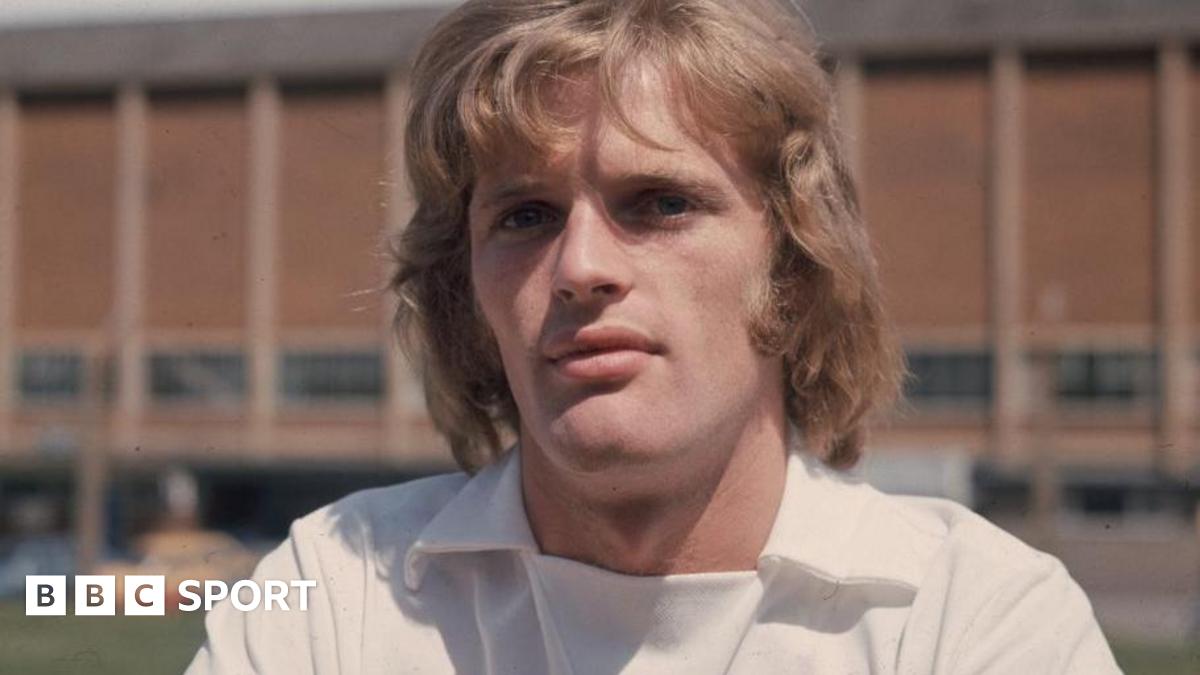
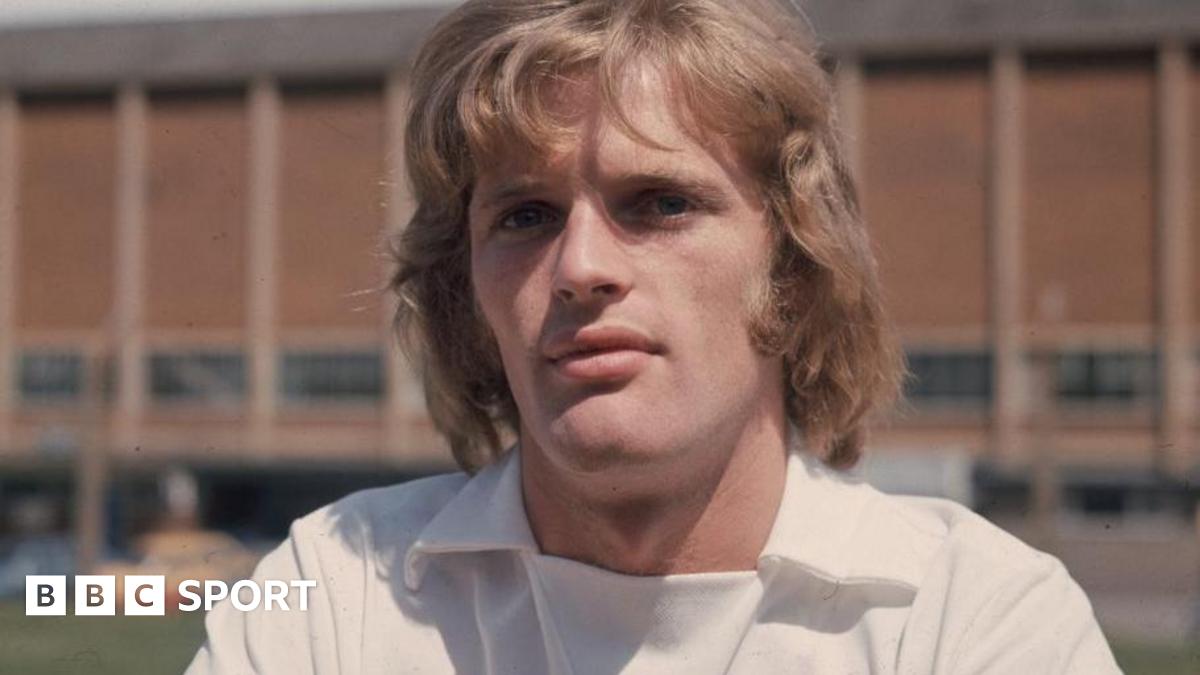
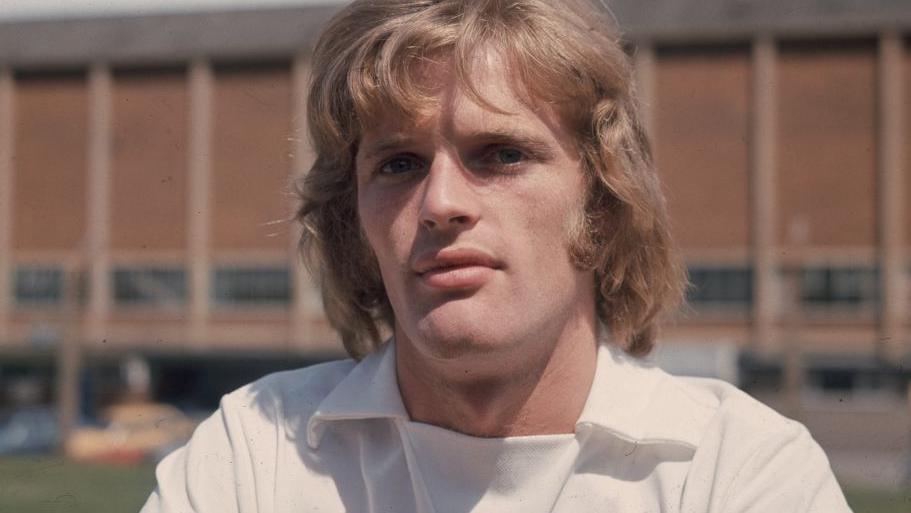
An inquest into the death of former Scotland and Manchester United footballer Gordon McQueen has concluded that repeatedly heading a football "likely" contributed to the brain disease which was a factor in his passing. McQueen, who had been diagnosed with vascular dementia, died in 2023 at the age of 70. The inquest, held in Northallerton, North Yorkshire, delivered a narrative verdict on Monday, with senior coroner Jonathan Heath stating that Mr. McQueen had suffered repetitive head impacts during his career. "I am satisfied that on the balance of probability that repeatedly heading footballs contributed to his developing chronic traumatic encephalopathy (CTE)," Mr. Heath told the court. He added that the combination of CTE and vascular dementia led to pneumonia, and therefore, the cause of death was pneumonia, vascular dementia, and CTE. "It is likely that repetitive head impacts, sustained by heading the ball while playing football, contributed to the CTE," the coroner concluded.
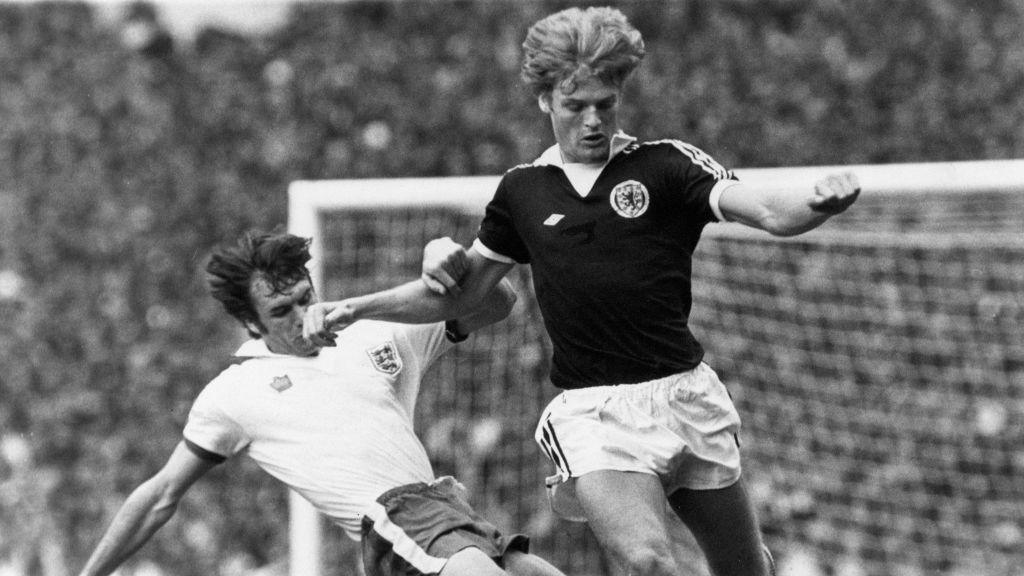
McQueen, a formidable central defender, had a distinguished career spanning from 1970 to 1985. He represented Scotland 30 times and made nearly 350 appearances for St Mirren, Leeds United, and Manchester United. Following his playing career, he moved into management and coaching roles with Airdrie, St Mirren, and Middlesbrough.
Outside the courtroom, McQueen’s daughter, Hayley, a prominent Sky Sports presenter, shared her profound grief and insights. "Dad absolutely loved everything about football, but ultimately, it took him in the end," she said, her voice heavy with emotion. "He went through a horrendous time towards the end of his life. CTE is a very different sort of thing from a traditional dementia – a lot of dad’s symptoms were not typical of that or Alzheimer’s." Hayley revealed the immense financial and emotional toll the illness had on her family. "It depleted my parents’ lifetime savings looking for private care for my dad, and we relied on charities for respite care."
Looking to the broader implications of her father’s diagnosis, Hayley observed, "I know a lot of footballers whose families have reached out, who have symptoms very similar to that of my dad, and I think we’re going to start to see more and more." She drew a stark parallel to the fate of the 1966 World Cup England team, noting that it "has been pretty much wiped out with neurodegenerative disease." Hayley expressed her father’s likely final message: "I think my dad’s main message would be to warn others against the dangers of heading to protect future generations."
The inquest’s findings echo concerns that have been growing within the football community for years. In 2019, the Football Association (FA) and the Professional Footballers’ Association (PFA) jointly funded the ‘Field’ study, which revealed that footballers were 3.5 times more likely to die from neurodegenerative diseases. The FA also co-funds the Brain Health Fund, providing significant financial support to families affected by neurological illnesses in footballers. In a notable step towards addressing the issue, the FA became the first national association to ban deliberate heading in grassroots football matches for under-12s and below in 2022. However, questions persist about the consistent adherence to these measures across all levels of the sport.
Judith Gates, founder of Headsafe Football and the widow of former Middlesbrough footballer Bill Gates, who also died with CTE, emphasized the need for greater action. "We would like to make it a national campaign for heading to be reduced in training," she stated, highlighting that "Most of the head impacts take place in training." Gates expressed concern over the lack of awareness of existing guidelines, noting, "We’ve worked with 44 EFL clubs and only one percent knew about them, and that’s just the professional game." She stressed the urgency of protecting young brains, arguing, "This begins in youth, so it’s young people whose brains we need to be caring for." Gates’s aspiration is clear: "We want Gordon’s legacy, and my Bill’s legacy, to be safer football and for players in the future to enjoy the game we all love without the fear of brain disease."
McQueen’s daughters believe that football authorities need to adopt a more proactive stance. "There are guidelines against heading in youth football and it needs to be implemented more, because it quite clearly isn’t," Hayley asserted. She suggested that "They need help from footballing authorities, but there also potentially needs to be changes to legislation and education." While acknowledging that footballs were heavier in the past, she pointed out, "but they move faster now." Her sister, Anna, added, "I think the football authorities are scared. They’re not sure what the best approach is, but I think now there’s more evidence that it does impact players, they’ve got to do more. They’ve got to stand up and make a change." Anna concluded with a poignant sentiment: "Football is a beautiful sport but it doesn’t need to take people’s lives."
A spokesperson for the PFA commented on the ongoing need for a collective response to support former players and their families affected by neurodegenerative disease. "There is an ongoing need for a collective response, from football and beyond, to ensure former players affected by neurodegenerative disease, and their families, are properly recognised and supported," they stated. "That includes the need for clarity on the status of conditions linked to repetitive head impacts, which is something we are continuing to pursue urgently with government, football’s authorities and player representatives from other sports."
Professor Willie Stewart, a consultant neuropathologist at Queen Elizabeth University Hospital in Glasgow, who examined McQueen’s brain post-mortem, provided further scientific context. He described a torn membrane in the brain and the presence of CTE in various areas, stating unequivocally, "CTE contributed to his death significantly." Professor Stewart affirmed that the only known causal factor for CTE is exposure to repeated impacts, such as heading a football. He elaborated that CTE symptoms include cognitive decline and neuro-behavioral changes that are progressive and cannot be attributed to other conditions. These symptoms, he noted, are "typical in professional football and rugby players who have long careers." Professor Stewart also highlighted a disparity in risk, explaining, "Goalkeepers, who don’t typically head the ball, have a risk equivalent to the general population, whereas in outfield positions, particularly defenders, the risk is higher."
The link between CTE and football has been a subject of extensive study, with high-profile cases like Gordon McQueen’s bringing the issue to the forefront of public consciousness. Luke Griggs, chief executive of brain injury association Headway UK, expressed no surprise at the inquest’s verdict. "I’m not surprised by the verdict," he told BBC Radio 5 Live. "The link between repeated head trauma and degenerative neurological conditions, whether it’s dementia, Parkinson’s, or CTE, is well established." Griggs emphasized the growing body of evidence, stating, "In recent years that peer-reviewed evidence has been strengthened with studies showing that the footballers of Gordon’s generation were at a significantly greater risk of developing these conditions than the general population. So not a huge surprise, but a sizeable and important moment."
Hayley McQueen had previously testified at the inquest that her father had never suffered a significant head injury outside of football and that he himself believed heading had contributed to his dementia diagnosis. She recalled his recurring headaches, saying, "I remember coming home from school and Dad would be in bed, or having a lie down. He would say he’s been having headaches. I remember thinking – ‘why are you having headaches?’ He would say ‘yes, heading a football all those years probably hasn’t helped’." Hayley described a significant decline in her father’s health after his personality began to change shortly after his 60th birthday. "He struggled with his swallowing and that continued for many years," she said. "His balance was very, very off and his personality started to change. My dad was very outgoing, part of the after-dinner circuit. But he became off, and wasn’t really my dad."
The scrutiny on heading in football and its link to neurodegenerative diseases was first significantly ignited by the case of Jeff Astle, a former Notts County and West Bromwich Albion striker. Astle died at the age of 59 in 2002, exhibiting symptoms of neurological illness for five years prior. His death, initially attributed to choking, was later linked to brain trauma sustained from heading footballs. In the years since Astle’s passing, various campaign groups have advocated for rule changes to reduce heading in the sport. While there has been no unified international shift in rules by football lawmakers Ifab, several national associations have implemented specific measures.
It is also important to note that athletes in other contact sports, including boxers, MMA fighters, and rugby players, are also recognized as being at risk of neurodegenerative illnesses linked to the repetitive impacts inherent in their disciplines. The findings of the inquest into Gordon McQueen’s death serve as a stark reminder of the long-term consequences of heading footballs and underscore the urgent need for continued action and awareness within the sport and beyond.




 Ramos Leo
 Nakalama John
 George Anjay