Nana Banana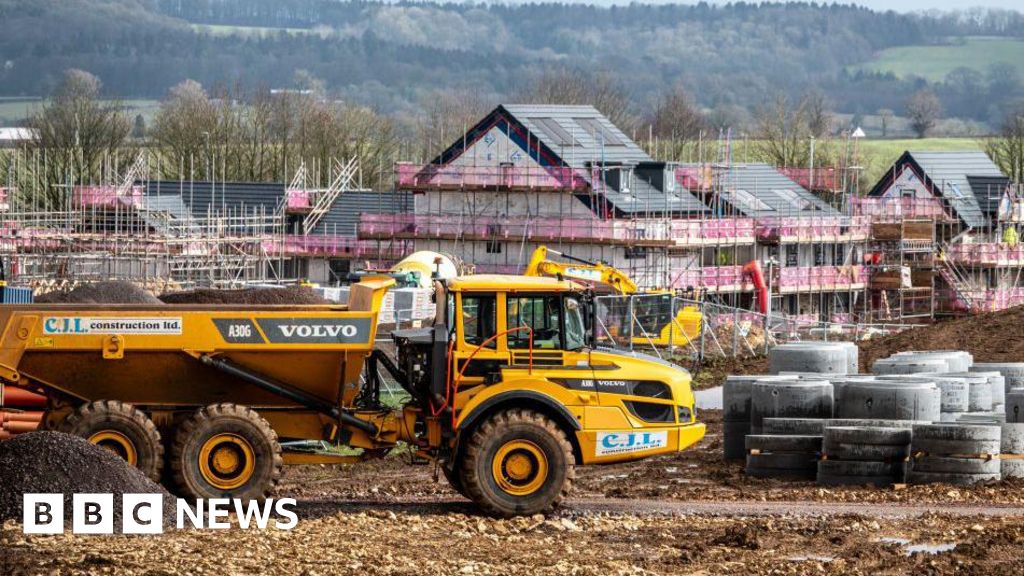
More housing developments across England will now be exempt from crucial rules designed to enhance wildlife habitats, the government announced on Tuesday. This significant policy shift comes as ministers push to accelerate housing construction, drawing immediate and fierce criticism from environmental organisations who warn it risks undermining vital nature recovery efforts across the country.
The controversial changes specifically target the Biodiversity Net Gain (BNG) policy, a cornerstone of England’s environmental legislation. Introduced less than two years ago as part of the Environment Act 2021, BNG mandates that new developments must leave the natural environment in a measurably better state than before, typically requiring a 10% increase in biodiversity. This is achieved either on-site or through off-site compensation, such as creating new habitats elsewhere. The government’s review of these rules has now resulted in increasing the size of developments that will no longer be subject to this environmental safeguard.
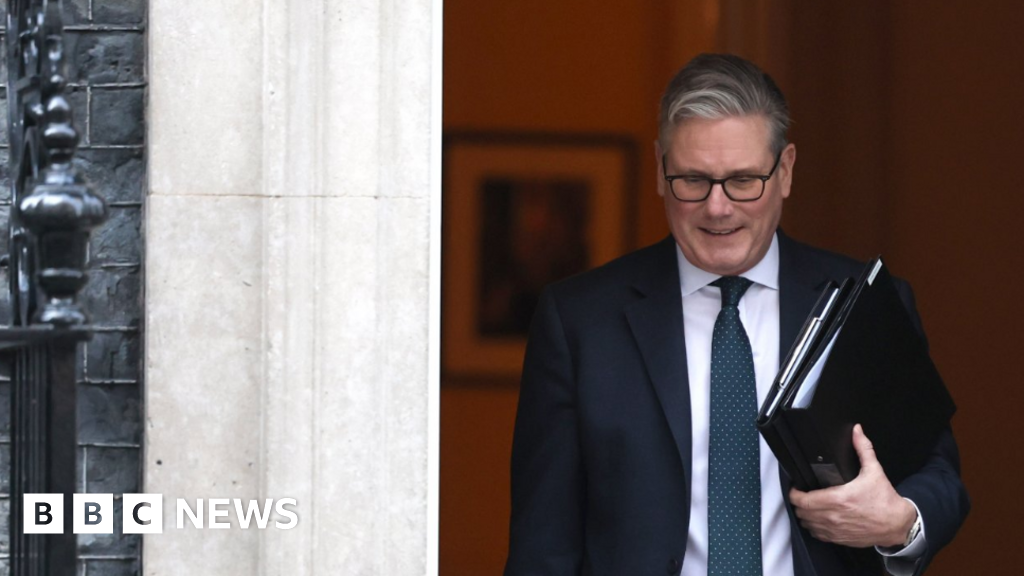
The move is part of a broader overhaul of planning regulations, which the government asserts is essential to achieving its ambitious target of building 1.5 million new homes within the current parliamentary term. Matthew Pennycook, Minister of State for Housing, unveiled these reforms to the National Planning Policy Framework, declaring the aim was to "get Britain building again." He acknowledged the likely backlash, stating, "They will not be without their critics. But in the face of a housing crisis that has become a genuine emergency in parts of Britain, we will act where previous governments have failed."
The housing crisis in the UK is indeed acute, characterized by soaring property prices, insufficient affordable housing, and a significant shortage of homes, particularly in urban and commuter belts. This has led to mounting pressure on successive governments to address the issue, often pitting development against environmental protection. The government’s position is that streamlining planning processes, including reducing perceived regulatory burdens like BNG, is a necessary step to unlock development and alleviate the housing shortage.
Under the new directives, developments on sites smaller than 2,000 square metres will be exempt from BNG requirements. The government estimates this exemption will apply to approximately 12,500 new homes annually, primarily on smaller plots of land. While the initial consultation had considered even broader exemptions, including sites up to 10,000 square metres – roughly the size of one or two football fields – the chosen threshold is narrower than initially feared by some environmentalists. Furthermore, the government has indicated it will consult on expanding exemptions for brownfield sites up to 25,000 square metres and introduce measures to make it easier, quicker, and cheaper for medium-sized developments to deliver off-site nature improvements.
However, these concessions have done little to quell the anger among nature charities and conservation groups. Many view the BNG policy as one of the most significant pieces of environmental legislation in a generation, critical for addressing the alarming decline in the UK’s biodiversity. The State of Nature report, published by a coalition of leading conservation and research organisations, consistently highlights the severe ongoing loss of wildlife and habitats in the UK, with one in six species at risk of extinction. Against this backdrop, weakening environmental protections is seen as a retrograde step.
Richard Benwell, CEO of Wildlife and Countryside Link, an umbrella organisation representing numerous conservation groups, expressed grave concerns. He stated that the revisions risk "hollowing-out one of the most important nature protection policies in a generation." Benwell acknowledged that the exemptions were narrower than originally proposed but added, "this is still damage limitation, not positive leadership for nature." His comments underscore a widespread fear that the cumulative impact of numerous small exemptions could significantly diminish the overall effectiveness of BNG, leading to a net loss of biodiversity rather than the intended gain.
Craig Bennett, chief executive of the Wildlife Trusts, echoed this sentiment in an interview with the BBC, accusing the government of trying to "scapegoat nature for a failing economy." He contended that the government was falsely presenting a choice between economic development and environmental protection. "The British people want to see development for the economy and for nature at the same time and yet this government seems intent on pitching them as one against the other," Bennett argued, highlighting a public desire for integrated solutions that benefit both people and planet.
From the perspective of the building industry, particularly smaller developers, the BNG policy has presented significant challenges since its implementation. Critics of the BNG principle have consistently complained that the policy can substantially increase costs and cause significant delays in the planning process, making some projects financially unviable. The need to conduct detailed ecological surveys, develop biodiversity impact assessments, and either create new habitats on-site or secure off-site compensation land, often at a premium, adds layers of complexity and expense to development projects.
Rico Wojtulewicz of the National Federation of Builders articulated this industry viewpoint, stating that the policy had made building "harder, more expensive and more complicated." For smaller and medium-sized enterprises (SMEs) in the construction sector, who often operate on tighter margins and have fewer in-house resources, the administrative and financial burden of BNG has been particularly onerous. They argue that these increased costs are ultimately passed on to homebuyers, further exacerbating the affordability crisis, or lead to fewer homes being built.
Beyond the BNG adjustments, the government’s broader planning reforms include several other measures. Notably, there will be a "default yes" to planning applications near railway stations, including potentially on green belt land. This specific policy aims to leverage existing infrastructure and promote higher-density development in well-connected areas. While this could help meet housing targets, it also raises concerns about encroachment on protected green spaces and potential strain on local services if not adequately planned. Another reform requires new builds to include nature-friendly features, such as installing swift bricks – specialized bricks with nesting cavities for swifts – to support urban wildlife. While a welcome addition for biodiversity, critics argue that such small-scale interventions cannot compensate for the broader rollback of BNG.
The government’s decision to roll back these nature protections highlights the intense political pressure to address the housing crisis, even if it comes at the expense of environmental commitments. This move could have far-reaching implications for England’s landscape and its wildlife, potentially setting a precedent for prioritizing short-term economic gains over long-term ecological health. As the debate continues, environmental groups are likely to intensify their advocacy, urging for a more integrated approach that recognizes the intrinsic link between a healthy environment and sustainable development, rather than viewing them as competing interests. The true impact of these changes on both housing delivery and nature recovery will unfold in the coming years, under the watchful eyes of both the construction industry and conservationists.




 George Anjay
 Ramos Leo
 Nakalama John