
 George Anjay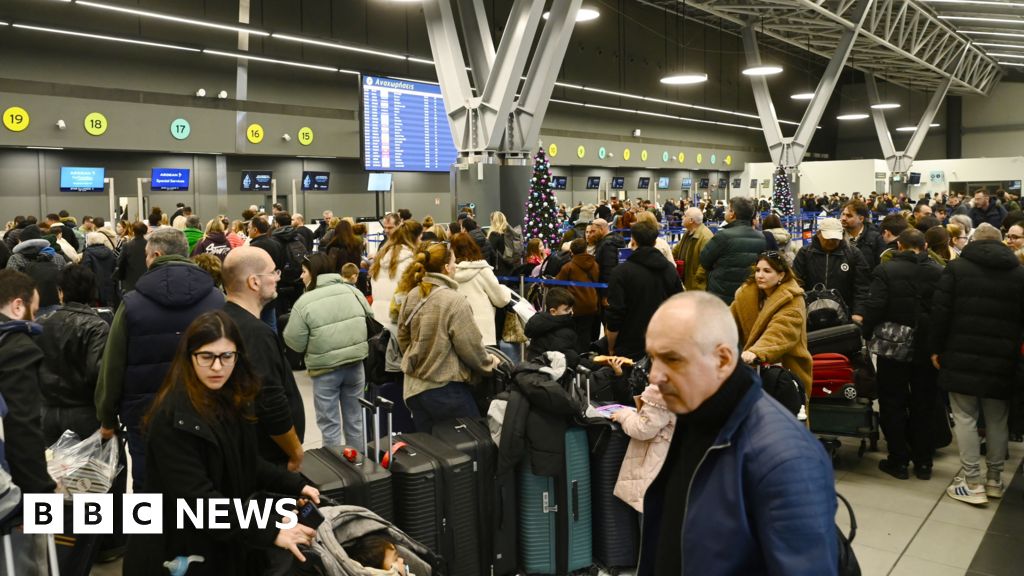
Thousands of travelers found themselves in a state of limbo across Europe on Sunday, their meticulously planned journeys thrown into disarray by a significant communications failure that forced Greece to close its airspace, triggering a cascade of cancellations and lengthy delays. The abrupt shutdown, initiated on Sunday morning, left a void in the skies over Greece as officials scrambled to diagnose the cause of the critical disruption to radio communications, essential for air traffic control. While some outbound flights have since been cautiously permitted to resume, the flow of inbound air traffic remains severely curtailed, with aircraft either being rerouted to alternative destinations or instructed to return to their points of origin, leaving many stranded. Athens International Airport, the nation’s busiest hub, is among the most severely impacted, while Thessaloniki’s "Makedonia" Airport has been forced into a complete shutdown, exacerbating the logistical nightmare. The timing of this widespread air traffic disruption is particularly galling, amplifying anxieties among travelers who now face the daunting prospect of being unable to reach their homes or workplaces before the commencement of the new working week.
The human toll of this unexpected aviation paralysis was palpable at Athens International Airport, where a passenger en route to London via Stockholm with SAS articulated the growing frustration and desperation. "I was supposed to fly to London, via Stockholm, with SAS," the distraught traveler told Greek broadcaster Mega TV, his voice laced with anxiety. "I’m working on Newport Hospital tomorrow morning. I’m not going to be there on time, I don’t know what else to say." The financial implications are also a significant concern for those caught in the chaos. "Who is going to pay for the additional cost this travel will cost me? We still don’t know if and when we’re going to leave, no one is telling us anything," the passenger lamented, highlighting the communication vacuum that has enveloped the situation. The sheer scale of the disruption is staggering, with over 90 flights in and out of Athens airport alone initially affected, though a limited number of departures have since been re-established. A member of airport staff revealed to the BBC that while 35 aircraft per hour are now being cleared for takeoff, the airport remains incapable of handling incoming flights, underscoring the ongoing severity of the problem.
The ripple effect of the Greek airspace closure extended far beyond its borders. Flights departing from major European cities such as Dublin, Barcelona, and Paris were earlier compelled to turn back and return to their airports of origin, creating immediate logistical challenges for thousands. Services originating from Copenhagen and Malta were, in some cases, cancelled altogether, adding to the growing list of stranded passengers. Arrivals into Athens were placed on extended standby, their fates uncertain as the situation unfolded, while flights connecting to and from other Greek airports also experienced significant disruptions. On the popular island of Crete, three flights departing from Heraklion airport, including one destined for Munich, were delayed, according to public broadcaster ERT. The gravity of the situation is further emphasized by reports that most inbound flights are being diverted to Turkey if they are not outright cancelled, a testament to the widespread impact of the Greek air traffic control failure.
A stark visual representation of the crisis emerged from flight radar data, with images shared by Reuters and Flightradar24 depicting an almost eerily empty airspace over Greece earlier on Sunday, a direct consequence of the technical fault. This disruption comes at a particularly inconvenient and busy period for air travel in and out of Athens, a city that typically handles over 600 scheduled flights daily as travelers return from their winter holidays. Amidst the unfolding chaos, a prevailing sentiment of disorganization and a lack of clear communication has been widely reported by passengers. One individual, speaking to the news site Flash, expressed their growing apprehension: "We have no updates. They told us that we will be able to leave but I don’t think this is true. On the departures board I can’t see my flight, and I’m supposed to leave shortly." The frustration is compounded by a lack of concrete information, as illustrated by another passenger who had been aboard a flight to Rhodes when it was forced to turn around and return to Athens. "From that moment until now we have no information whatsoever," they told news agency Reuters, highlighting the profound uncertainty faced by those affected.
For domestic travelers within Greece, the possibility of utilizing the nation’s rail network to reach their destinations offers a potential, albeit significantly slower, alternative. However, this option is not feasible for the vast majority of international travelers caught in the airspace shutdown. The underlying issue that precipitated this widespread disruption is believed to stem from a failure within the radio communication system utilized by air traffic controllers to maintain contact with aircraft operating within Greek airspace. Panagiotis Psarros, the chairman of the Association of Greek Air Traffic Controllers, provided a grim account to ERT, stating that all radio frequencies were "suddenly lost," leaving controllers unable to communicate with aircraft in the sky. This critical loss of communication rendered the airspace unsafe for normal operations.
Subsequent reports from ERT have indicated that an initial investigation conducted by the Greek security services points towards a potential failure of an antenna located in the Gerania Mountains, a range situated near Athens. This specific piece of infrastructure is crucial for maintaining radio communication links. The international community has responded to the crisis, with Italy, Turkey, and Cyprus offering assistance to Greece in managing the complex situation. This collaborative effort underscores the interconnectedness of air travel and the need for coordinated responses in the face of such significant operational challenges. The ongoing investigation aims to pinpoint the exact cause of the antenna failure and to implement immediate remedial actions to restore full air traffic control capabilities. The economic implications of such widespread flight disruptions are substantial, impacting not only airlines and airports but also tourism operators and businesses reliant on timely travel. The stranded passengers face not only the inconvenience and stress of unexpected delays but also potential financial losses due to missed appointments, rescheduled events, and the need for alternative accommodation and transportation. As officials work tirelessly to resolve the technical issue and restore normal operations, the incident serves as a stark reminder of the fragility of modern infrastructure and the profound impact that even localized technical failures can have on global connectivity. The recovery process is expected to be gradual, with a phased return to normal operations likely as communication systems are fully restored and safety protocols are rigorously re-established. The Greek authorities are committed to providing timely updates to the public and to mitigating the impact on affected travelers as much as possible. The resilience of the air travel network is being tested, and the swift resolution of this incident is paramount for restoring confidence and ensuring the seamless flow of air traffic across Europe. The incident also highlights the importance of robust contingency plans and redundant communication systems within air traffic management to prevent such widespread disruptions in the future. The long-term implications of this event may lead to a re-evaluation of critical infrastructure maintenance and emergency response protocols within the aviation sector.


 Ramos Leo
 atisusanti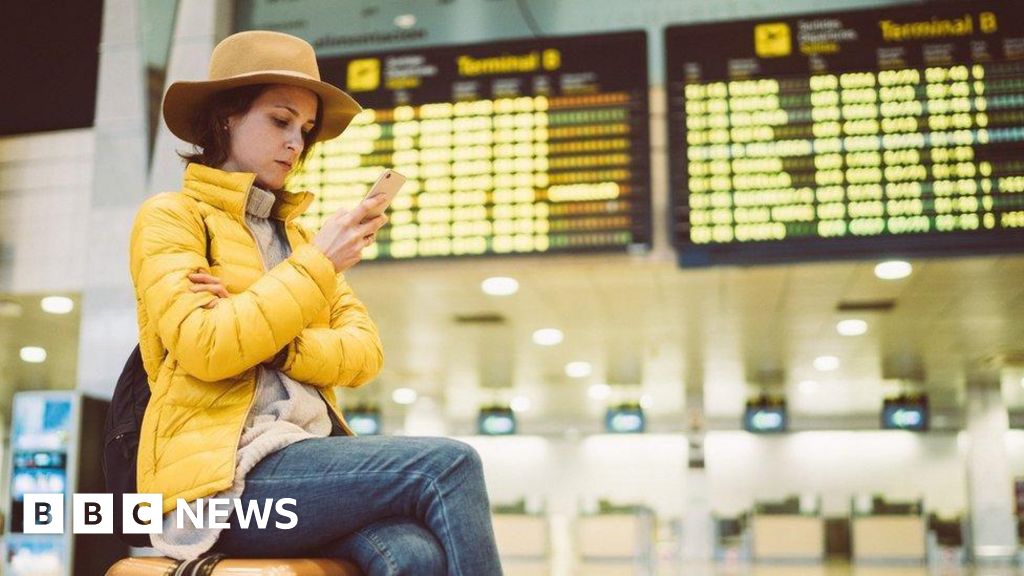
 Nakalama John
 Roy Suryo