Ramos Leo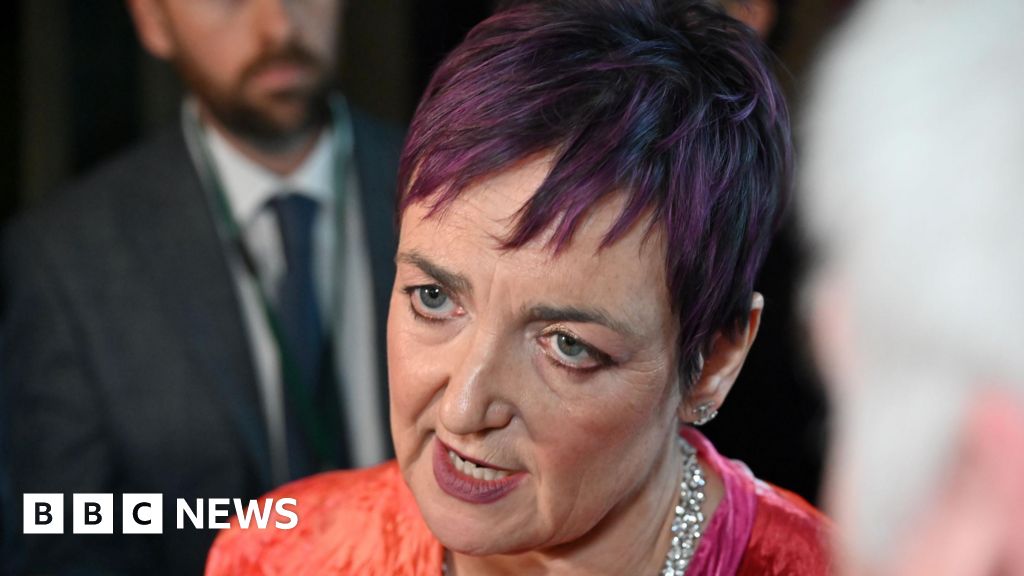
The contentious issue stems from a parliamentary debate in September when Constance, speaking in the Scottish Parliament, asserted that Professor Alexis Jay – a highly respected figure overseeing a review of evidence on grooming gangs in Scotland – did not support the need for further grooming gang inquiries. Professor Jay, whose extensive expertise includes chairing the independent inquiry into child sexual abuse (IICSA) in England and Wales, subsequently clarified her position. She unequivocally stated that her remarks, which Constance had referenced, were made in the specific context of the England and Wales inquiry and had no bearing on the situation or the necessity for inquiries in Scotland. This crucial distinction, miscommunicated by the Justice Secretary, ignited a fierce political backlash.
The immediate fallout saw opposition politicians vociferously challenge Constance’s integrity and demand her resignation. They argued that by misrepresenting an expert’s views, especially on such a sensitive and grave issue as child sexual exploitation, Constance had failed to uphold the standards expected of a minister and had misled parliament. Her critics contend that the gravity of the subject matter demanded absolute precision and immediate correction, neither of which, they argued, was adequately provided. Despite the intense pressure, Constance has consistently maintained that all her actions throughout the episode have been "in good faith," an assertion she reiterated during a recent interview with BBC Scotland News.
The decision by the independent advisers to the Scottish government to launch an investigation into Constance’s conduct signifies a serious escalation. The ministerial code outlines the principles and rules of conduct for ministers, including honesty, accountability, and the duty to be accurate in their statements to parliament. A breach of this code can have severe consequences, potentially leading to dismissal. First Minister John Swinney received notification of the advisers’ intent to probe the matter, with the Scottish government issuing a statement expressing its expectation for the investigation to be concluded in a "timely manner." This swift action underscores the seriousness with which such allegations are treated within the Scottish political landscape, particularly under a new First Minister keen to establish his administration’s ethical credentials.
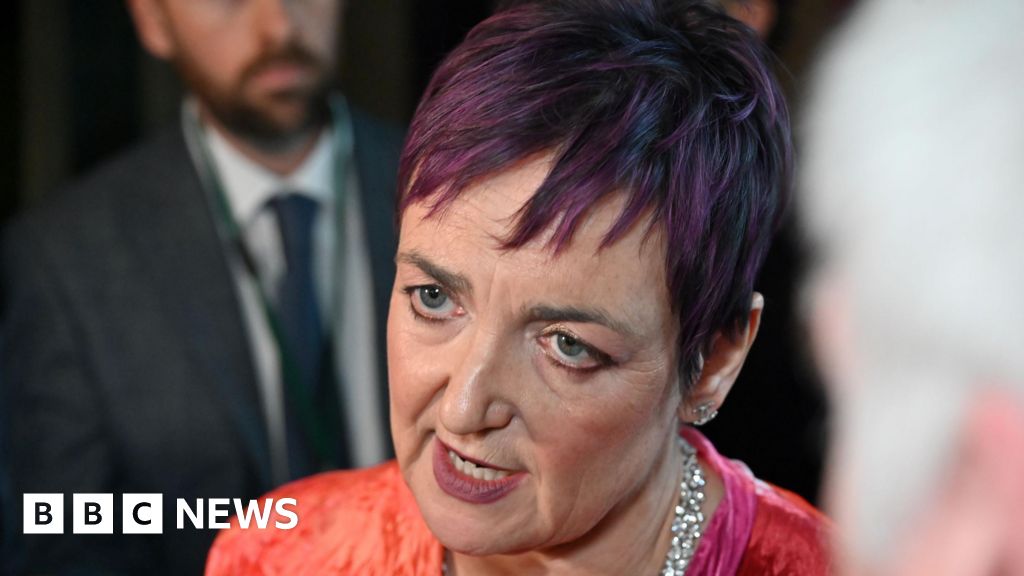
When pressed by BBC Scotland News on whether the entire controversy could have been managed more effectively, Constance reflected, "I always accept that things could have been handled better. At the end of the day, we are all human. All of my actions have been in good faith." She further expressed her regret that "dedicated professionals" like Professor Jay were inadvertently drawn into a "political dispute," suggesting her intentions were never to misrepresent or cause distress. Asked directly about her confidence in surviving the impending investigation, Constance responded cautiously, stating, "I am confident in fair and due process. The independent advisers have a job to do without fear or favour. I’m not going to say much more than that because the last thing I would want is for anything that I say to be perceived as trying to influence the outcome." This measured response highlights the delicate position she now finds herself in, balancing a public defence with the need to respect the independence of the investigative process.
The roots of the controversy lie in a parliamentary debate surrounding a victims’ bill. During this debate, Constance opposed a Conservative amendment that specifically called for a public inquiry into grooming gangs in Scotland. Her reliance on Professor Jay’s supposed opposition to "further inquiries" was a key part of her argument against the amendment. However, emails subsequently released by the government painted a different picture. Professor Jay explicitly clarified to government officials that her earlier comments were made "in the context of the England and Wales Public Inquiry on Child Sexual Abuse," which she chaired, adding, "It had nothing to do with [the Conservative] amendment, or the position in Scotland, as could be interpreted from your statement." Professor Jay went on to advise that Scottish ministers should instead focus on collecting "reliable data" on the issue and rectify any misinterpretations of her stance.
Following this revelation, Constance did offer an apology to Professor Jay, initially in a "personal" telephone conversation. However, a significant point of contention for opposition parties was that no government officials were present during this call, raising questions about the formality and official record of the apology. Furthermore, while a clarification of Professor Jay’s position was eventually issued in meeting notes last month, it was notably not made in the Holyrood Chamber, meaning it did not become part of the official parliamentary record. This omission was central to the opposition’s argument that Constance had deliberately failed to correct the record where it mattered most, thus misleading parliament and potentially breaching the ministerial code. The official parliamentary record is considered the definitive account of proceedings, and corrections there carry significant weight.
The political fallout was swift and severe. Opposition parties, led by the Scottish Conservatives and Scottish Labour, initially demanded Constance’s resignation, then called on First Minister John Swinney to dismiss her. However, Swinney firmly stood by his Justice Secretary, expressing confidence in her integrity and her commitment to public service. This unwavering support from the First Minister became another flashpoint, with opponents accusing Swinney of "defending the indefensible" and questioning his own "lack of judgement." The subsequent vote of no confidence brought by the opposition parties was ultimately defeated, primarily due to the Scottish Greens siding with their SNP coalition partners, providing Constance with a crucial lifeline in parliament.
Despite surviving the vote, the calls for accountability persisted. Opposition parties formally wrote to the independent advisers, requesting an investigation into the matter. Scottish Conservative leader Russell Findlay articulated the sentiment of many critics, stating that the First Minister’s defence of Constance demonstrated a worrying lack of commitment to ministerial standards. Similarly, Scottish Labour leader Anas Sarwar highlighted that the investigation into Constance inevitably cast a shadow over Swinney’s leadership and his initial decision to back his minister so strongly.
This episode is more than just a procedural squabble; it touches upon the fundamental principles of governance: the accuracy of information presented to parliament, the integrity of ministerial statements, and the respect afforded to independent expert advice, especially on issues as sensitive as child protection. The ongoing debate about whether Scotland needs its own specific public inquiry into grooming gangs forms a critical backdrop to this controversy. While some argue that existing structures and data collection efforts are sufficient, others believe a dedicated inquiry is vital to fully understand the scale of the problem and ensure justice for victims. Constance’s misrepresentation of Professor Jay’s views inadvertently fueled this debate, making her position even more precarious. The outcome of the independent investigation will undoubtedly have significant implications, not only for Angela Constance’s political career but also for the reputation of the Scottish government and the standards of conduct expected from its highest officeholders. The political scrutiny will remain intense as Scotland awaits the findings of this critical inquiry.


 atisusanti
 Nakalama John
 Roy Suryo
 Nana Banana