Nakalama John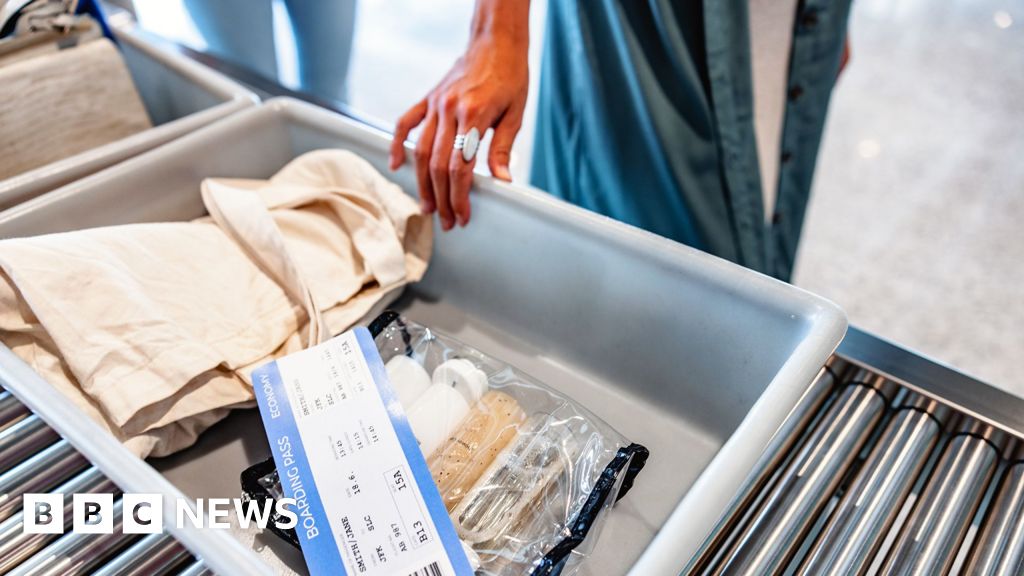
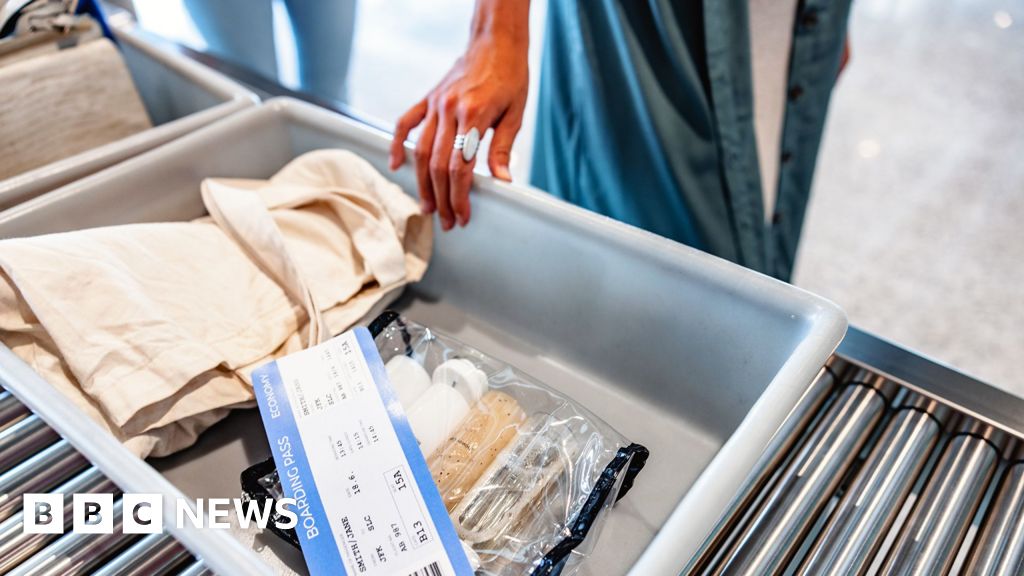
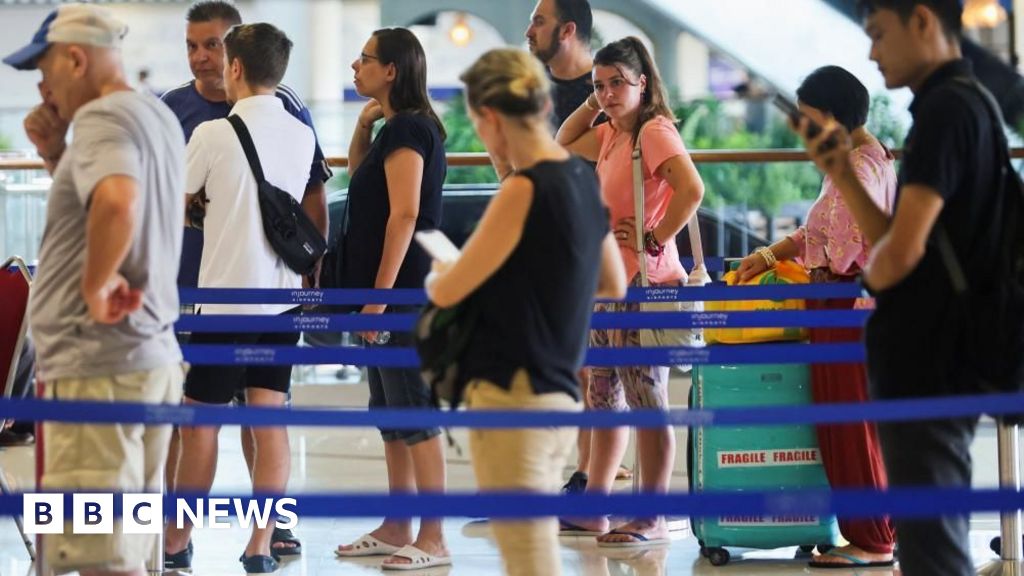
Passengers at Britain’s biggest and busiest airport, Heathrow, can now enjoy a significantly streamlined security experience as the facility has finally completed the comprehensive rollout of new high-tech Computed Tomography (CT) scanners across all its terminals. This landmark achievement means travellers departing from Heathrow are no longer subject to the long-standing 100ml limit on liquids in carry-on baggage. Instead, they can now carry liquids in containers of up to two litres, revolutionising a key aspect of airport security that has been a source of frustration for nearly two decades.
Beyond the expanded liquid allowance, the advanced scanning technology also eliminates the need for passengers to remove electronics such as laptops, tablets, and other large gadgets from their bags. This crucial change, coupled with the abolition of the requirement to use clear plastic bags for liquids, promises to dramatically reduce preparation time at security checkpoints and speed up the overall screening process. Heathrow proudly asserts its position as the largest airport in the world to have fully implemented this cutting-edge equipment across all its operational terminals, marking a significant milestone in global aviation security.
The new CT scanners operate on principles similar to those used in medical imaging, creating highly detailed 3D images of bag contents. Unlike traditional 2D X-ray machines, which provide a flat image and require liquids and electronics to be scanned separately for clarity, CT scanners can rotate around an object to generate a comprehensive, multi-angle view. This allows security personnel to examine items from every perspective, identifying potential threats with far greater accuracy and without the need for passengers to unpack their belongings. This enhanced imaging capability is the fundamental reason behind the relaxation of the long-standing restrictions, as it provides security staff with superior visibility into cabin bags. Heathrow’s official statement highlighted that these scanners could service "thousands of passengers an hour with significantly greater efficiency, while maintaining high safety and security standards."
While Heathrow’s full rollout is a major development, it is important to note that it is not the first UK airport to adopt this technology and increase liquid limits. Several other regional airports, including Gatwick, Edinburgh, and Birmingham, had already upgraded their security infrastructure in recent years, allowing passengers to carry up to two litres of liquids. Bristol and Belfast airports have also successfully raised their liquid limits. However, the implementation has been far from uniform across the country. Many other UK airports that have invested in and installed the new scanners are still awaiting the crucial green light from the Department for Transport (DfT) to officially raise the limit from 100ml. This creates a patchwork of rules across the country, leading to potential confusion for travellers.
A recent report by consumer group Which? highlighted a peculiar side effect of the increased sensitivity of these new scanners. While they offer superior threat detection, at some airports, this enhanced sensitivity has inadvertently led to an increase in the number of bags flagged for secondary hand searches after passing through the machines. This suggests that while the technology is more advanced, airport security operations are still refining their processes to maximise efficiency without compromising the passenger experience.
The 100ml liquid rule, which has been an almost ubiquitous feature of air travel for close to two decades, was first introduced in 2006. It was a direct response to a foiled terrorist plot to detonate liquid explosives on transatlantic flights departing from the UK. The plot, uncovered in August 2006, involved terrorists planning to assemble liquid bombs on board aircraft using seemingly innocuous items. The swift imposition of the 100ml limit, along with the requirement for liquids to be placed in clear, resealable plastic bags and removed from carry-on luggage for separate screening, became a global standard overnight. While undeniably effective in enhancing security, the rule quickly became a significant inconvenience for millions of travellers, particularly those on short trips who preferred to travel with only hand luggage.
The journey to scrapping these rules has been fraught with delays and inconsistencies. Former Prime Minister Boris Johnson first promised in 2019 that the 100ml liquid rule would be abolished by the end of 2022, citing advancements in scanning technology. However, the unforeseen global disruption caused by the COVID-19 pandemic significantly hampered airport investment and operational changes, pushing back these ambitious timelines.
In December 2022, the Conservative government reiterated its commitment, promising that state-of-the-art scanning equipment would be installed in security lanes across all major UK airports by June 2024, heralding what was then described as the "biggest shake-up of airport security rules in decades." Then-Transport Secretary Mark Harper enthusiastically declared that the dominance of "tiny toiletry" containers was nearly over, painting a picture of a smoother, more passenger-friendly travel experience on the horizon.
However, the June 2024 deadline proved to be overly optimistic and ultimately unachievable for the UK’s largest airports, including Heathrow, which faced immense logistical challenges in upgrading hundreds of security lanes across multiple terminals. While a number of smaller airports, with fewer lanes to reconfigure, successfully met the deadline and even began operating under the new, relaxed liquid rules, the major hubs lagged significantly behind.
This inconsistency reached a critical point on the evening of Friday, 13 June 2024, when the government issued a sudden directive. Smaller airports that had already introduced the new scanners and dropped their 100ml liquid restrictions were instructed to reinstate them. This abrupt reversal, issued just ahead of the busy summer travel season, triggered widespread anger and frustration among airport operators and caused immense confusion for passengers who had adapted to the new rules. Further compounding the issue, the European Union also announced a reversion to the 100ml rule in July of the same year, creating an unpredictable and inconsistent travel landscape across the continent. Throughout last summer, the Transport Secretary was compelled to advise passengers to "assume the 100ml rule still applied," underscoring the ongoing regulatory uncertainty.
Heathrow Chief Executive Thomas Woldbye hailed the £1 billion package of upgrades as a transformative investment. He expressed confidence that the new system would allow passengers to spend "less time preparing for security and more time enjoying their journey," fulfilling the long-held promise of modernised air travel. This significant financial outlay underscores the complexity and scale of the infrastructure overhaul required to implement these advanced security systems.
Despite the global push for enhanced security and efficiency, Heathrow stands out on the international stage. Of the world’s ten busiest airports, Heathrow is currently the only one to have fully scrapped the 100ml rule for liquid containers on international flights. This unique position could potentially give Heathrow a competitive edge, enhancing its appeal to international travellers who prioritise convenience and a seamless airport experience. However, it also highlights the fragmented nature of global aviation security regulations.
It is crucial for passengers to remember that this rule change only applies to flights departing from Heathrow. Travellers planning return journeys to the UK from other international airports, or even from other UK airports that have not yet implemented the new rules, must meticulously check the specific luggage restrictions of their departure airport before boarding. Failure to do so could result in delays, confiscation of items, or even missed flights. As the UK continues its transition to these new security standards, a period of careful planning and vigilance will remain essential for all air passengers. The hope is that Heathrow’s leadership in this area will pave the way for wider adoption and a more consistent, efficient travel experience globally.

 Ramos Leo
 George Anjay