
 Roy Suryo
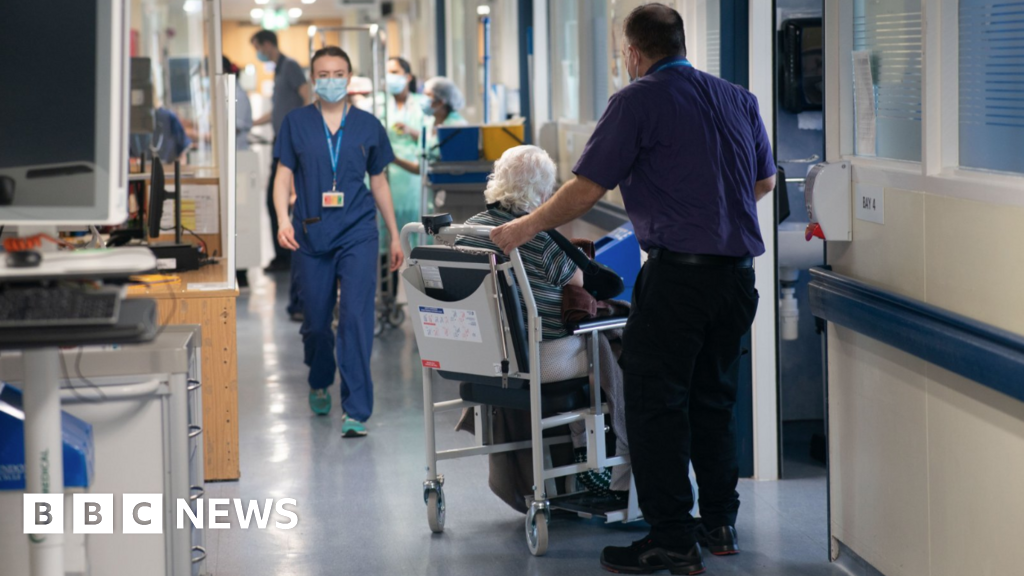
The number of patients admitted to hospitals in England with influenza has seen a welcome decline, offering a glimmer of relief for the National Health Service. However, NHS leaders are issuing stern warnings that the current freezing weather poses a significant threat, potentially escalating pressure on the healthcare system in the immediate days ahead. January typically marks the peak of activity for the NHS, making this downturn in flu admissions a particularly positive development, according to NHS England.
In the most recent reporting week, the number of individuals hospitalised with the flu stood at 2,676, a notable decrease from the figure of just over 3,000 recorded the previous week. This reduction is attributed, in part, to the exceptional efforts of NHS staff, who have administered more than half a million additional flu vaccinations compared to the same period last year. This concerted vaccination drive has clearly played a crucial role in mitigating the spread and severity of the virus.
Despite this encouraging trend, the UK Health Security Agency (UKHSA) has elevated its alert status, issuing cold health alerts across England. These alerts are a direct response to the prevailing freezing temperatures, which are anticipated to have a substantial impact on the health service. The amber alerts, signifying a moderate to high risk, are in effect from Friday evening until Monday morning. The UKHSA has cautioned that the severe weather conditions could lead to an increased demand for health services, pose challenges in maintaining adequate temperatures within hospital facilities, and potentially disrupt staffing due to external factors such as travel delays.
Professor Meghana Pandit, NHS England’s Medical Director, expressed her satisfaction with the falling flu admission rates, highlighting the proactive approach to vaccination. "It is welcome news to see a drop in the number of people being admitted to hospital with flu, thanks in part to the extraordinary efforts of NHS staff with more than half a million more people vaccinated against flu compared to the same period last year," she stated.
However, Professor Pandit was quick to temper optimism with a dose of realism. "The NHS is far from complacent as temperatures drop with this likely to increase pressures in the new year and demand on services remaining high with NHS 111 services recording their second busiest day in two years on Saturday," she cautioned. This indicates that while flu numbers are down, the overall strain on the health service remains significant. The surge in calls to NHS 111 underscores the widespread demand for healthcare advice and services, even for non-emergency situations.

Professor Pandit reiterated the critical importance of public cooperation in managing demand. "It’s vital that the public please continue to only use 999 and A&E in life-threatening emergencies and use NHS 111 and 111 online for other conditions," she urged. This plea is essential for ensuring that emergency services are available for those in genuine critical need and that less urgent cases are directed to the appropriate channels, thereby alleviating pressure on accident and emergency departments.
The decrease in flu cases was not entirely unexpected, as data released before Christmas indicated an initial slowdown in the circulation of the virus within the community. Similar trends have been observed across the rest of the United Kingdom, suggesting a broader pattern of reduced flu activity. This follows a period where the NHS faced dire projections of potentially record-breaking flu hospitalisations, exacerbated by the emergence of a mutated strain of the virus circulating this winter.
Despite the current dip, health experts remain cautious, warning that the virus could still rebound in the coming weeks. The dynamic nature of influenza means that infection rates can fluctuate, and a sustained period of cold weather could provide further opportunities for transmission. The interplay between viral behaviour and environmental factors is complex, and vigilance remains paramount.
Health Secretary Wes Streeting acknowledged the busy state of the NHS but also pointed to some encouraging indicators. He noted that hospital bed occupancy and ambulance handover times were lower than they were at the same point last year, suggesting some improvements in operational efficiency. "We still face intense pressures and with this bitingly cold snap adding additional challenges it is more vital than ever those eligible get their flu jab and people only attend A&E in an emergency," Mr. Streeting emphasised. His statement underscores the dual challenges of ongoing high demand and the exacerbating effect of the cold weather.
The data presented reveals a stark contrast in flu hospitalisations compared to previous years. In the latest reporting week, England recorded 2,676 flu hospitalisations. This figure is significantly lower than the 4,469 recorded in the same week of 2024, 1,312 in 2023, and a peak of 5,441 in 2022. While the 2023 figure appears lower, it’s important to note that this may represent an anomaly or a different pattern of viral circulation that year. The current figure of 2,676, while down from recent peaks, still represents a considerable number of patients requiring hospital care.
The effectiveness of the flu vaccination programme cannot be overstated. The increase in uptake this year, exceeding half a million more vaccinations compared to the previous year, has demonstrably contributed to reducing the burden of flu on the NHS. This highlights the success of public health campaigns and the willingness of individuals to protect themselves and their communities.

The UKHSA’s cold health alerts serve as a crucial early warning system, enabling healthcare providers and the public to prepare for the increased risks associated with prolonged cold periods. These risks extend beyond direct exposure to cold, encompassing the exacerbation of pre-existing respiratory and cardiovascular conditions, increased susceptibility to infections, and the potential for hypothermia. For the NHS, this translates into a higher volume of patients presenting with conditions that are either caused or worsened by the cold.
The challenges of maintaining operational capacity within hospitals during periods of high demand are compounded by extreme weather. Heating systems may struggle to cope, leading to uncomfortable and potentially unhealthy environments for vulnerable patients. Furthermore, staff may face difficulties travelling to work, leading to potential staffing shortages at critical times. These logistical hurdles require careful planning and proactive management to mitigate their impact.
The consistent message from health officials is a call for responsible use of healthcare services. By directing non-urgent queries to NHS 111 and its online platform, the public can play a vital role in ensuring that emergency services are reserved for true emergencies. This collective responsibility is essential for the efficient functioning of the NHS, particularly during times of heightened pressure.
Looking ahead, the focus remains on monitoring flu trends and anticipating the impact of the cold weather. While the current drop in flu cases is a positive sign, the potential for a resurgence of the virus cannot be dismissed. The NHS, despite its ongoing pressures, appears to be benefiting from improved preparedness and public engagement in vaccination efforts. However, the current cold snap presents a fresh challenge that requires continued vigilance and a coordinated response from both healthcare providers and the public. The coming days will be a critical test of the NHS’s resilience and its ability to manage the complex interplay of seasonal illnesses and environmental factors.



 George Anjay
 Ramos Leo
 atisusanti
 Nakalama John