Nana Banana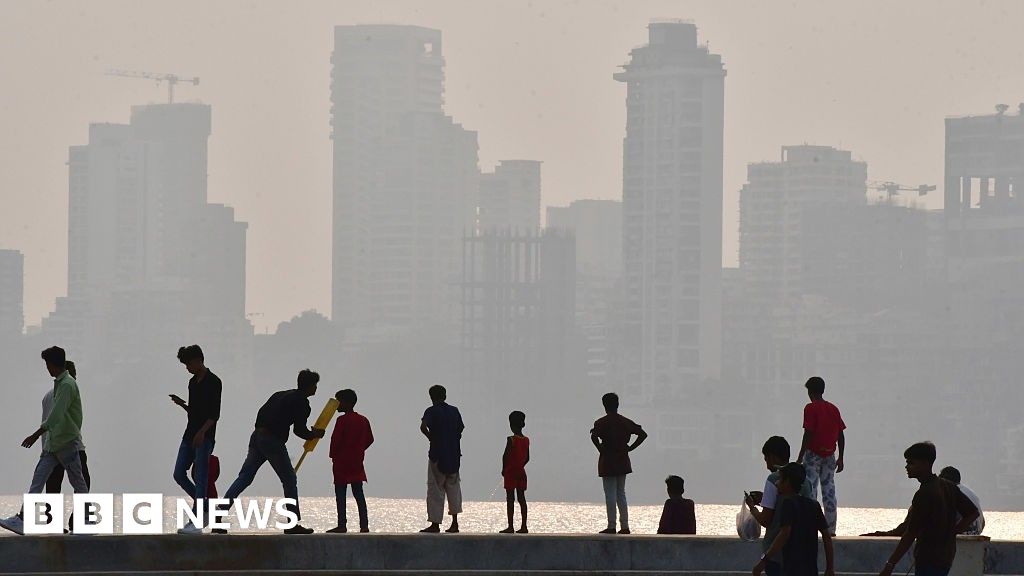
India, a land synonymous with vibrant light and abundant sun, is paradoxically losing its most fundamental resource: direct sunlight. A groundbreaking new study by a consortium of Indian scientists reveals a concerning trend: over the past three decades, sunshine hours—the crucial period when direct solar radiation reaches the Earth’s surface—have steadily diminished across the vast majority of the subcontinent. This phenomenon, driven by a complex interplay of increased cloud cover, aerosol pollution, and localized weather patterns, paints a stark picture of environmental degradation with far-reaching consequences for the nation’s health, economy, and ambitious renewable energy goals.
The comprehensive study, authored by six Indian scientists from Banaras Hindu University, the Indian Institute of Tropical Meteorology, and the India Meteorological Department, analyzed data from 20 strategically located weather stations spanning from 1988 to 2018. Their findings, published in the esteemed peer-reviewed journal Scientific Reports (a Nature Portfolio publication), indicate a persistent, nationwide decline in sunshine hours. Only the northeastern region of India showed a mild seasonal reprieve, a fleeting exception to an otherwise grim national trend. The steepest annual reductions were observed in critical northern inland regions, particularly Amritsar and Kolkata, major urban and agricultural hubs. Equally affected were the ecologically sensitive Himalayan belt and the densely populated west coast, including the sprawling metropolis of Mumbai, a city already battling notorious air quality issues.
Delving deeper into the geographical nuances, the study categorized India into nine diverse regions, each exhibiting an overall annual decline in sunshine hours, albeit at varying rates. A monthly analysis further illuminated a pronounced seasonal pattern: significant increases in sunshine hours were recorded from October to May, a period generally characterized by clear skies and lower monsoon activity. However, this was consistently followed by sharp drops from June to July in six of the nine regions, correlating with the onset of the monsoon season. This seasonal ebb and flow of sunlight directly intersects with a much deeper, more insidious and long-standing problem: India’s severe air pollution crisis.
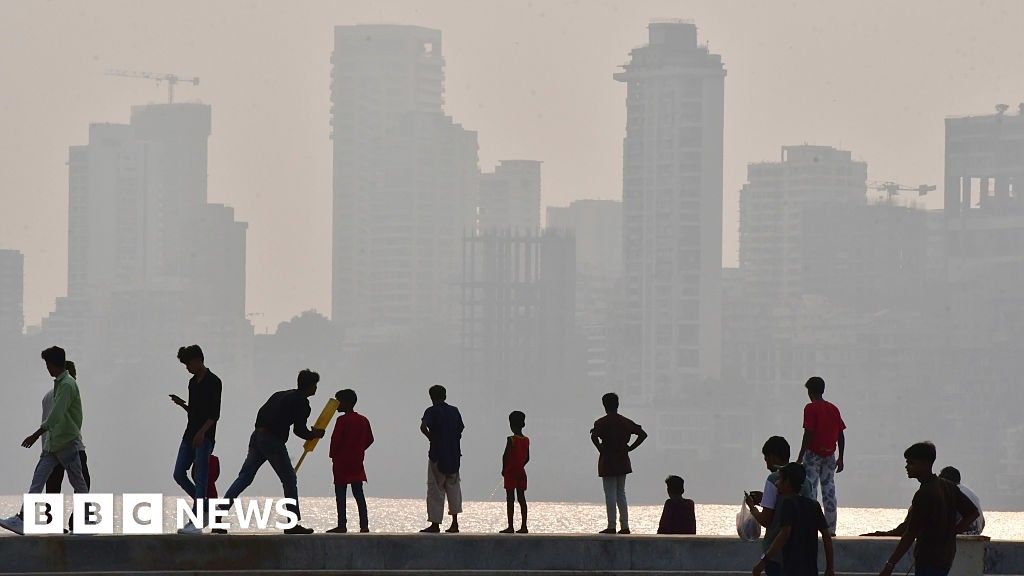
The roots of India’s pervasive air pollution can be traced back to the 1990s, a period of accelerated economic liberalization, rapid urbanization, and industrial expansion. This era ushered in a dramatic increase in fossil fuel consumption, a proliferation of vehicles, and widespread biomass burning, particularly agricultural stubble burning in northern states. These activities collectively pump vast quantities of aerosols—tiny solid or liquid particles—into the atmosphere. These microscopic pollutants, ranging from dust and soot to sulfates and nitrates, are the primary culprits behind the dimming of the Sun’s rays, directly scattering and absorbing incoming solar radiation before it can reach the ground. Today, India tragically ranks among the world’s top 10 most polluted countries, with many of its cities frequently topping global pollution indices.
The impact of aerosols on sunlight is particularly pronounced during India’s winter months. The Indo-Gangetic plains, a vast and fertile region, frequently become shrouded in a thick, noxious smog. This is exacerbated by temperature inversions, a meteorological phenomenon where a layer of warm air traps cooler, pollutant-laden air close to the ground, preventing its dispersal. Coupled with widespread crop burning in neighboring agricultural states, this creates a potent cocktail of light-scattering aerosols that drastically reduce visibility and, consequently, sunshine hours. While monsoon clouds provide a different kind of barrier, sharply reducing sunlight from June to July even when aerosol levels are comparatively lower, the haze of winter pollution presents a more chronic and human-induced challenge. It is crucial to note, as scientists emphasize, that higher sunshine hours from October to May do not necessarily signify cleaner air; rather, they often reflect more cloud-free days. The winter sunlight, though present, is often diffuse and scattered by pollutants, reducing its intensity even if instruments still register it as "sunshine hours."
Manoj Kumar Srivastava, a professor of geophysics at Banaras Hindu University and one of the study’s authors, elaborated on this complex interplay: "Our study found that shrinking sunshine hours are linked to clouds that linger longer without releasing rain, blocking more sunlight. These longer-lasting clouds form indirectly due to aerosols that alter weather and climate." This highlights a critical feedback loop: pollution doesn’t just block sunlight directly; it also influences cloud formation and behavior, further exacerbating the problem. Sachchida Nand Tripathi, an atmospheric scientist at the Indian Institute of Technology (IIT) Kanpur, quantified this impact, stating that aerosols have reduced the amount of sunlight reaching the ground in India by approximately 13%. Clouds, in addition, accounted for a substantial 31-44% drop in surface solar radiation between 1993 and 2022.
The implications of this sustained decline in sunshine hours are profound and multi-faceted, touching upon critical sectors like agriculture, public health, and India’s ambitious renewable energy agenda. For a nation where agriculture remains a cornerstone of the economy and food security is paramount, the impact on crop yields is particularly alarming. Reduced sunlight directly impairs photosynthesis, the fundamental process by which plants convert light energy into chemical energy for growth. Studies cited by Prof. Tripathi estimate an staggering 36–50% loss in crop yields—primarily rice and wheat, India’s staple grains—in the country’s most polluted regions. This not only threatens the livelihoods of millions of farmers but also poses a severe risk to national food security, potentially leading to increased food prices and supply chain disruptions.
Beyond agriculture, the diminished sunshine has significant repercussions for human health. Sunlight is essential for the natural synthesis of Vitamin D in the human body, a nutrient crucial for bone health, immune function, and mental well-being. A persistent lack of adequate sunlight can lead to widespread Vitamin D deficiency, contributing to a range of health issues from osteoporosis to weakened immunity and even seasonal affective disorder. Moreover, the very aerosols responsible for dimming the sun are directly linked to a litany of severe health problems, including respiratory illnesses (asthma, bronchitis, COPD), cardiovascular diseases, strokes, and various cancers. The World Health Organization estimates that air pollution is responsible for millions of premature deaths globally each year, with India bearing a disproportionately heavy burden. The constant exposure to polluted air, combined with reduced natural light, undoubtedly diminishes the overall quality of life and places immense strain on the public health infrastructure.
Economically, India’s burgeoning solar energy sector stands at a critical juncture. Solar power currently constitutes a significant 47% of India’s total renewable energy capacity. The government has set an ambitious target of achieving 500 GW of renewable energy by 2030, with over 100 GW of solar capacity already installed by early 2025. However, declining sunlight casts a long shadow over these aspirations. As Prof. Tripathi points out, air pollution significantly compounds the problem, reducing solar panel output by an estimated 12-41%, depending on the type of photovoltaic (PV) system. This efficiency loss translates into substantial economic costs, with an estimated $245-835 million lost annually in power generation. Furthermore, the physical accumulation of dust and aerosols on solar panels, known as "soiling," requires more frequent cleaning and maintenance, adding to operational costs and further diminishing energy capture. The good news, however, is that cleaner air could dramatically boost India’s annual solar energy production by an impressive 6-28 terawatt-hours of electricity—enough to power millions of homes for an entire year.
India is not an isolated case in experiencing reduced sunlight; the phenomenon of "global dimming" has been observed across various parts of the world due to rising air pollution and shifting weather patterns. A study published in Atmospheric Chemistry and Physics, for instance, indicated that Europe likely experienced reduced sunlight reaching the ground between 1970 and 2009 due to air pollution. In Germany, sunshine hours reportedly decreased by approximately 11% from 1951 to 1980, primarily attributed to industrial gas emissions and associated cloud formation. Similarly, China, during its rapid industrialization phase from the 1960s to the 2000s, witnessed a significant decline in sunshine hours, with duration varying across cities depending on local pollution levels.
However, there is a glimmer of hope on the global stage. Following decades of dimming, the Earth’s surface has gradually been receiving more sunlight since the 1980s—a trend dubbed "global brightening." New analysis of satellite data from 1984 to 2018 appears to confirm this positive shift, showing the effect is strongest over land and particularly in the Northern Hemisphere. This global brightening is primarily driven by falling aerosol levels in the 1980s and 1990s, largely due to stricter clean-air laws implemented in many developed nations, coupled with shifts in cloud patterns. Research showed that such clean-air laws in the 1990s led to a rebound in sunshine hours across Europe, demonstrating that proactive environmental policies can indeed reverse these trends.
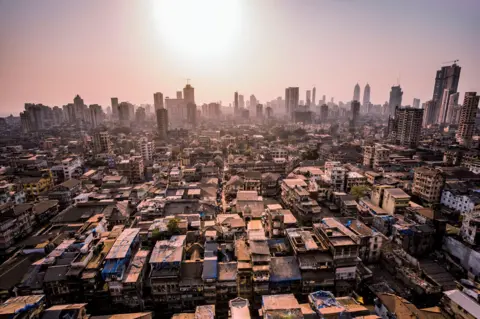
The bad news, however, is that heavily polluted countries like India are conspicuously missing out on this global brightening trend. While much of the world enjoys clearer skies and more direct sunlight, India continues to grapple with diminishing solar access. If the Sun keeps hiding behind a veil of smog and pollution, India risks not only undermining its ambitious renewable energy targets but also compromising the health and well-being of its vast population, running on fumes instead of harnessing its full solar potential. The urgent need for comprehensive and effective air pollution control measures is clearer than ever, not just for environmental protection, but for the very future prosperity and health of the nation.




 Ramos Leo
 Nakalama John
 George Anjay