Roy Suryo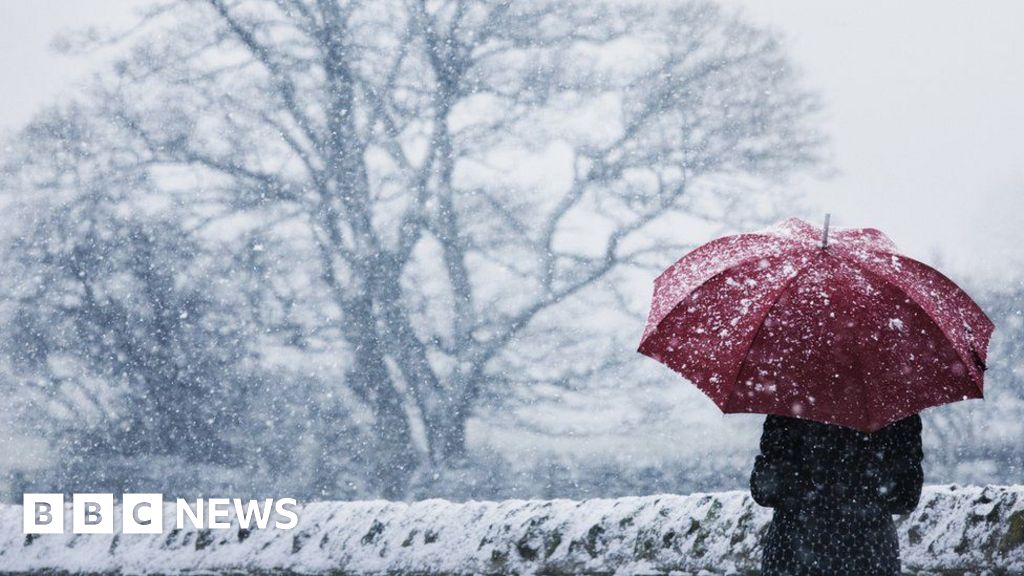
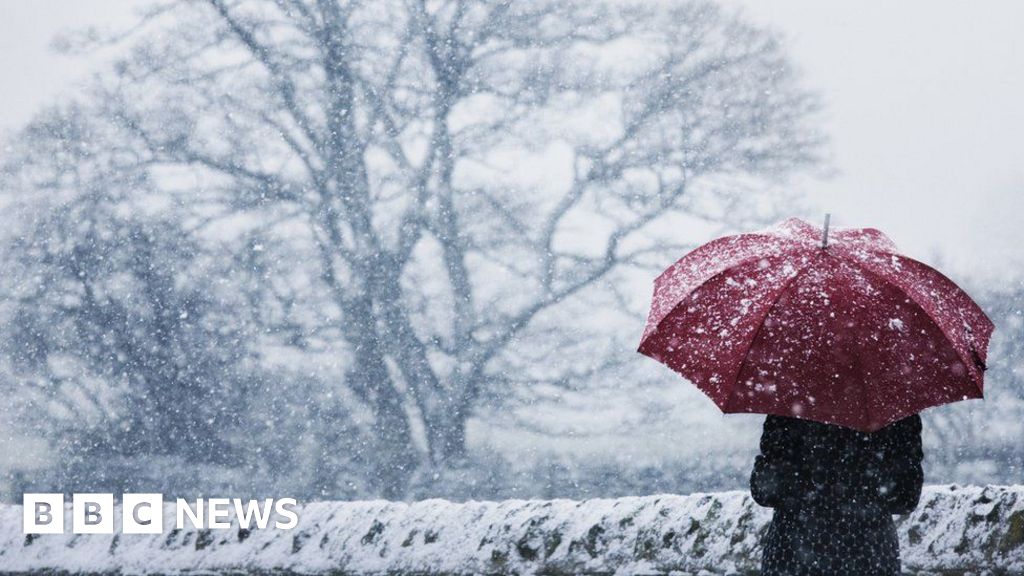
Amber health alerts, signalling a significant impact on health and social care services due to cold weather, have been issued by the UK Health Security Agency (UKHSA) across all of England. These alerts are scheduled to remain in effect until 12:00 GMT on Monday, January 12th.
The weather alert service, a collaborative effort between the UKHSA and the Met Office, operates throughout England and is designed to proactively manage the health implications of extreme weather. This system issues cold health alerts annually between November 1st and March 30th, and heat health alerts during the summer months, from June 1st to September 30th. Beyond public advisories, the system provides crucial guidance directly to NHS England, governmental bodies, and healthcare professionals during periods of adverse weather conditions. The alerts are meticulously categorised based on their severity, ensuring a tiered response to potential threats. The overarching objective of this comprehensive system is to mitigate illness and reduce mortality rates during spells of extreme heat and cold.
The level of a cold health alert is determined by detailed meteorological forecasts and data provided by the Met Office. These alerts are structured into four distinct levels, ranging from the least severe "Green" to the most critical "Red."
Green: This designation represents the baseline or normal condition, where the primary focus is on disseminating advice regarding preparedness and response strategies for potential temperature fluctuations. It serves as a proactive measure, ensuring the public and relevant services are informed and ready should conditions change.
Yellow: A Yellow alert is triggered during periods of hot or cold weather that are anticipated to affect primarily individuals who are particularly vulnerable. This group includes the elderly, young children, and those with pre-existing health conditions. The aim is to raise awareness among these at-risk populations and their caregivers, encouraging them to take necessary precautions.
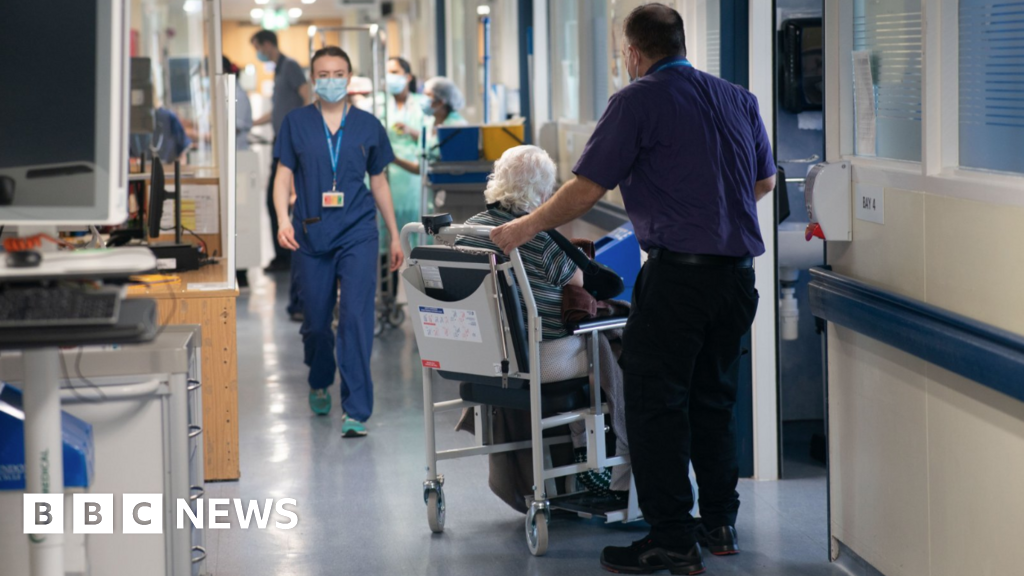
Amber: Amber alerts are issued when cold weather conditions are deemed to have the potential to pose a risk to the entire population, not just the most vulnerable. During an Amber alert, the National Health Service (NHS) may experience increased demand on its services, such as a surge in calls to GPs and ambulance services. Furthermore, travel disruption is also a probable consequence of such conditions.
Red: A Red alert signifies the most severe level of threat. This designation is reserved for situations where the extreme weather poses a significant risk to life, even for individuals who are generally healthy. In addition to direct health risks, a Red alert indicates the potential for widespread failures in critical national infrastructure, which could include widespread power outages, or the closure of major transportation routes like roads and rail lines.

The impact of cold weather on the human body is profound and multifaceted. During the winter months, infectious diseases such as influenza and other respiratory illnesses, including those causing colds and sore throats, tend to spread more readily. Cold temperatures can also exacerbate existing respiratory conditions and increase susceptibility to infections like pneumonia, which is characterized by inflammation of the lungs due to infection. Furthermore, the prevalence of norovirus, commonly known as the winter vomiting bug, typically rises during this period.
Professor Damian Bailey, an expert from the University of South Wales, has extensively researched the physiological effects of cold exposure. In a segment for BBC Radio 4’s "Inside Health," he explored these impacts, with presenter James Gallagher participating in an experiment where the ambient air temperature was reduced from 21°C to 10°C over a 30-minute period. During this controlled exposure, Gallagher experienced a measurable decrease in blood flow to his brain, an increase in his blood pressure and heart rate, and a significant drop in the temperature of his extremities – his arms, legs, and head. The experiment also revealed a notable decline in his cognitive function, as he took considerably longer to complete a series of puzzles.
Professor Bailey highlights that 18°C represents a critical tipping point for the human body. Below this temperature, the body must expend considerable energy to maintain its core temperature, a process that places a strain on vital organs. This increased physiological demand is a significant factor contributing to the higher incidence of heart attacks and strokes observed during the winter months. He offers practical advice for individuals who find it challenging to maintain indoor temperatures at or above 18°C. His recommendations include wearing warm clothing such as gloves, thick socks, and woolly hats, consuming a diet richer in carbohydrates to provide sustained energy, and actively generating body heat through regular movement and physical activity. These measures can help the body cope more effectively with cold conditions and reduce the associated health risks.



 Ramos Leo
 atisusanti
 Nakalama John
 George Anjay