Roy Suryo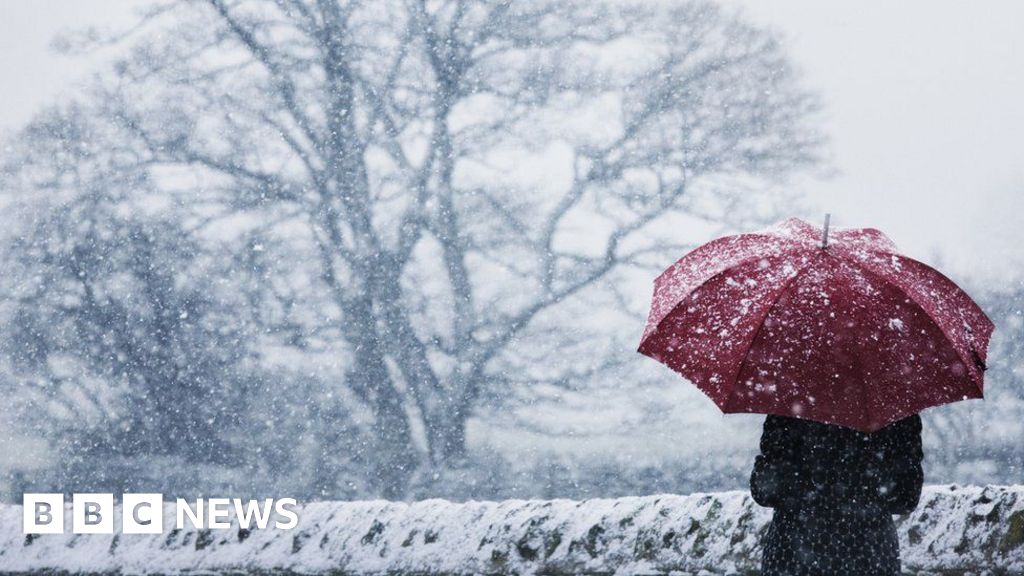
Yellow health alerts have been issued by the UK Health Security Agency (UKHSA) for the north west and north east regions of England, signalling that the cold weather poses a risk to vulnerable individuals. These alerts are scheduled to remain in effect until 18:00 GMT on Friday, January 30th. The weather alert service, a collaborative effort between the UKHSA and the Met Office, encompasses England and operates year-round, issuing cold health alerts between November 1st and March 30th, and heat health alerts from June 1st to September 30th. Beyond public advisories, this system provides crucial guidance directly to NHS England, government bodies, and healthcare professionals during periods of adverse weather. The alerts are meticulously categorised by severity, designed to mitigate illness and mortality during extreme temperature events.
The alert levels are determined by Met Office forecasts and data, with four distinct tiers ranging from green (least severe) to red (most severe). A Green alert represents the normal operational level, where general advice is disseminated on how individuals can prepare for potential temperature fluctuations. Yellow alerts are activated during periods of hot or cold weather that are anticipated to impact primarily those who are particularly vulnerable, such as the elderly or individuals with pre-existing health conditions. Amber alerts are issued when the adverse weather conditions could potentially place the entire population at risk, potentially leading to increased demand on GPs and ambulance services, and are often accompanied by likely travel disruptions. The most severe designation, a Red alert, is reserved for situations where hot or cold weather poses a significant threat to life, even for healthy individuals, and could lead to the failure of critical national infrastructure, including power outages or the closure of transportation routes.
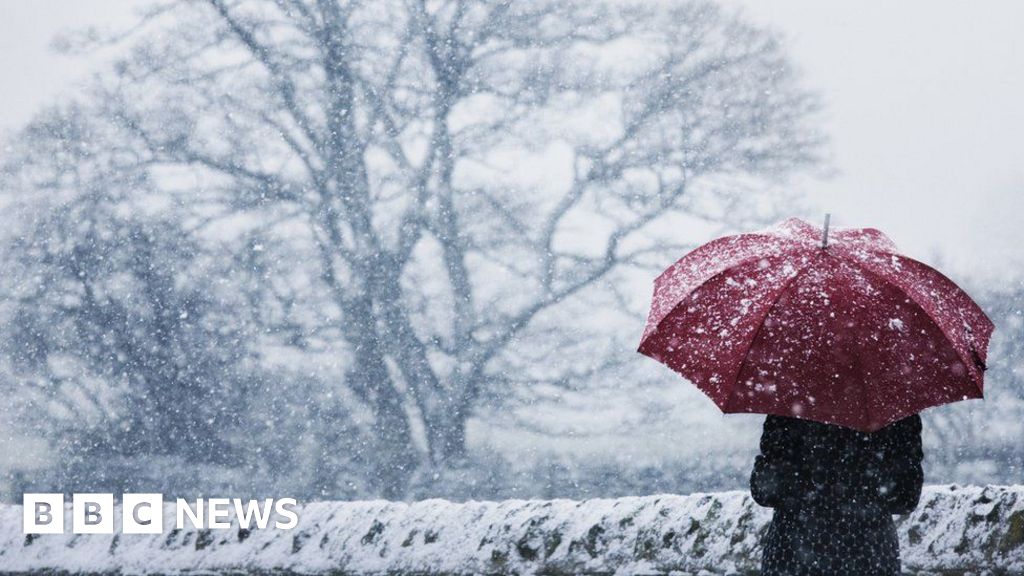
Cold weather can have a profound impact on the human body. During winter months, the spread of influenza and other respiratory illnesses, such as colds and sore throats, is exacerbated. Pneumonia, an inflammation of the lungs often caused by infection, is also more prevalent following periods of cold weather. Furthermore, cases of norovirus, commonly known as the winter vomiting bug, tend to increase. To illustrate the physiological effects of cold, presenter James Gallagher participated in an experiment where the air temperature in a room was reduced from 21°C to 10°C. Over the 30-minute duration, his blood flow to the brain decreased, his blood pressure and heart rate elevated, the temperature of his extremities (arms, legs, and head) dropped significantly, and his ability to complete a series of puzzles was markedly impaired.
Professor Bailey highlights that 18°C is considered a critical threshold for the human body; below this temperature, the body expends considerable energy to maintain its core temperature. This increased strain on the cardiovascular system is a contributing factor to the higher incidence of heart attacks and strokes observed during winter months. For individuals who find it challenging to maintain indoor temperatures at or above 18°C, Professor Bailey offers practical recommendations. These include wearing warm clothing such as gloves, thick socks, and a woolly hat, adopting a diet richer in carbohydrates to provide sustained energy, and actively moving around to generate more body heat. These proactive measures can help mitigate the adverse health effects associated with prolonged exposure to cold temperatures. The UKHSA and Met Office’s cold health alert system is a vital tool in safeguarding public health, providing timely warnings and actionable advice to protect the most vulnerable during periods of extreme weather. The tiered system ensures that responses are proportionate to the potential risks, from general preparedness advice to urgent public health interventions. Understanding these alerts empowers individuals and communities to take necessary precautions, thereby reducing the burden of cold-related illnesses and fatalities. The system’s collaborative nature, involving meteorological expertise and public health knowledge, underscores its importance in a climate where extreme weather events are becoming increasingly significant. The alerts are disseminated through various channels, including national and local media, government websites, and direct communications to healthcare providers, ensuring broad reach and accessibility of critical information. The ongoing monitoring of weather patterns and their potential health impacts is a continuous process, with the UKHSA and Met Office working in tandem to provide up-to-date assessments and alerts throughout the winter season. The system’s evolution reflects a growing understanding of the complex interplay between weather and health, aiming to build greater resilience within communities against the challenges posed by a changing climate.


 Nana Banana
 atisusanti
 Nakalama John
 George Anjay