Roy Suryo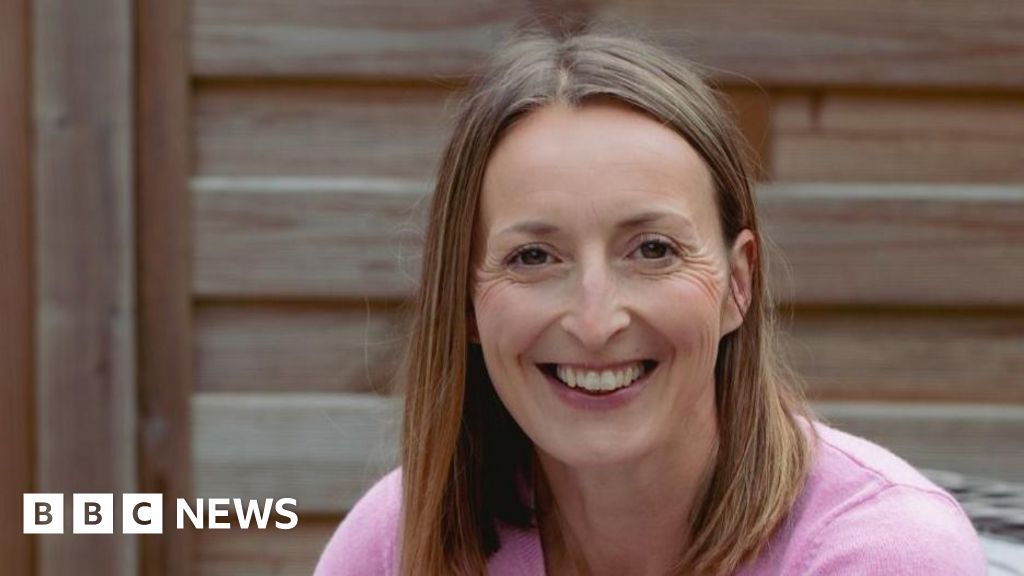
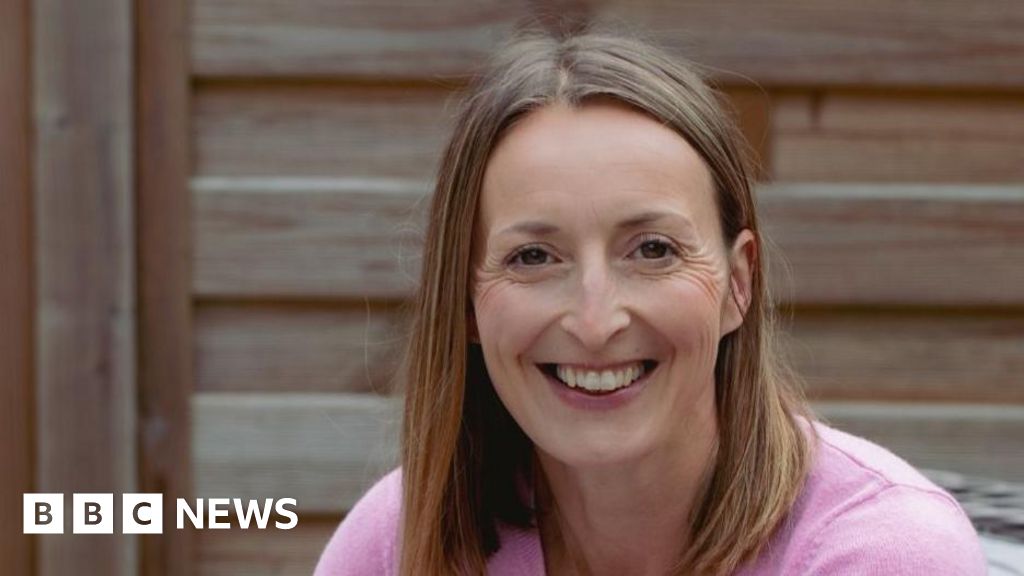
In a society that often champions relentless pursuit, the most profound act of courage can be the decision to finally let go. This is the journey of Caroline Stafford, a woman who, after years of yearning for a family, navigating the emotional minefield of fertility treatments, and enduring the profound heartbreak of a miscarriage on Christmas Day, discovered a path to peace not through continued striving, but through acceptance. Her story is a powerful testament to redefining happiness and building a fulfilling life, even when it diverges dramatically from initial dreams.
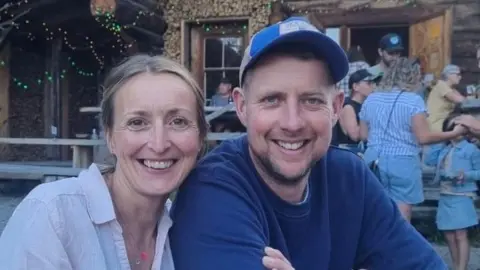
Caroline, alongside her husband Gareth, whom she met in school, had always assumed that parenthood would naturally follow. "We spend all our lives trying not to get pregnant," she reflects. "I just assumed as soon as I wasn’t trying not to, I would." This common assumption, however, masked a reality for Caroline and many others. In the UK, nearly one in five women remain childless, a statistic that encompasses a spectrum of reasons, from deliberate choice to the profound disappointment of an unfulfilled desire for a family.
The initial year of trying to conceive without success led Caroline and Gareth to seek medical advice. Their journey through the UK’s fertility system was soon followed by further rounds of treatment abroad. This period was an emotionally taxing cycle of anxious appointments, meticulously administered medications, and the constant sting of hope and despair. Compounding their personal struggle, Caroline witnessed friends and acquaintances effortlessly conceive and welcome children into their lives. "We were absolutely delighted for them, but the truth was, it was the worst thing to hear," she shared with Emma Barnett on BBC Radio 4’s "Ready to Talk."
The pervasive presence of parenthood in her social circle became a source of profound pain. Even a simple sight of a parent with a pram could trigger a sharp pang of envy, a gnawing feeling that began to erode her sense of self. "Your world view becomes smaller and often more negative," Caroline explained. "I started to not really like how I was feeling towards other people." Well-meaning friends often offered platitudes, suggesting that it would "happen in the end" or that ceasing to try was the key to conception.
Then, six years ago, in November, a twist of fate seemed to validate those suggestions. As Caroline and Gareth were adjusting to a life that accepted the possibility of a smaller family, having recently moved from a large farmhouse to a smaller cottage, Caroline discovered she was pregnant. The news was met with joy and shared with close friends and family as the festive season approached. However, this glimmer of hope was brutally extinguished on Christmas morning. While Gareth was attending to their dairy herd, Caroline suffered a devastating miscarriage. "It was the timing, the way it happened. It just felt so cruel," she recounted, her memories of that day now a blur of shock and grief.
This profound loss, however, marked a significant turning point for the couple. "It felt like we both knew it was time to begin to try to let go," Caroline stated. Yet, this act of letting go was not a passive surrender, but an active, arduous process. "I didn’t know at the point whether I was right. But we just began to tread forward," she said.
Caroline channeled her energy into her work, a venture she had begun during their second round of IVF. Her business, creating personalised stamped biscuits, initially elicited a bristled reaction when people referred to it as her "baby." Today, however, she finds solace in the metaphor. This business, which she has nurtured for a decade, now employs a team of 14, ships biscuits nationwide, and has even formed a partnership with a mail-order flower company. For Gareth, letting go also meant a significant career shift, and he is now embarking on a new role as a greenkeeper at his golf club.
While the topic of adoption was raised, Caroline explained that it was "not the path that we chose." She emphasized that adoption is a profound decision, not simply an alternative route to parenthood. The decade spent undergoing IVF had irrevocably altered Caroline’s relationship with her own body. "I was focusing on this one thing it couldn’t do," she admitted.
In a conscious effort to reclaim her physical and emotional well-being, Caroline turned to long-distance running. Instead of lamenting her body’s perceived failure, she began to celebrate its capabilities. She has since completed four half and full marathons, while Gareth has completed six. This physical challenge provided a powerful outlet and a tangible way to appreciate what her body could achieve.
"I love the life I’ve got," Caroline declared. "I don’t feel that direct sense of loss any more. It’s a different, a softer kind of sadness now." As time passes, she has found a greater sense of peace. Yet, this newfound contentment is occasionally tinged with guilt, a lingering doubt about whether her acceptance signifies a lack of desire or insufficient effort. She recognizes this as the persistent echo of the "don’t give up" narrative, a societal message that equates effort directly with outcome. "We’re taught growing up that effort equals results, but it’s often not how it works," she observed.
Caroline’s story offers a profound message of hope and resilience. It underscores the truth that life’s meaning and purpose can be found even when it unfolds in ways that are drastically different from our initial expectations. Her journey from the depths of despair to a place of acceptance and joy serves as a powerful reminder that true fulfillment can be cultivated through embracing the life we have, rather than relentlessly pursuing the one we once envisioned.
If you, or someone you know, have been affected by pregnancy issues, please visit BBC Action Line to find information on organisations that can help. All episodes of Ready to Talk with Emma Barnett are available on BBC Sounds. New episodes drop every Friday.


 George Anjay
 Ramos Leo
 Nakalama John

 atisusanti