 George Anjay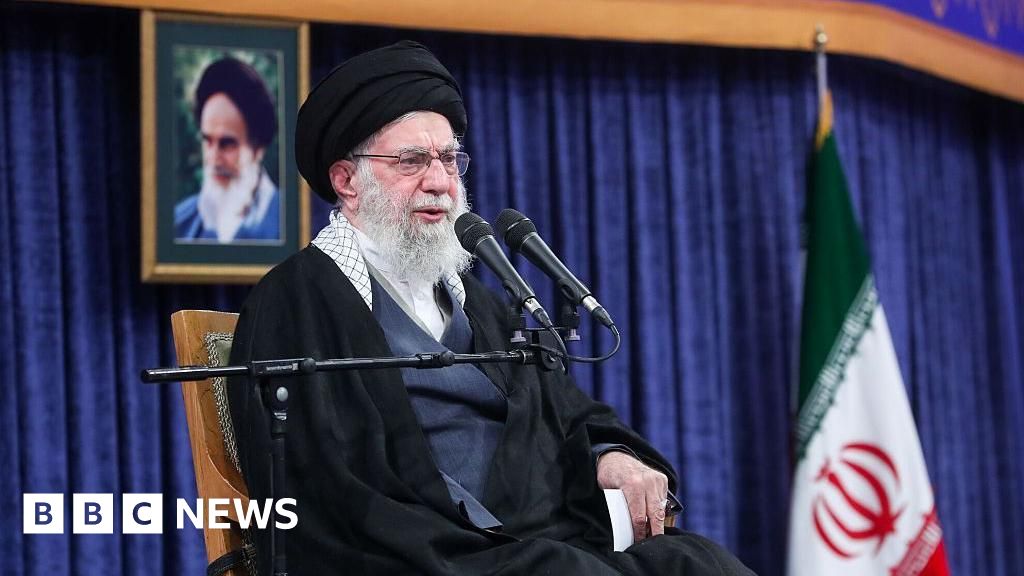
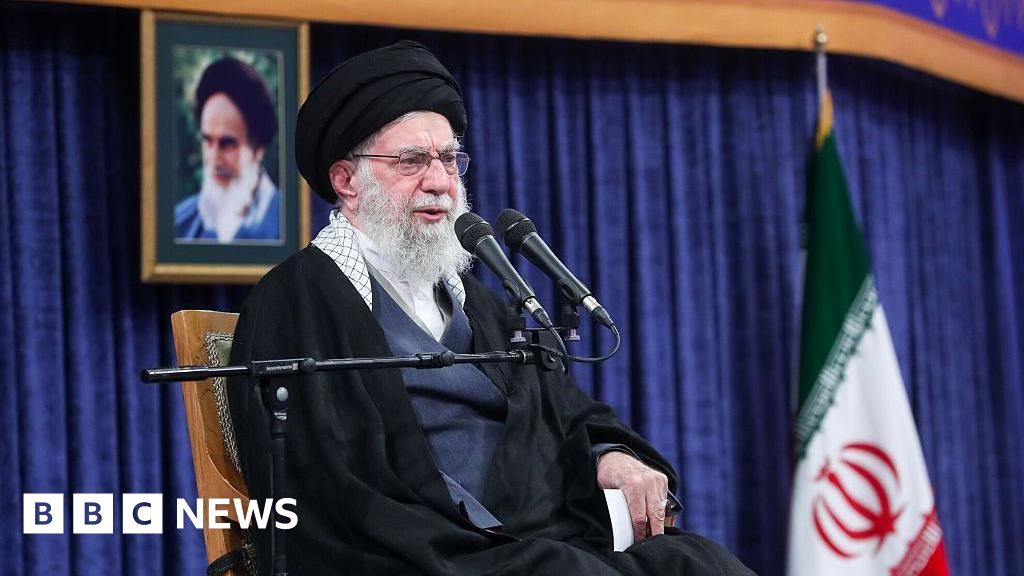
In a significant and unprecedented public acknowledgment, Iran’s Supreme Leader Ayatollah Ali Khamenei has confirmed that thousands of people have lost their lives during the recent widespread protests that have gripped the nation. This admission marks a stark shift from the official narrative that largely downplayed the severity of the crackdown and the scale of casualties. The Supreme Leader, speaking on Saturday, stated that "thousands had been killed, ‘some in an inhuman, savage manner’," directly attributing the deaths to the actions of the United States and its perceived allies.
The exact death toll from the unrest remains shrouded in a pervasive internet blackout, making independent verification extremely challenging. However, according to data compiled by the US-based Iranian Human Rights Activists News Agency (HRANA), the number of fatalities has reached a staggering 3,090. This figure is considered a conservative estimate by many activist groups, who believe the actual number of dead could be considerably higher. The sustained and near-total shutdown of internet and communication services across Iran has severely hampered the flow of information, leaving the international community struggling to piece together the full extent of the human cost.
Ayatollah Khamenei’s remarks, as reported by Iranian state media, directly implicated the United States and Israel in the bloodshed. "Those linked to Israel and the US caused massive damage and killed several thousand," he declared, further asserting that "We consider the US president criminal for the casualties, damages and slander he inflicted on the Iranian nation." These accusations come amidst a backdrop of escalating tensions between Iran and the United States, with US President Donald Trump having previously urged Iranian demonstrators to "keep protesting" and issuing thinly veiled threats of military intervention should security forces continue to use lethal force against them.
The protests, which initially ignited on December 28th over mounting economic grievances, have rapidly evolved into a potent challenge to the very foundations of the Islamic Republic, with demonstrators increasingly calling for an end to the rule of Iran’s supreme leader. The Iranian government has consistently characterized these demonstrations as "riots" orchestrated and fueled by external adversaries seeking to destabilize the nation.
Evidence gathered by both BBC Persian and BBC Verify, including authenticated videos of security forces firing upon protesters, corroborates the accounts of excessive and deadly force being used to quell dissent. The widespread internet disruption, which has seen overall connectivity plummet to approximately 2% of ordinary levels, according to cyber monitor NetBlocks, has compounded the difficulty of reporting on the ground. While reports of widespread unrest have diminished in recent days, the continued restriction of digital communication means that the true situation on the ground remains largely obscure. A resident of Shiraz, in southwestern Iran, speaking to BBC Persian, described a tense but outwardly calm atmosphere: "security forces are still patrolling on motorbikes to keep the situation under control, but overall things have gone back to normal." However, this sentiment of enforced normalcy belies the deep-seated discontent and the heavy-handed response that has characterized the government’s reaction to the protests.
During his Saturday address, Khamenei reiterated his condemnation of President Trump, labeling him a "criminal" and demanding that the United States be "held accountable" for the recent turmoil. He further propagated a narrative on social media, stating that "America’s goal is to swallow Iran," framing the unrest as part of a broader foreign plot against the nation. The White House has yet to issue a direct response to Khamenei’s latest pronouncements, though the US State Department had previously stated on Saturday that it had "heard reports that the Islamic Republic is preparing options to target American bases." The department issued a stern warning, asserting that Iran would be met with "a very, very powerful force" should it initiate any such attack, and cautioned Tehran against engaging in "games with President Trump."
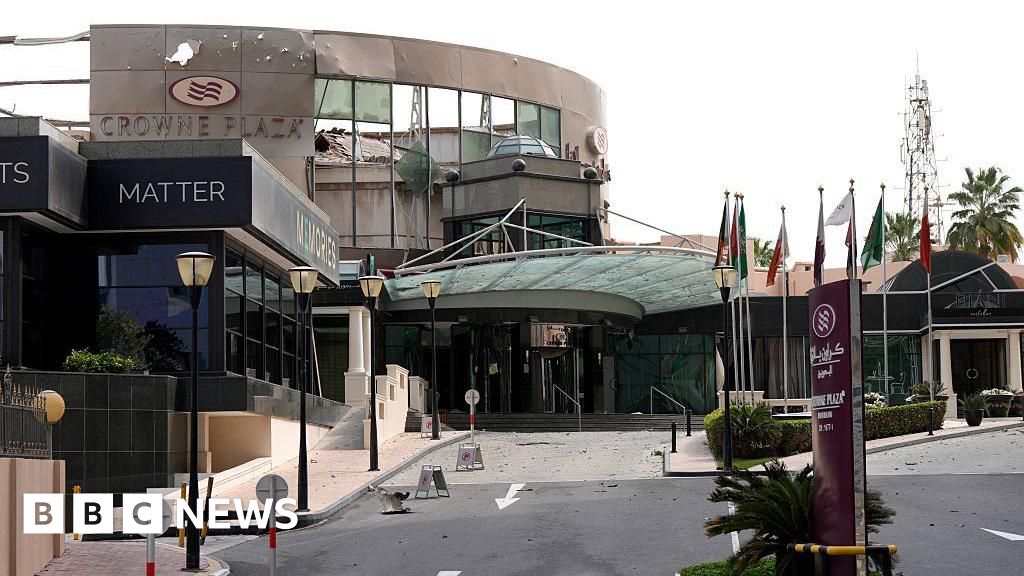
This exchange underscores the precarious geopolitical climate surrounding Iran. President Trump’s earlier comments on Wednesday, where he stated he had been informed that "the killing in Iran has stopped," while simultaneously not ruling out military action, added another layer of uncertainty to the situation. These remarks coincided with a precautionary partial withdrawal of personnel by both the United States and the United Kingdom from the Al-Udeid air base in Qatar, a move officials described to CBS, the BBC’s US partner, as a "precautionary measure." The reduction in personnel at the base, while officially framed as a safety precaution, has been interpreted by some as a signal of heightened readiness or concern regarding potential escalations in the region.
The Supreme Leader’s acknowledgment of thousands of deaths represents a pivotal moment, shifting the discourse from outright denial to a qualified admission, albeit one framed through the lens of external blame. This admission, however, does little to alleviate the concerns of human rights organizations and international observers who continue to call for independent investigations into the crackdown and accountability for those responsible. The ongoing suppression of information and the persistent internet restrictions in Iran leave a chilling legacy, where the full truth of the recent protests and their devastating consequences remains largely concealed from the world. The government’s narrative of external manipulation, while vociferously promoted by Khamenei, struggles to account for the widespread and spontaneous nature of the demonstrations, which were fueled by deep-seated economic hardships and a profound desire for political change. The coming days and weeks will likely reveal the extent to which this forced calm is a temporary reprieve or a sign of a more permanent suppression of dissent, all while the specter of international confrontation looms large.

 Ramos Leo
 Nakalama John