George Anjay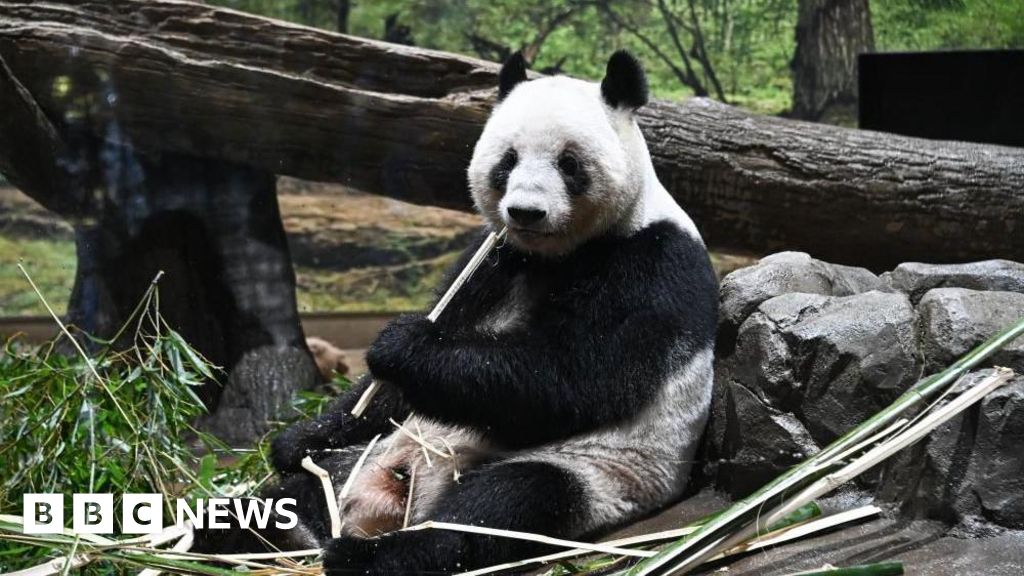
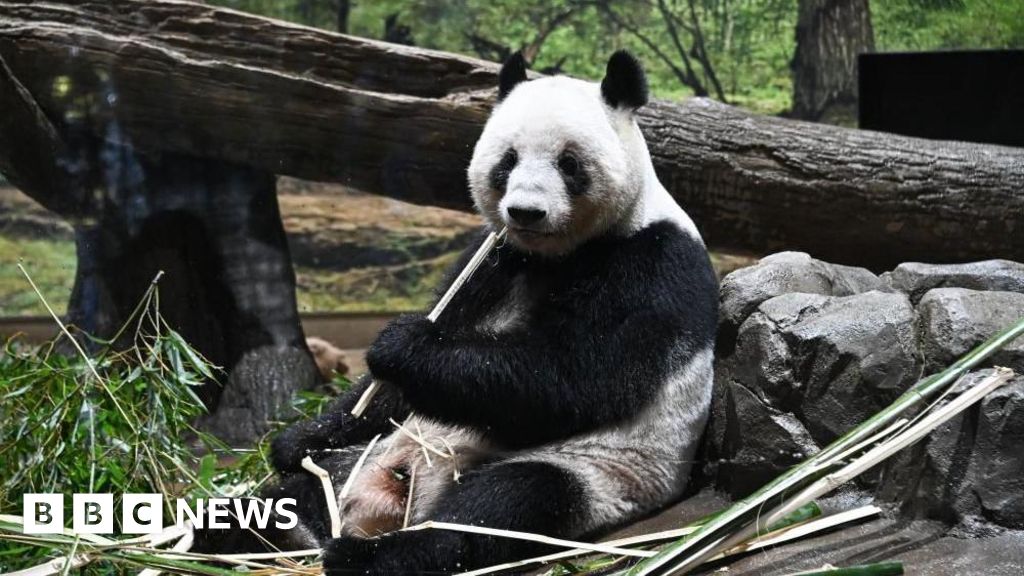
Tearful goodbyes marked the end of an era at Tokyo’s Ueno Zoo on Sunday as Japan’s last two giant pandas, twin cubs Xiao Xiao and Lei Lei, prepared for their return to China on Tuesday. The departure of the beloved bears coincides with a significant downturn in relations between Tokyo and Beijing, a geopolitical backdrop that adds a poignant layer to the farewell. Thousands of devoted fans, many braving long queues that stretched up to three-and-a-half hours, flocked to the zoo for a final glimpse of the pandas, their faces etched with a mixture of nostalgia and sadness. This emotional send-off underscores the deep affection the Japanese public has developed for these gentle giants, who have become potent symbols of cross-cultural connection.
The return of Xiao Xiao and Lei Lei signifies a stark milestone: Japan will be without any giant pandas for the first time since 1972, the very year diplomatic ties between Japan and the People’s Republic of China were normalized. This symbolic void is amplified by the current geopolitical climate, where tensions have escalated following recent statements by Japanese Prime Minister Sanae Takaichi. Takaichi’s assertion that Tokyo would intervene militarily if China were to attack Taiwan has deeply angered Beijing, which views the self-governed island as an inalienable part of its territory and has not ruled out the use of force to achieve "reunification." This diplomatic friction has spilled over into tangible actions, with China recently tightening restrictions on exports of rare earth-related products to Japan, further exacerbating the already strained relationship.
Giant pandas have long served as more than just charismatic zoo attractions; they are integral to China’s sophisticated "panda diplomacy." Since the founding of the People’s Republic of China in 1949, pandas have been strategically deployed as gestures of goodwill, strengthening bonds with both allies and competitors on the global stage. This practice, deeply rooted in diplomatic strategy, allows China to project an image of generosity and cultural soft power. However, underlying this benevolent facade is a carefully maintained ownership: China retains ultimate ownership of all pandas loaned to foreign countries, including any cubs born abroad. In exchange for the privilege of hosting these national treasures, recipient nations typically pay an annual fee, often substantial, estimated to be around $1 million (£790,000) per pair.
The Ueno Zoo’s farewell event was a testament to the pandas’ immense popularity. According to Tokyo’s metropolitan government, an overwhelming 108,000 people registered their interest in securing one of the limited 4,400 available slots for a final viewing. The sheer volume of demand highlights the deep emotional connection the public feels towards Xiao Xiao and Lei Lei. For many, the pandas have been a constant presence, a source of joy and fascination throughout their lives. "I have been bringing my son here since he was a baby, so I hope it becomes a good memory for him. I’m glad we could come today to remember them," shared one woman, her voice tinged with emotion, reflecting the intergenerational appeal of the pandas.
The sentiment of witnessing a beloved family member depart was palpable among visitors. Another woman poignantly recalled the journey of watching the twin cubs grow. "Witnessing their growth, especially since they were so small, has been such a joy," she said, her words echoing the collective experience of many who have followed the pandas’ lives at the zoo. The emotional weight of the occasion was evident in the tear-streaked faces and heartfelt farewells captured by media outlets, painting a vivid picture of the profound impact these animals have had on the Japanese public.
Xiao Xiao and Lei Lei were born at the Ueno Zoo in 2021, offspring of Shin Shin and Ri Ri, a breeding pair on loan to Japan from China for research purposes. Their birth was met with widespread excitement, seen as a symbol of hope and a continuation of the cherished panda presence in Japan. The tradition of panda loans has often been linked to broader bilateral relations and trade agreements. For instance, the loan of two pandas to Edinburgh Zoo in Scotland in 2011 was negotiated alongside significant contracts for salmon meat, Land Rover vehicles, and energy technology to China, illustrating the symbiotic relationship between cultural exchange and economic interests.
In recent years, a significant number of pandas have been repatriated to China. Loan agreements typically span a decade, though extensions are frequently granted, reflecting the enduring appeal of these animals. However, the current geopolitical climate has cast a shadow over the prospects of future panda loans to Japan. The escalating diplomatic tensions, marked by increasingly hostile rhetoric and retaliatory actions, have created an environment where such exchanges are less likely. The recent tightening of restrictions on rare earth exports by China serves as a stark reminder of the economic leverage Beijing can wield in its geopolitical disputes.
The departure of Xiao Xiao and Lei Lei, therefore, is not merely the end of an exhibit; it is a potent symbol of shifting international dynamics. The return of these gentle ambassadors to their ancestral home underscores the complex interplay of cultural affection, diplomatic strategy, and geopolitical realities that shape the relationship between nations. As the twin pandas embark on their journey back to China, they leave behind a legacy of cherished memories and a poignant reminder of the delicate balance of international relations, where even the most beloved creatures can become entangled in the web of global politics. The absence of pandas in Japan will undoubtedly be felt, a quiet testament to the enduring power of these animals to capture hearts and minds, and a stark indicator of the growing distance between Tokyo and Beijing.



 Ramos Leo
 Nakalama John